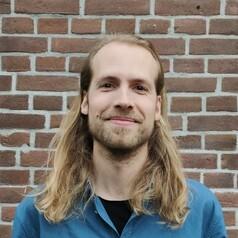
PhD candidate in Behavioural Ecology, Wageningen University Hugo Loning completed his Bachelor in Biology at the Universiteit Leiden in 2014 with a thesis on anthropogenic noise effects on blackbird song. Becoming more and more interested in animal ecology and bioacoustics, he continued his studies at Wageningen University. Here he conducted research on artificial light colour effects on bat roosting ecology at the Netherlands Institute of Ecology (NIOO-KNAW) and conducted a comparative study on acoustic adaptation in neotropical frog species in Panama in collaboration with the Vrije Universiteit Amsterdam and the Smithsonian Tropical Research Institute. After obtaining his Master degree in Biology in 2018, he continued as PhD at the Behavioural Ecology Group in Wageningen. Here he studies vocal communication in wild zebra finches. This is done under supervision of Marc Naguib (Wageningen University) and in collaboration with Simon Griffith (Macquarie University, Sydney).
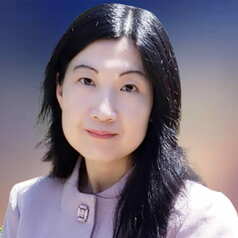
Assistant Professor of Sociology, USC Dornsife College of Letters, Arts and Sciences Hajar Yazdiha is an Assistant Professor of Sociology, faculty affiliate of the Equity Research Institute, a 2022-23 Ford Foundation Postdoctoral Fellow, and a William T. Grant Advanced Quantitative Critical Methods (AQCM) Scholar of the Institute in Critical Quantitative, Computational, and Mixed Methodologies (2020-23). Dr. Yazdiha received her Ph.D. in Sociology from the University of North Carolina, Chapel Hill and is a former Turpanjian Postdoctoral Fellow of the Chair in Civil Society and Social Change. Dr. Yazdiha's research examines the mechanisms underlying the politics of inclusion and exclusion as they shape intergroup boundaries, ethno-racial identities, and intergroup relations. This work crosses subfields of race and ethnicity, migration, social movements, culture, and law using mixed methods including interview, survey, historical, and computational text analysis. Her book project is forthcoming in May 2023 with Princeton University Press titled, "The Struggle for the People’s King: How Politics Transforms the Memory of the Civil Rights Movement." The book examines how a wide range of rivaling social movements across the political spectrum – from the Muslim Rights Movement to the Nativist Movement - deploy competing interpretations of the Civil Rights Movement to make claims around national identity and inclusion. Comparing how rival movements constituted by minority and majority groups with a range of identities — racial, gender, sexuality, religious, moral, political — battle over collective memory, the book documents how political action becomes directed toward divergent imagined futures. In other research projects, Dr. Yazdiha investigates these questions through three central lines of inquiry. A first strand of research explores how social exclusion is produced in macro-structures like laws, policies, and media. A second strand of research explores how and when groups develop perceptions of ‘groupness’ and collective identity in relation to these broader structures. A third strand of research investigates the collective behaviors that result from perceptions of groupness and their outcomes. This research provides new insights into the relationship between macro-level institutional structures, meso-level group processes of collective identity formation and collective behavior, and micro-level perceptions, emotions, and mental health. This body of research works to expose the covert consequences of institutional practices to show how systems of inequality are reproduced and examine how everyday actors develop strategies to resist, contest, and create social change.
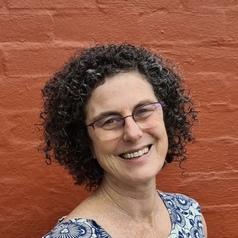
Assistant Professor of Molecular Engineering, University of Chicago Pritzker School of Molecular Engineering Specialized in tissue engineering and stem cell biology, the Joyce Chen Lab applies technical advances (e.g. human pluripotent stem cell-based modeling, organotypic tissue engineering and single cell analysis) to pursue long-standing questions in cancer research, stem cell biology and regenerative medicine. Our current main focus is to understand how cancers initiate and progress using various stages of human cells derived from pluripotent or adult stem cells, and design strategies to diagnose, categorize and treat the diseases more effectively. Another line of our work is to directly model and study human tissues or diseases “in a dish”, by in vivo molecule-mediated humanized mouse models, ex vivo organotypic re-cellularization or in vitro microfabrication. The Chen group’s research interest is to integrate stem cell-based disease modeling, regenerative technologies, and single cell analysis to study organ damage repair, regenerative medicine, cancer, and other genetic diseases.
Senior Lecturer in English, Literacy and Language Education, University of New England Dr Helen Harper lectures in the area of primary English curriculum at the University of New England. She has worked as a mentor in literacy education, as a linguist in remote Indigenous communities, and as an EAL/D teacher. As a researcher she has also participated in multi-disciplinary teams investigating literacy interventions in remote schools, and the inter-relationships between education and health. Current research interests include teaching approaches that benefit marginalised students, including those with high levels of socio-economic disadvantage, Indigenous students and English language learners from refugee backgrounds.
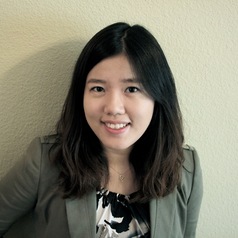
PhD student, University of Texas at Austin Hae Yeon Lee is a PhD student studying adolescent development at the University of Texas at Austin, USA. Her research examines individual and environmental factors that contribute to social stress during adolescence. With field experiment and intervention approaches, her research also aims to identify effective psychological means to alleviate adolescent stress.
Professor of Cinema Studies, New York University Founding Director, Moving Image Archiving & Preservation MA Program; Professor Emeritus, UCLA School of Education & Information Studies