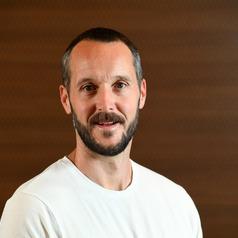
Chair professor of Clinical Integrative Physiology, Karolinska Institutet Juleen R. Zierath is presently Professor of Clinical Integrative Physiology and Head of the Section of Integrative Physiology at the Department of Molecular Medicine and Surgery and the Department of Physiology and Pharmacology at Karolinska lnstitutet. She is also appointed Professor of Physiology at the University of Copenhagen, where she is Executive Director at the Novo Nordisk Foundation Center for Basic Metabolic Research. Zierath’s research has provided evidence for the physiological regulation of insulin signaling pathways in skeletal muscle, revealing key steps that are impaired in diabetic patients. As an exercise physiologist, she has a long-standing interest in the health–promoting benefits of physical exercise. The ultimate goal of her work is to identify and validate molecular candidates to prevent or treat insulin resistance in type 2 diabetes. Improving insulin sensitivity should alleviate diabetic complications and enrich the quality of life for the diabetic patient. Zierath is past president of the European Association for the Study of Diabetes and the European Foundation for the Study of Diabetes. She is a member of the Royal Swedish Academy of Sciences and the Nobel Assembly. She was chair of the Nobel Committee at Karolinska lnstitutet between 2013 and 2015 and is currently an adjunct member of this committee.
Research Associate Professor of Epidemiology, University of Michigan Dr. Faul’s scholarly interests are at the intersection of epidemiology, biodemography, and aging. She is currently collaborating on a grant to identify gene-by-environment interactions and their influence on later life cognitive decline and is co-leading a study to characterize disparities in Alzheimer’s disease risk through analysis of polygenic risk and other epidemiologic factors. She is a co-investigator on the Health and Retirement Study and Harmonized Cognitive Assessment Protocol and has led the development of a workshop to train social scientists on the use of genomic data.
Postdoctoral Research Fellow, Venom Systems Lab, University of Galway My background include working with reptiles and arthropods, mostly venomous species. My PhD focused on a holistic approach to determine the potential medical significance and invasiveness of the noble false widow spider Steatoda nobilis. My current research is investigating the venom compositions of medically important scorpions in Morocco.
Chair professor, Cardiff University I am a Professor and Deputy Director of Population Health Trials in the Centre for Trials Research and DECIPHer (Centre for Development, Evaluation, Complexity and Implementation in Public Health Improvement) in Cardiff University, and have an honorary contract at the University of Bristol. The focus of my research is to understand how social, psychological, biological, behavioural and genetic factors from across the life course, influence behaviours which effect health and chronic diseases of major public health importance: cardiovascular disease and mental illness. The ultimate aim of this body of research is disease prevention.
Ph.D. Candidate in Social Ecology, University of California, Irvine Maya Hernandez is a interdisciplinary doctoral candidate at UC Irvine with a research focus on understanding the risks and affordances of social technologies on adolescent development and mental health and an emphasis on historically marginalized populations. Her experiences span across developmental science, clinical psychology, public health, and informatics. She leverages quantitative, qualitative, and youth participatory action research approaches with multimodal data collection and analytic strategies.
Post-doctoral Research Associate, University of Sydney Dr James Smallcombe is a post-doctoral research fellow in Heat and Health Research Incubator in the Faculty of Medicine and Health at The University of Sydney. James leads several research projects aimed at increasing human resilience to extreme heat events. James’ main expertise is in paediatric thermoregulation and protecting vulnerable populations against the negative impacts of heat stress during day-to-day activities.