Research Fellow: Centre for Medicine Use and Safety, Monash University Janet Sluggett is a Research Fellow at the Centre for Medicine Use and Safety, in the Faculty of Pharmacy and Pharmaceutical Sciences at Monash University. Janet is also a registered pharmacist. Janet's research interests include quality use of medicines, pharmacoepidemiology, quality improvement and cerebrovascular disease.
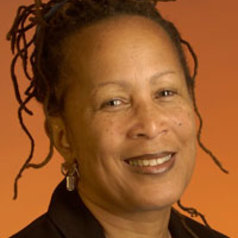
Professor of Sociology and African American & African Studies, Michigan State University Jualynne Dodson is Professor in the Department of Sociology and the Graduate Program in African American & African Studies at Michigan State University and the founding Director of the African Atlantic Research Team. She earned the PhD in Sociology from the University of California, Berkeley with a specialization in religion. Her research agenda focuses on religion and culture of African descendants in the Americas. She has written several articles and books on such topics as Women and Religion, Cuba’s Distinct Religions, the African Diaspora and Religion, Mentoring Racial Ethnic Students, Qualitative Research Methods and the African Diaspora, and many others. Among graduate courses Dodson has taught are “Structural Inequalities: Globalization and the African Diaspora”, “Religion, Culture, and Racial Identity”, and “Cross-Cultural Qualitative Research Methods”.
Lecturer in Biomedical Sciences, Cardiff Metropolitan University Teaching I teach on the MSc in Biomedical Sciences course from data analysis to medical biochemistry. I also teach on the BMS BSc course. Research I consider my research background as cell biologist and biochemist, with my research interests centering on exploring the potential of extracellular vesicles (EVs), particularly exosomes, as a possible source of biomarkers for disease. Exosomes are nanometre sized vesicles formed in the endocytic pathway within multivesicular bodies (MVBs). Upon fusion of the MVB with the cell membrane the exosomes contained within are released into the extracellular environment. These exosomes contain proteins, mRNA, miRNA and DNA from the secreting cell and are often enriched with proteins associated with disease, inflammation, and/or cellular stress. This makes them a potential source of multiple biomarkers for diseases, which can be obtained by minimally invasive means (from biofluids such as plasma and urine). Exosomes as biomarkers for disease (2006-2010; 2013-present) My most recent work has involved developing methods for the isolation of EVs from biological fluids and standardising their analysis for quality assurance. Once the isolation methodologies were optimised the proteome of these biofluid-derived EVs (plasma, urine and cerebrospinal fluid) were examined using a novel aptamer based protein arrays and analysed in silico through the use of the statistics package R. These methodologies have been used in the context of prostate cancer and multiple sclerosis biomarker discovery pilot studies. These two projects have shown the potential of both novel isolation methods for exosomes and protein analysis have the potential to identify novel disease biomarkers in follow-up studies. Immunology Research (2011-2013) Previous research has looked at the phenotype of peripheral blood mononuclear cells and plasma pro-inflammatory cytokines with respect to the acute phase response (APR) of osteoporosis patients and breast cancer patients undergoing aminobisphosphonate (nBP) treatment. We identified that peripheral γδ T cells and Monocytes became rapidly activated and ultimately determines the clinical severity of the APR in nBP naïve osteoporosis patients. The findings of this study may have diagnostic and prognostic implications for patients with and without malignancy as well as relevance for Vγ9/Vδ2 T-cell based immunotherapy. We also undertook a comprehensive meta-analysis of 15 randomized clinical trials patients on adjuvant therapy for breast cancer with zoledronate, identifying a significant overall survival benefit with zoledronate treatment. These new findings supported the call for zoledronate to be considered as a new standard of care in adjuvant breast cancer therapy.
Senior Lecturer in International Business and Economic Geography, University of Liverpool Dr. Jennifer Johns’ research interests are primarily concerned with network approaches to economic development and have two interrelated strands: industrial agglomeration local economic development, and geographies of innovation and entrepreneurship. Previous research projects include creative industries in the North West, temporary staffing markets in Japan, Sweden, Australia and the UK, and the global production networks of the video games industry. Primary research has been conducted in a wide range of international contexts. Her current research projects include innovation and entrepreneurship in collaborative spaces in Manchester, Tokyo and Barcelona and research on cities. Jennifer trained as an economic geographer before moving to management. She works on research issues of inter-disciplinary interest including globalisation, the agglomeration of economic activities, entrepreneurship and innovation and global trade and production networks.
Scientia Professor and Director of the Andrew & Renata Kaldor Centre for International Refugee Law, UNSW Australia Jane McAdam is Scientia Professor of Law and the Founding Director of the Andrew & Renata Kaldor Centre for International Refugee Law at the University of New South Wales. She holds an Australian Research Council Future Fellowship, and is a non-resident Senior Fellow at The Brookings Institution in Washington DC and a Research Associate at the University of Oxford’s Refugee Studies Centre. Professor McAdam publishes widely in international refugee law and forced migration, with a particular focus on climate change and mobility. She serves on a number of international committees and has undertaken consultancies for UNHCR and various governments on issues relating to forced migration and international law.
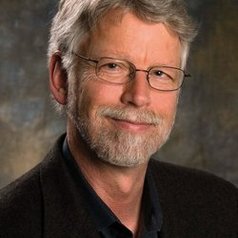
Professor of History, University of Washington James Gregory is a Professor of History and former Harry Bridges Chair of Labor Studies at the University of Washington. His research and teaching center on these aspects of 20th century United States history: (1) labor history, particularly the history of American radicalism; (2) regionalism, both the West and the South; (3) race and civil rights history; (4) migration, especially inside the United States. His prize-winning books include "The Southern Diaspora: How The Great Migrations of Black and White Southerners Transformed America" and "American Exodus: The Dust Bowl Migration and Okie Culture in California" His current work explores the political geography of the American Left and includes the online Mapping American Social Movements project http://depts.washington.edu/moves/ In addition, he is active in the field of digital and public history, directing a set of online projects focused on the labor and civil rights history of the Pacific Northwest. http://depts.washington.edu/labhist/ He currently serves as president of the Labor and Working Class History Association.