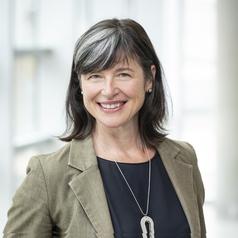
Associate Professor in Optometry and Vision Sciences, The University of Melbourne Laura Downie is an Associate Professor and Dame Kate Campbell Fellow for research excellence in the Department of Optometry and Vision Sciences, in the Faculty of Medicine, Dentistry and Health Sciences, at the University of Melbourne. She is an academic clinician scientist and practising optometrist, whose achievements span research, education, engagement and leadership. She heads the ‘Anterior Eye, Clinical Trials and Research Translation Unit’, comprising 14 staff and research higher degree students. She is Director of the inaugural Melbourne Cochrane Centre for Evidence-Based Vision Care, one of nine such centres globally recognised for excellence in leading the translation of high-quality research evidence into eye care practice. Laura’s research has a strong translational focus, combining laboratory, clinical and implementation science as a foundation for improving outcomes for patients with eye disease. In 2018, she was recognised by Optometry Australia as the youngest of 32 “female luminaries” to have pioneered optometric research, and has received multiple national and international awards for research excellence.
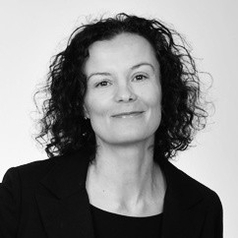
Associate Professor, Telfer School of Management, L’Université d’Ottawa/University of Ottawa I received a Ph.D. in Information Systems from the University of Toronto's Faculty of Information. I also hold a Master's degree in Information Technology (M.Sc.) from Téluq - Université du Québec à Montréal (UQAM). While my primary funding agency is NSERC, I also hold grants from CIHR and SSHRC. My research aims at improving how we design digitally enabled services like telehealth so that they can better address human needs. My research program focuses on three key aspects of the design of digitally enabled services: the need for improved models and modeling techniques supporting the analysis and design of these systems; the need to articulate their sociotechnical architectures; and the need to anchor the design of the information and communication technologies (ICTs) embedded in these systems both in relevant theories and in a deep understanding of multiple stakeholder needs. I investigate these aspects in the health care domain, with a particular interest on how they can support the transformation of health systems. I am a member of the LIFE Institute and of the Institut du Savoir Montfort.
Agronomy Consultant, B.C. Centre for Agritech Innovation, Simon Fraser University I hold a Ph.D. in life sciences specialized in plant breeding and a master's degree in biology from Paris University (France). I have worked as a scientific consultant for the biotechnology, agri-food and natural health products industries for more than 20 years. My consulting company provides technical expertise, research, grant writing and training services to Canadian SMEs. Over the years, I have developed strong ties with BC companies, government agencies and post-secondary institutions and made significant contributions towards innovative technology adoption, sustainable management practices, market competitiveness and productivity. Additionally, my knowledge of manufacturing and regulatory affairs further strengthens my ability to drive innovation and ensure compliance with industry standards. I just finished a one-year term position as the Director Innovation and Technology at Simon Fraser University. I had the opportunity to work closely with SFU’s Partnership Hub team and support its effort to launch the BC Centre for Agritech Innovation program by providing scientific expertise and connecting them with key stakeholders. From 2020 to 2022, I oversaw the creation of an Agritech undergraduate program at SFU.I am driven by a passion for addressing the environmental impact of climate change on agriculture, and I am committed to exploring diverse adaptation strategies and collaborating with researchers, companies, and farmers to promote a more sustainable agri-food system. Additionally, I am dedicated to support the integration of First Nations' traditional knowledge to enhance local food production in remote regions. My goal is to contribute positively to society, the environment, and sustainable food production.
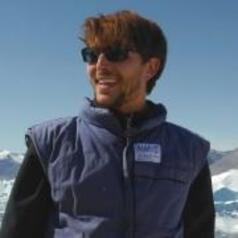
Associate Professor, Institute for Marine and Antarctic Studies, University of Tasmania Lennart T. Bach works at the Institute for Marine and Antarctic Studies (IMAS), University of Tasmania.
Entrepreneurial Fellow and Head, Battery Storage and Grid Integration Program, Australian National University Associate Professor Lachlan Blackhall is Entrepreneurial Fellow and Head, Battery Storage and Grid Integration Program at The Australian National University in Canberra, Australia. Lachlan holds a BE, BSc and a PhD in engineering, is a Senior Member of the Institute of Electrical and Electronics Engineers (IEEE) and a fellow of the Australian Academy of Technology and Engineering (ATSE).
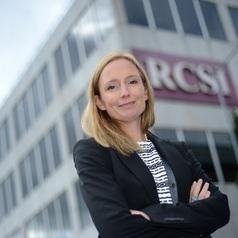
Professor, Department of Surgery, RCSI University of Medicine and Health Sciences Professor Leonie Young leads the Endocrine Oncology Research Group based at York House in the Royal college of Surgeons in Ireland. Prof. Young graduated from Trinity College Dublin and completed her PhD training at University College Dublin in 1997 and her research is focused on uncovering networks involved in SRC-mediated resistance in breast cancer to both tamoxifen and aromatase inhibitors. In doing so, these investigations will identify markers that predict these outcomes and importantly develop new therapeutic targets. The research focuses on SRC-1 and takes a high-level view to harness data from high throughput experimental methods, molecular studies, functional models and translational studies. Leonie's group capitalises on established strengths in translational research, in particular making use of primary breast cell cultures derived from patient tumours and large clinical datasets. By modelling the mechanism(s) of resistance associated with SRC-1, this research has defined new predictive markers and therapeutic targets suitable for commercial development and clinical trial interventions that could improve patient outcomes.