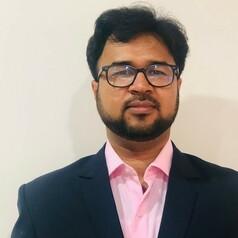
Senior Lecturer in Finance, RMIT University Dr. Md Safiullah, CPA also known as Safi, serves as a Senior Lecturer in Finance at RMIT University, Australia. Safi's research work focuses on the fields of corporate finance, Islamic banking, sustainable finance and corporate governance. His original research appears in top-ranked peer-reviewed outlets, including the Journal of Corporate Finance and Energy Economics. He has published 18 papers, including 4A* and 13A, in ABDC quality-ranked journals, 1 media article in The Conversation after completing his Ph.D. from the University of Newcastle in mid-2018. He received over $120K national and international research grants. Safi's research expertise is recognized by being invited to speak at academic and non-academic events in Indonesia, Bangladesh, Oman, and the UK. Before joining RMIT, he served as a Lecturer in Finance at La Trobe University and an Assistant Professor in Banking at the University of Dhaka. He taught multidisciplinary courses (Frontiers in FinTech and Innovations; Money and Debt Markets; financial institutions risk management, financial statement analysis, CPA-financial risk management and financial management) and has received several teaching and research awards at La Trobe University and RMIT University. Safi has considerable engagement experience and has been the coordinator of the Finance external research seminar (2021–2022) and internal research seminar (2020), Course Adviser-International Business (2020), Stage 2 academic progress officer (2019), Course Adviser-Banking specialisation (2022), and member of the Academic Board at La Trobe University. He serves as a member of the Workload Allocation Committee (WAC), and Education Committee (LEAP) at the College of Business and Law, RMIT University. He also serves as an associate editor, a special issue guest editor, an editorial advisory board member, and a reviewer of several ABDC-listed journals. Dr. Safi received his PhD in Finance from the University of Newcastle on a fully funded postgraduate research scholarship. He received MSc with Distinction from the Birkbeck, University of London as a recipient of prestigious Commonwealth Scholarship awarded by the government of United Kingdom. Safi completed FinTech Certificate course with 92% marks from Harvard University, USA. He also achieved Certificate as a Carbon Literate from the Nottingham Business School, UK. He is also a recipient of Dean’s Honour Award and Dean’s Merit Award in his MBA and Bachelor (Hons) degrees, respectively. Safi was the winner of 2017 3-Minute Thesis competition at the Newcastle Business School, University of Newcastle. Safi stood 2nd in HSC Exam in Bangladesh.
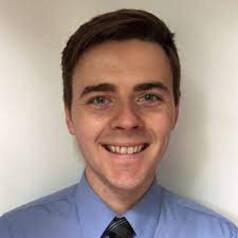
MD-Ph.D. Candidate in Molecular Pathology and Immunology, Vanderbilt University Michael grew up in the historic city of Williamsburg, Virginia and first dabbled in research at James Madison University where he analyzed the structure and function of mutated proteins implicated in human disease. After earning a B.S. in Biology and a minor in Biochemistry from JMU, Michael moved to the busy D.C. suburbs where he dove into the world of cancer research and immunotherapy at the National Institutes of Health as a postbaccalaureate research fellow. Michael matriculated to the Medical Scientist Training Program at Vanderbilt and to the lab of Dr. Mary Philip. In the future, Michael hopes to work in clinic to treat patients with cancer and operate a research lab to learn more about how we can harness our immune system to treat disease.
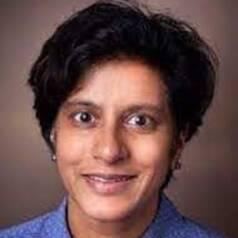
Assistant Professor of Medicine and Pathology, Vanderbilt University The immune system has enormous power to detect and eliminate pathogens; however, CD8 T cells specific for (mutated) tumor antigens found within solid tumors are often dysfunctional, allowing tumors to progress. Hallmarks of tumor-specific T cell (TST) dysfunction in mice and humans include the expression of inhibitory receptors (e.g. PD1, CTLA4) and loss of effector function. The clinical success of immune checkpoint blockade and adoptive T cell therapy in some cancer patients demonstrates the potential of TST to mediate anti-tumor responses; however, important challenges and questions remain, including how to predict which patients will respond to therapy and how to design new immunotherapies for those patients who do not respond. My research program utilizes clinically-relevant genetic cancer mouse models to understand the molecular and epigenetic regulatory mechanisms underlying TST dysfunction and design cutting-edge strategies to override TST dysfunction to improve cancer immunotherapy. Projects aim to (i) elucidate the mechanisms driving early TST dysfunction, (ii) determine how antigen chronicity drives dysfunction programming in TST, and (iii) design and test strategies, including epigenome editing, to reprogram dysfunctional TST for immunotherapy. We showed that even highly-functional memory T cells differentiate to a conserved dysfunctional chromatin state in tumors; thus, successful immunotherapy will require a multi-pronged strategy aimed at shifting dysfunctional TST out of the dysfunctional chromatin state and “bullet-proofing” these reprogrammed TST to prevent reversion to the dysfunctional state.
Associate Professor of Health Psychology, Te Herenga Waka — Victoria University of Wellington Dr Mary Breheny is an Associate Professor of Health Psychology at Victoria University of Wellington. Her research examines how the experiences people have over their lives shape their health in older age.
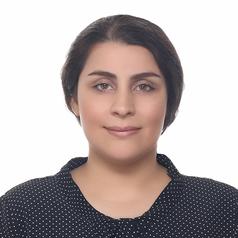
Postdoctoral Research Fellow, University of Technology Sydney Mona is a post-doctoral researcher at the University of Technology Sydney Business School. Her research covers sustainability, resilience, environmental finance, environmental policy, and the impacts of climate change on companies, industries and markets.
Professor of Practice in New Finance, Hague University of Applied Sciences Van der Linden is a Professor of Practice in New Finance at The Hague University of Applied Sciences and obtained his Ph.D. from Delft University of Technology in 2022. In his research, he developed design guidelines for the monetary and financial system in the digital age. Currently, his research focuses on central bank digital currencies (CBDCs), stablecoins, deposit banks, cryptocurrencies, financial instability, and the liberalization and re-regulation of banking.