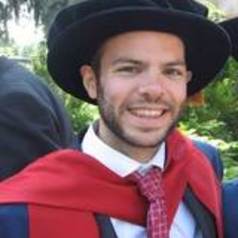
Climate Research Fellow with the Climate Futures Programme, University of Tasmania I'm a Climate Research Fellow at the University of Tasmania with the Climate Futures Programme
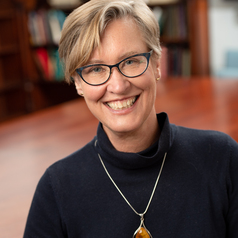
Professor of History, Brown University I am an historian of South Africa, of colonial Africa, of the environment, of animals, and of knowledge about the environment and animals. My research seeks out workings of power in obscure corners, in a quiet South African town, in scientific collaborations, in a mysterious and forgotten diplomatic initiative, in everyday lives of Africans living under European rule, and in interspecies relationships. In one sense, I am a traditional social historian: The workings of class, race, and gender have been central to all my research. In considering those categories, I have tried to find fresh insights by looking at the more-than-human and power/knowledge relationships. I've found microhistory and biography to provide an excellent way to frame these stories. Biography led me to an indepth study of the last-minutes negotations for an all-party election in South Africa in 1994. With my current project, a transnational history of African Grey Parrots, I return to environmental history. With an emphasis on relations between companion species, I will add species to groups that know each other, negotiate with each other, and exercise power over each other.
Associate Professor of Community Psychology, University of Maryland, Baltimore County Nkiru Nnawulezi (she/her) is deeply committed to improving social and material conditions for survivors of gender-based violence who experience structural marginalization and stigmatization, specifically survivors of color, survivors living with HIV, queer and trans* survivors, low-income survivors, survivors who are unhoused, survivors with addictions, and survivors with severe mental health conditions. Her research is grounded in intersectionality, systems, and empowerment theories and actualized through transformative participatory research methods. Transformative research methods are a set of practices that engage community members in the full research process with the aim to create change that transforms community conditions. Using these methods, she develops, tests, and evaluates multi-level interventions to improve the effectiveness of various housing programs across the domestic violence housing continuum: crisis shelters, transitional housing, rapid rehousing, and permanent supportive housing. She is primarily interested in how formal housing interventions can be designed to honor survivors' complexity, increase their power, and sustain their healing.
PhD Candidate, International Studies, RMIT University Natasha Karner is a PhD Candidate at RMIT University in Melbourne, Australia. Her research interests are in emerging technologies and global security. She is a current Fellow of the Cambridge Existential Risks Initiative (CERI).
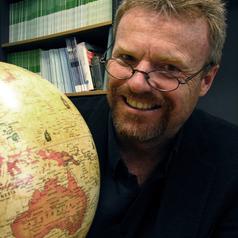
Professor, University of Tasmania Neil Holbrook is Professor of Ocean and Climate Dynamics in the Institute for Marine and Antarctic Studies at the University of Tasmania, Australia. His interests and expertise are in the ocean's role in climate, ocean and climate variability, extremes, and climate change. Over the past decade, Neil has contributed to advancing our understanding of marine heatwaves. Neil is an elected Fellow of the Australian Meteorological and Oceanographic Society. He is an investigator in the NESP Climate Systems Hub, and ARC Centres of Excellence for Climate Extremes and 21st Century Weather. He is recognised as a Clarivate highly cited researcher (2021-2023).
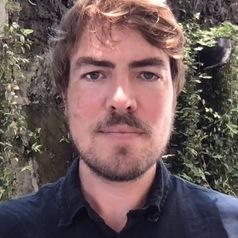
Honourary Lecturer, Department of History, UCL Nathaniel Morris is a historian of modern Mexico and Central America. He's particularly interested in Indigenous politics, rural rebellions, revolutionary movements, and drug production and trafficking. Before taking up his current post as an Associate Lecturer, he was a Leverhulme Early Career Research Fellow at UCL, where he carried out a three-year research project on the history of militias in Mexico. His current book project builds on this research by exploring the ties of history, memory, space and culture that link the armed ‘self defence’ forces active throughout the country today, to the popular paramilitary groups that helped to shape the Mexican Revolution of 1910-40. He has also written extensively about the roots of the modern Mexican drug trade, the contemporary cultural and political impacts of opium production and heroin trafficking on the Indigenous Náayari, Wixárika, O’dam and Mexicanero peoples of Mexico’s Gran Nayar region, and the participation of these same groups in the Mexican Revolution, which was the subject of his first book, Soldiers, Saints and Shamans (https://uapress.arizona.edu/book/soldiers-saints-and-shamans). You can find him on Twitter/X @MorrisInMexico. Learn more at www.nathanielmorris.co.uk