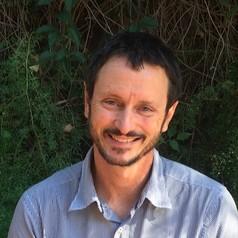
Lecturer, Computer Science, Loughborough University Shirin Dora is currently a Lecturer in Computer Science in the Department of Computer Science at Loughborough University. He completed his PhD from Nanyang Technological University in Singapore on the topic of developing biologically plausible learning approaches for spiking neural networks. During his PhD, he developed a keen interest in the mechanisms of perception and cognition in the brain. This led him to pursue a post-doctoral research in computational neuroscience at the cognitive and systems neuroscience group at the University of Amsterdam. In his postdoctoral research, he collaborated with experimentalists in building deep biologically plausible models of perception and multisensory integration in the brain. From October, 2019 to September, 2021, he was a Lecturer of Data Analytics in the Intelligent Systems Research Centre at Ulster University in United Kingdom.
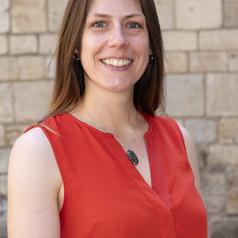
Advance Queensland Research Fellow, Griffith University Dr Shima Ziajahromi is an Advance Queensland Research Fellow and lecturer at Australian Rivers Institute (ARI), Griffith University where she completed her PhD on microplastics in wastewater treatment plants, and their toxic effects on aquatic organisms. Her research interests include understanding how microplastics negatively impact aquatic and terrestrial ecosystems with a particular emphasis on the development of novel approaches for the identification and quantification of microplastics. Shima has extensive expertise in the analysis of microplastics from various environmental matrices (water, wastewater, sludge/biosolid, sediment, soil, and air).
Assistant Professor, Haskayne School of Business, University of Calgary Sule Nur Kutlu is an assistant professor in the Business Technology Management Area of Haskayne School of Business, University of Calgary. She received her Ph.D. from the Department of Operations and Information Management of the School of Business, University of Connecticut. Her research focuses on economics of information systems and data privacy. Her current research interests include third-party information sharing and data protection regulations on online platforms.
Lecturer in Archaeology, University of York Steph is a specialist in the Mesolithic of Northern Europe, with a particular focus on hunter-gatherer mobility, and using lithic raw materials to trace the movement of communities. Steph completed her BA in Archaeology (2010), MA in Archaeology with Prehistory (2011), and AHRC funded PhD (2017) at Durham University where she developed an ever-increasing love for the Mesolithic of Scotland, and prehistoric occupation of coasts and islands. Post-PhD, Steph worked as a commercial archaeologist for Archaeological Services Durham University as both a field archaeologist and palaeoenvionmental specialist, before joining Newcastle University as a Lecturer in Prehistoric Archaeology (2018-2019). Steph joined York in 2019 as Associate Lecturer in Archaeology and was promoted to Lecturer in 2023. She maintains research interests in early prehistoric Northwest Europe with a particular focus on Scotland, as well as broader hunter-gatherer interactions in relation to changing climate. Steph is a stone tool specialist and has recently conducted analysis of Mesolithic assemblages from the UK and Denmark, as well as later prehistoric lithic material in Lebanon and Saudi Arabia. In 2023, Steph was part of an interdisciplinary team from the departments of Archaeology, Health Sciences, and Environment & Geography awarded a York Environment Sustainability Institute Discipline Hopping Fellowship for the project Craftwell. The Discipline Hopping programme was delivered via NERC funding, and the project aimed to investigate the connection between outdoor heritage crafting and mental health and wellbeing in the student population. Steph delivered the outdoor workshop component of the project, working with participants to create replicas of archaeological objects inspired by Stone Age beads or Anglo-Saxon pottery.
Associate Dean and Professor of Law, University of Wyoming Sam Kalen joined the University of Wyoming College of Law faculty in 2009, and he is the William T. Schwartz Distinguished Professor of Law and Associate Dean, as well as the founder and co-director of the School’s Center for Law and Energy Resources in the Rockies. Sam earned his B.A. from Clark University in Worcester, Mass., his J.D. from Washington University School of Law in St. Louis, and he spent a year studying legal history and constitutional thought in a PhD program at the University of Virginia. Before joining UW, Sam taught as a visitor or adjunct at a number of other law schools, he also served in the Solicitor’s Office at the Department of the Interior during the Clinton administration, and he practiced for many years with a Washington, D.C., law firm. Immediately after law school, he clerked at the Missouri Supreme Court. Sam is passionate about teaching and writing in a variety of areas that impact environmental, public lands and natural resources, energy, and administrative law. He spent years practicing in each of these areas, including working with Indigenous Peoples and Tribal Nations, and attempts to explore these areas in both the classroom and in his scholarship. He is the author and co-author of numerous law review articles, including one that was cited and quoted in a Supreme Court opinion. His most recent law review article appeared in Maryland Law Review, on "Public Land Management’s Future Place: Envisioning a Paradigm Shift" (Vol 82, page 240, 2023). He also is a co-author of the American Bar Association’s Endangered Species Basic Practice Series book (2nd edition), a co-author of Natural Resources Law and Policy (3rd ed. Foundation Press), and a co-author Energy Follies: Missteps, Fiascos, and Successes of America’s Energy Policy (Cambridge U. Press 2018).
Professor of Geography, Director - Remote Sensing Research Centre, Chair - Earth Observation Australia, The University of Queensland Stuart Phinn receives research funding from the Australian Government, Queensland, New South Wales and Victorian State Governments, and Google's Earth Engine Program