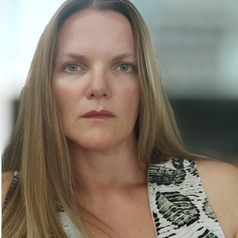
Doctoral Fellow, Constitutional Law, L’Université d’Ottawa/University of Ottawa Seána is a doctoral candidate at the Sutherland School of Law, University College Dublin, Ireland, researching in the areas of constitutional law and deliberative democracy. Her doctoral thesis, submitted in December 2023, focuses on the role of citizen deliberation in democratic processes, and examines the impact of the Irish Citizens’ Assembly on the landmark reform of Ireland’s abortion law. Seána is a recipient of the 2019 UCD Sutherland School of Law doctoral scholarship. She is a graduate of Trinity College, Dublin (LL.B) and the University of Toronto, Canada (LL.M), and held a visiting fellowship at Osgoode Hall Law School, York University, Toronto from 2022-2023. Prior to embarking on an academic career, Seána practised as a lawyer in a large international law firm in Dublin, specialising in public and administrative law. She is qualified as a solicitor in Ireland, England and Wales. Seána is currently a Fellow at the University of Ottawa Public Law Centre, where she will commence her postdoctoral fellowship this year.
Doctorante à l’Université Sorbonne Nouvelle, membre de la Chaire Unesco « Savoir Devenir à l'ère du développement numérique durable»., Université Sorbonne Nouvelle, Paris 3
Lecturer in Microbiology, Cardiff Metropolitan University The mainstay of my research is to investigate processes involved in the host-pathogen relationship as infection ensues. This includes characterisation of bacterial adhesions, transcriptional regulators, quorum sensing and virulence gene expression. I also use biofilm models to ascertain the effect of individual host environmental stimuli, such as iron restriction, on the developing microbial community and use in vitro models to determine the impact this might have during infection. A different branch of my research focuses on novel antimicrobials and their efficacy against healthcare associated pathogens. Part of these studies are concerned with identifying antimicrobial targets to determine a mode of action and facilitate most appropriate use within the clinical environment, with the aim of preventing the emergence of strains that might exhibit resistance. I have ongoing research collaborations with Dr. Kevin Purdy (University of Warwick), Dr Andrew Collins and Dr Michele Barbour (University of Bristol), and Prof Simon Andrews (Reading University).
Ph.D. Candidate in Biochemistry, University of South Carolina I am currently working on finding the biomarker(s) of a vascular disease using proteomics and finding the receptor(s) of a group of plant defense signals using chemoproteomics, along with analyzing a modified virus using the liquid chromatography and mass spectrometry.
Senior Research Specialist and Associate professor, Neurobiology, Karolinska Institutet I am research group leader and Docent (Associate Professor). I have defended my PhD at the University of Bologna in 2011 and did my postdoc at KI. I have been working within the neuroscience field in relation to Alzheimer’s Disease (AD) since my PhD and my work is based on investigating the mechanisms for risk factors for Alzheimer's Disease focusing on ApoE, cholesterol metabolism and oxysterols. I have extensive knowledge in the field of mouse behavior and mouse models of neurodegenerative disease and I am Facility Coordinator for the Animal Behavior Core Facility (ABCF) at KI. In addition, I work with different molecular biology techniques. Research My research is focused on understanding the biological mechanisms behind risk factors for neurodegenerative diseases like Alzheimer's Disease (AD), with a focus on sex-differences. Changes in brain cholesterol metabolism occurs in early stages of the disease and are considered important drivers of the neurodegenerative cascades in AD. AD risk factors such as hypercholesterolemia, hypertension, lifestyle, affect brain cholesterol metabolism. I study the role of cholesterol metabolites and transporters in the brain during neurodegenerative processes by using in vitro and in vivo models, as well as human samples. In addition, I am interested in the connection between cholesterol metabolism and sex hormones. Sex hormones, including estrogen and testosterone, originate from cholesterol and promote neuroprotective functions in the brain. Both cholesterol and sex hormones are shaped by genes and the environment (for example medications, diet), serving as potential preventive and therapeutic targets for AD. Another topic in the lab is multi-medication therapies and related sex-differences. We study the effects of different combinations of drugs commonly used in AD comorbidities using mouse models and human data from different clinical cohorts
Professor of Oceanography, Graduate School of Oceanography, University of Rhode Island Steven D’Hondt is a professor of oceanography at the University of Rhode Island’s Graduate School of Oceanography. He centers his research and teaching on understanding the interplay between the biosphere and the physical world. D’Hondt completed his Ph.D. in geological and geophysical sciences at Princeton University.