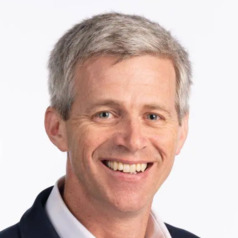
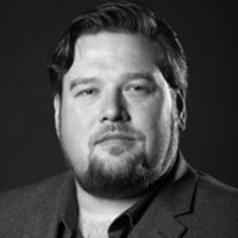
Executive Director of the Strategic Energy Institute, Georgia Institute of Technology Dr. Tim Lieuwen is the interim chair of the Daniel Guggenheim School of Aerospace Engineering, Regents’ Professor, holder of the David S. Lewis, Jr. Chair, and the executive director of the Strategic Energy Institute at Georgia Tech. His interests lie in the areas of clean energy and propulsion systems, energy policy, acoustics, fluid mechanics, and combustion. He works closely with industry and government, focusing particularly on fundamental problems that arise out of the development of clean combustion systems or utilization of alternative fuels. If you are a prospective graduate student and like making fire, making noise, and saving the planet --all at the same time-- these are all great problems to work on! Dr. Lieuwen is a member of the National Academy of Engineering, a Foreign Fellow of the Indian National Academy of Engineering, and a Fellow of four major societies. Other national awards include the ASME Westinghouse Gold Medal and AIAA Lawrence Pendray Award. He serves on governing or advisory boards of 3 DOE national labs (ORNL, PNNL, and NREL). He has authored or edited four combustion books, including the textbook Unsteady Combustor Physics, and more than 400 other publications. He has also received five patents, all licensed to industry, and founded and serves as CTO of, TurbineLogic, an analytics firm working in the energy industry. He is a member of the National Petroleum Counsel and is editor-in-chief of an American Institute of Aeronautics and Astronautics book series.
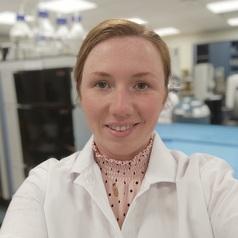
PhD Candidate, Biomolecular Sciences, Laurentian University Teresa is a PhD candidate in Biomolecular Sciences at Laurentian University with over a decade of research and teaching experience. Her research interests lie in elucidating the connections underlying biological complexity. When she's not in the lab, Teresa enjoys hiking and spending time with her husband and two young sons.
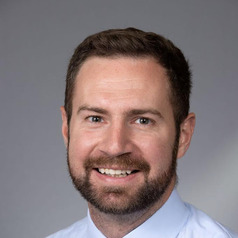
Assistant Professor of Health Behavior; School of Public Health, Texas A&M University Tyler Prochnow, Ph.D. is an Assistant Professor at Texas A&M University School of Public Health. His research interests include the social dynamics which drive health behavior. Tyler has research experience with social network analysis, systematic observation, intervention development, community health worker training, and implementation science
Assistant Professor of Dermatology, University of Colorado Anschutz Medical Campus My laboratory is dedicated to studying the regulation of the transcription factor p53. Mutations in p53 are found in more than 50% of human cancers, making this tumor suppressor the subject of extensive basic and preclinical research. Our studies focus on 3 main topics: 1- p53 in tumorigenesis: Through the utilization of mouse models of cancer, we to unravel the role of p53 mutations in driving tumorigenesis. By understanding the underlying mechanisms that initiate and promote skin cancers like squamous cell carcinomas and melanoma, we strive to enhance cancer therapies. 2- p53 and development: Our investigation involves studying mouse models that express elevated levels of p53, which exhibit developmental abnormalities, particularly lymphatic defects. By characterizing these mice phenotypically and molecularly, we aim to identify crucial factors contributing to the pathogenesis of associated diseases. Furthermore, we are exploring the potential of certain drugs in treating the debilitating disorder of lymphedema. 3- p53 and pigmentation: Our research focuses on the activation of the p53 pathway in skin stem cells with the goal of developing treatments for pigmentary disorders such as vitiligo and giant congenital nevi. We have identified a drug that targets the p53 pathway and shows promise in promoting melanocyte proliferation and repigmentation of depigmented vitiligo skin. We are currently analyzing the mode of action of this drug in preparation for future clinical trials. These research areas represent our ongoing efforts to deepen our understanding of the working of p53 and contribute to the advancement of cancer and lymphatic disease therapy.
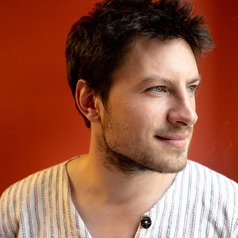
ethnographe et sociologue de l'endettement des milieux populaires, Cessma, Université Paris Cité Sociologue et ethnographe au sein du Cessma (Centre d'Etudes en Sciences Sociales sur les Mondes Africains, Américains et Asiatiques) et de l'Université Paris Cité (UPC). Timothée explore l'endettement des milieux populaires brésiliens à partir d'un ancrage de longue durée au sein des favelas de Vitoria, à 520 km de Rio de Janeiro. Il habite 14 mois au sein de trois familles, espacés entre 2016 et 2021. Dirigée par Isabelle Guérin et Blandine Destremau, sa thèse est soutenue en 2022 à l'Université Paris Cité: "L'étreinte de la dette." En dehors de l'université, Timothée officie également au sein du groupe de musique Zarhzä.
Senior Lecturer in Indigenous Art and Culture, Head of the Wilin Centre for Indigenous Arts and Cultural Development, University of Melbourne, The University of Melbourne Tiriki Onus is a Yorta Yorta and Dja Dja Wurrung artist, academic and Head of the Wilin Centre for Indigenous Arts and Cultural Development and co-director of the university’s Research Unit in Indigenous Arts and Culture at the University of Melbourne. He is a successful visual artist, curator, performance artist and opera singer. His first operatic role was in the premiere of Deborah Cheetham’s Pecan Summer in October 2010. He received the Dame Nellie Melba Opera Trust’s Harold Blair Opera Scholarship in 2012 and 2013. In 2014 Tiriki was awarded the inaugural Hutchinson Indigenous Fellowship at the University of Melbourne, working with numerous Indigenous communities to revitalise traditional technologies of Biganga (possum skin cloak) creation. Most recently, Tiriki co-directed the feature documentary Ablaze which premiered at the 2021 Melbourne International Film Festival to great acclaim. The documentary uncovers a film made 70 years ago by Tiriki’s grandfather, William Bill Onus, an important leader in the Aboriginal rights movement.