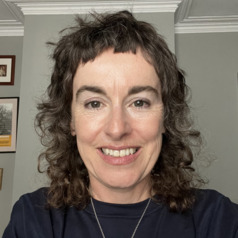
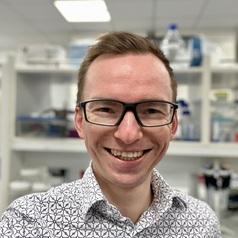
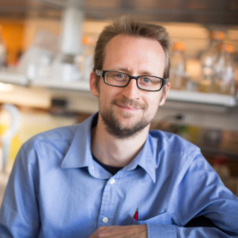
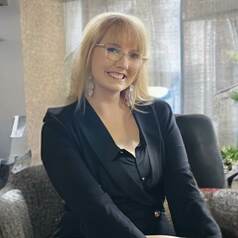
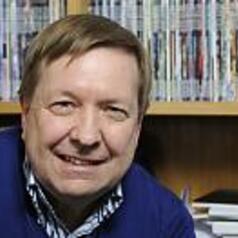
Associate Professor in Department of English Literature, Anglia Ruskin University Tory Young is an Associate Professor of English Literature at ARU, Cambridge. She teaches modernism and contemporary fiction, regularly interviews authors at Waterstones, and runs A Life Written, a life-writing for people aged 70+ with the National Centre for Writing.
Research Fellow, School of Sport, Exercise and Rehabilitation Sciences, University of Birmingham Tim Podlogar has a PhD from exercise metabolism from the University of Birmingham. After his PhD completion he held a postdoctoral position at the Jožef Stefan Institute in Slovenia, where he investigated ketone body and menthol supplementation in extreme environments. At a similar time, he also become an Assistant Professor of Exercise Physiology at the University of Primorska, Slovenia. In late 2021 he returned to the University of Birmingham as a Research Fellow to work under Dr Gareth Wallis on a project looking at effects of heat acclimation on exogenous carbohydrate oxidation rates. He remains a visiting Assistant Professor at the University of Primorska. In 2022 Tim joined professional cycling team BORA hansgrohe as of of their performance nutritionists. In spare time he is a keen cycling covering more than 20.000 km yearly.
Senior Research Fellow, University of Reading My research is highly interdisciplinary, mixing ecology, economics and social sciences to explore ways of integrating biodiversity into human systems and decision making by quantifying and recognising the many values associated with ecosystems. Within this sphere, in am particularly interested in: – How do biodiversity and ecosystem services influence food systems? – How do we integrate biodiversity monitoring into decision making? – How will changes to landscapes and land management affect the interplay between biodiversity and ecosystem services?
Associate Professor of Microbiology, Cornell University My group studies cell envelope stress responses of Gram-negative pathogens. We are defining regulatory pathways and functional networks of enzymes involved in cell wall degradation, modification and synthesis as well as factors required for upholding outer membrane barrier function. We seek to understand these processes to gain insight into the mechanistic underpinnings of cell growth and shape, as well as antibiotic resistance.
Associate Lecturer in Indigenous Studies, Macquarie University Dr Tamika Worrell is an Associate Lecturer in the Department of Indigenous Studies Macquarie University. She has recently completed her PhD thesis "Prioritising Blak Voices: Representing Indigenous Perspectives in NSW English Classrooms". This thesis continued her work in representation, secondary schooling and Indigenous education.
Professor of Neuroscience, University of Cambridge Trevor is Professor of Cognitive Neuroscience at the University of Cambridge from 1997, being based in Cambridge for most of his scientific career and receiving his PhD there in 1975. He was also Professor of Expt. Psychology and Head of the Dept. of Psychology (2002-2017). He is a Fellow of the British Psychological Society (1990), British Pharmacological Society (2017), Academy of Medical Sciences (2000), and Royal Society (2005), the most prestigious science society in the U.K. He has published over 950 peer-reviewed articles, (H index 208, Web of Science; 256, Google Scholar). He has co-edited nine books, most recently (with N. Fineberg) Neurobiology and Treatment of OCD: Accelerating Progress. (Springer, 2021). He edits Psychopharmacology (since 1980) and Current Opinion in the Behavioral Sciences, and is an editorial advisor for Science. Trevor directs the ‘Behavioural and Clinical Neuroscience Institute’ (founded in 2005) the mission of which is to enhance translation from basic to clinical neuroscience. In 1987, he co-invented the CANTAB computerized neuropsychological test battery, used in over 700 centres world-wide. He is especially interested in frontal lobe function, including cognitive flexibility and its neurochemical modulation, relevant to clinical disorders especially of impulsive-compulsive behaviour. He received the Distinguished Scientific Contribution Award from the American Psychological Association (2011). In 2014 he shared the Brain Prize of the Grete Lundbeck European Brain Research Foundation, the most valuable in neuroscience, for his work on human mental disorders. He received Lifetime Achievement Awards from the British Association for Psychopharmacology (2015) and the British Psychological Society (2018). In 2016, he received the Robert Sommer Award for research into schizophrenia. In 2017 he received the Gold Medal of the Society for Biological Psychiatry (USA) and the Goldman-Rakic Award (from the Brain and the Behavior Foundation) for outstanding research in cognitive neuroscience. Trevor has been rated by Semantic Scholar as the "4th Most Influential Neuroscientist of the Modern Era". He received the William James Fellow Award of the Association for Psychological Science (2021) and high research rankings in both Psychology and Neuroscience according to res.com (2022). https://research.com/scientists-rankings/neuroscience/psychology He was made a CBE in the U.K. New Year’s Honours list. in 2012 "for services to medical research".