


 Trump Reportedly Approves Plan to Remove FDA Commissioner Marty Makary Amid Growing Controversies
  Russia Launches Missile and Drone Attacks on Kyiv, Zaporizhzhia, and Kharkiv
  Hantavirus Cruise Ship Outbreak Triggers Global Health Alert
  Israeli Strikes Kill Six in Gaza as Ceasefire Talks Continue in Cairo
  France Battles Mediterranean Wildfires as Heatwave Fuels Fire Risk
  CDC Monitors 41 Americans After Andes Hantavirus Outbreak on Luxury Cruise Ship
  Ann Widdecombe Murder: Police Arrest Second Suspect, Rule Out Terrorism Motive
  GSK Reportedly Nears $9 Billion Acquisition of Cancer Drug Developer Nuvalent
  Zelenskiy Plans Ukraine Government Shake-Up as Prime Minister Svyrydenko Set to Step Down
  Republican Senator Lindsey Graham Dies at 71, Leaving South Carolina Senate Seat Vacant
  Israel Sets October 27 Election as Netanyahu Faces Tough Political Test
  Alcohol is one of the most dangerous drugs, yet its presence is ubiquitous in social settings and celebrations
  EU to Propose New Rules Limiting Children's Access to Social Media
  HHS Watchdog Reports $5.56 Billion in Healthcare Fraud Recoveries as Enforcement Actions Decline
  Iran's Supreme Leader Vows Revenge as Trump Threatens Massive U.S. Military Response
  Venezuela Appoints Felix Plasencia to Lead Foreign Relations and Trade


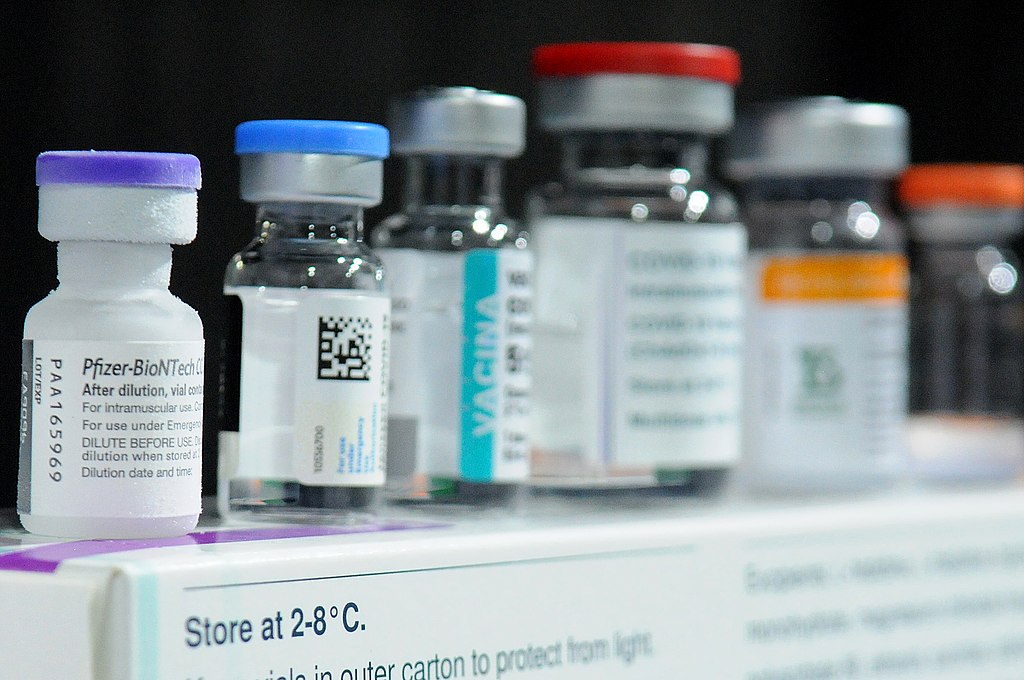
A recent Pew Research Center survey conducted in October reveals a sharp partisan divide in Americans’ attitudes toward updated COVID-19 vaccines. According to the findings, over 60% of Democrats report they have either received or plan to receive the updated vaccine, while 81% of Republicans indicate they are unlikely to do so.
The results underscore the continued polarization surrounding public health measures in the United States. Public health officials and policymakers face mounting challenges in promoting vaccine uptake amid entrenched political differences.
Democrats Embrace Vaccination While Republicans Express Skepticism
The survey highlights a clear partisan split on attitudes toward vaccines. Among Democrats and Democratic-leaning independents, 42% stated they had already received the updated COVID-19 vaccine, while another 20% said they planned to do so soon. The majority cited trust in public health guidance and a desire to protect vulnerable populations as their primary motivations.
Conversely, Republicans and Republican-leaning independents expressed overwhelming reluctance. Nearly 60% of Republican respondents said they would “definitely not” get the updated vaccine, and an additional 21% stated they “probably won’t.” Common reasons cited included skepticism toward government recommendations, concerns about side effects, and beliefs that natural immunity offers better protection.
Public Health Implications of the Vaccine Divide
Health experts warn that this growing divide could hinder the nation’s ability to manage future COVID-19 outbreaks effectively. Dr. Laura Michaels, an epidemiologist at Johns Hopkins University, noted, “Vaccines are a crucial tool in reducing hospitalizations and preventing severe illness, particularly in high-risk groups. This partisan gap presents significant public health challenges.”
The Biden administration has urged Americans to stay up to date on vaccinations, emphasizing the safety and efficacy of updated doses. However, misinformation and partisan messaging have made the task of increasing vaccine uptake increasingly difficult.
Meanwhile, Republican lawmakers and conservative media figures have continued to criticize vaccine mandates and other government interventions, fueling skepticism among their base.
Public Reactions: Social Media Weighs In
The Pew study sparked intense debate across social media platforms, with users weighing in on both sides of the issue. Here are six notable reactions from Twitter users:
- @LiberalVaxxer: “This proves why the pandemic isn’t over. Republicans are playing politics with public health—again!”
- @FreedomFirstUSA: “Another fear campaign from the left! We don’t need endless shots for a virus with a 99% survival rate.”
- @IndieObserver: “Can’t we just focus on facts? Vaccines save lives, but forcing people only creates more resistance.”
- @ScienceWins: “It’s exhausting to see science ignored. Vaccines aren’t political—they’re about saving lives.”
- @PatriotMom76: “Trusting my immune system, not Big Pharma. Democrats need to stop shaming those who choose otherwise.”
- @DataDrivenDan: “The numbers don’t lie—vaccines reduce severe illness. Partisanship is putting us all at risk.”







