


 Gold Prices Fall as US-Iran Conflict, Rising Oil Prices Fuel Fed Rate Concerns
  Oil Prices Jump as U.S.-Iran Conflict and Strait of Hormuz Tensions Shake Global Markets
  Dollar Rises as Middle East Conflict Fuels Inflation and Rate Hike Fears
  Asia Stocks Slip as Iran-Hormuz Tensions Lift Oil Prices, Dollar and Bond Yields
  South Korea’s KOSPI Triggers Trading Curb as AI Chip Stock Selloff Deepens
  Australia Consumer Sentiment Rises in July as Fuel Price Relief Lifts Confidence
  Fed Reaffirms 2% Inflation Goal, Vows Forceful Action to Anchor Price Expectations
  Australian Business Conditions Hold Steady as Easing Cost Pressures Face New Oil Price Risks
  Trump, Canada Reach Gordie Howe Bridge Deal Ahead of July 27 Opening
  Deutsche Bank Sees Global Capital Shifts Reshaping Long-Term U.S. Dollar Outlook
  Japanese Yen Holds Steady as Intervention Hopes Grow Ahead of U.S. CPI Data
  Iraq PM Visits Washington as U.S. Oil, Gas Deals Take Center Stage
  EU Weighs New Trade Restrictions on Israeli West Bank Settlements
  Singapore GDP Grows 5.7% in Q2 2026 as AI-Driven Manufacturing Boosts Economy
  European Stocks Slip as Middle East Tensions and Hormuz Threat Rattle Markets
  Dollar Eases as Middle East Conflict, Fed Outlook and Japan Pension Policy Drive FX Markets


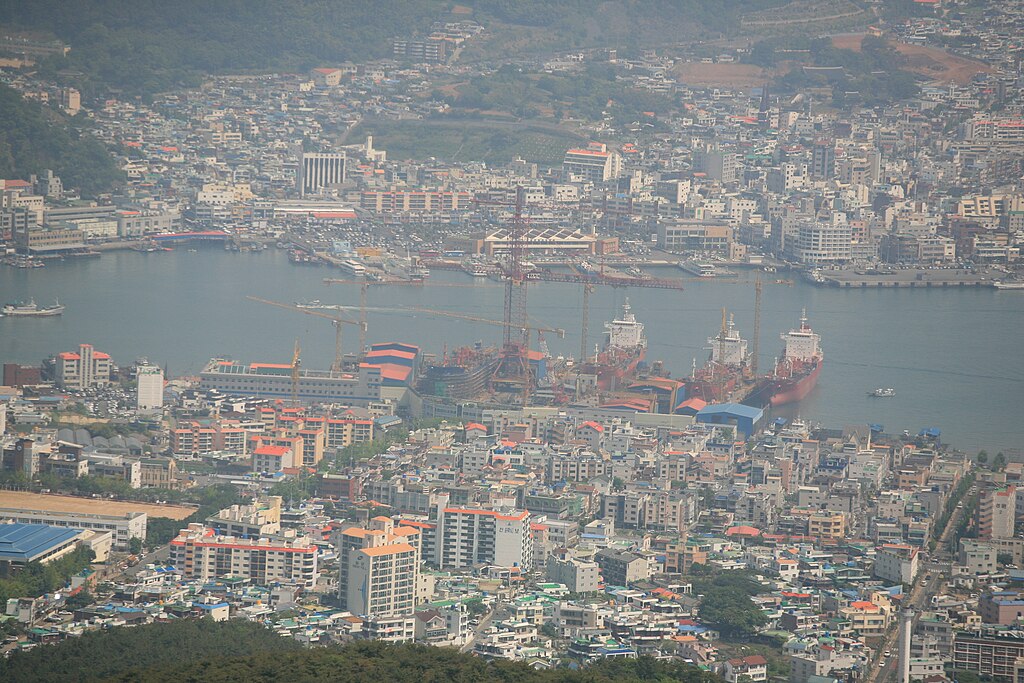
South Korea’s KOSPI has entered a bear market after falling about 25% from its record high reached in late June, highlighting the sharp reversal of one of the world’s strongest equity rallies. Despite the decline, the benchmark index remains the best-performing major stock market globally in 2026, posting gains of roughly 60% for the year.
The KOSPI’s extraordinary rise was fueled by booming demand for artificial intelligence (AI) technologies, which drove strong earnings growth at semiconductor giants Samsung Electronics and SK Hynix. President Lee Jae Myung, who had previously set a 5,000-point target for the index, has maintained that South Korean equities remain attractively valued even after the surge.
However, analysts warn that the rally became increasingly dependent on leveraged investments and a handful of technology stocks. Samsung Electronics and SK Hynix now account for more than half of the KOSPI’s total market value, making the broader index highly sensitive to swings in their share prices.
Recent volatility has been severe. SK Hynix, whose shares had tripled during the AI-driven rally, suffered a sharp selloff, while leveraged exchange-traded funds (ETFs) linked to the stock posted even steeper losses. The turbulence pushed the KOSPI into bear market territory and sent the market’s volatility index to historically elevated levels.
Market strategists say the correction is a reminder of the risks associated with concentrated investments and margin trading. While some investors see the pullback as a buying opportunity, others are reducing exposure due to concerns over excessive leverage among retail traders.
South Korea’s Financial Supervisory Service has said it is closely monitoring leveraged investment products and may investigate aggressive marketing practices. The Bank of Korea has also warned that single-stock ETFs could increase market instability.
Foreign investors have sold nearly $110 billion worth of South Korean equities this year, leaving domestic retail investors to absorb much of the buying. Although earnings forecasts for Samsung and SK Hynix continue to improve, prompting lower forward price-to-earnings ratios, some veteran investors remain cautious. Billionaire investor Jim Rogers said he prefers markets that are deeply out of favor, adding that South Korea has not yet reached that stage despite its recent correction.







