


 Samsung Electronics Posts Eightfold Profit Surge Driven by AI Chip Demand
  Chinese Universities with PLA Ties Found Purchasing Restricted U.S. AI Chips Through Super Micro Servers
  Reflection AI Eyes $25 Billion Valuation in Massive $2.5 Billion Funding Round
  TSMC Japan's Second Fab to Produce 3nm Chips by 2028
  NASA's Artemis II Crew Arrives in Florida for Historic Moon Mission
  Microsoft Eyes $7B Texas Energy Deal to Power AI Data Centers
  China's Push to Steal Taiwan's Chip Technology and Talent Raises Security Alarms
  OpenAI Executive Shake-Up Ahead of Anticipated 2026 IPO
  NASA Artemis II: First Crewed Moon Mission Since Apollo Takes Four Astronauts on 10-Day Lunar Journey
  Australia's Social Media Ban for Under-16s Sparks Global Movement
  SK Hynix Eyes Up to $14 Billion U.S. IPO to Fund AI Chip Expansion
  Elon Musk Ties SpaceX IPO Access to Mandatory Grok AI Subscriptions
  Makemation: a Nollywood movie that shows AI in action in Africa
  Meta and Google just lost a landmark social media addiction case. A tech law expert explains the fallout
  Microsoft's $10 Billion Japan Investment: AI Infrastructure and Data Sovereignty Push
  California's AI Executive Order Pushes Responsible Tech Use in State Contracts
  Annie Altman Amends Sexual Abuse Lawsuit Against OpenAI CEO Sam Altman


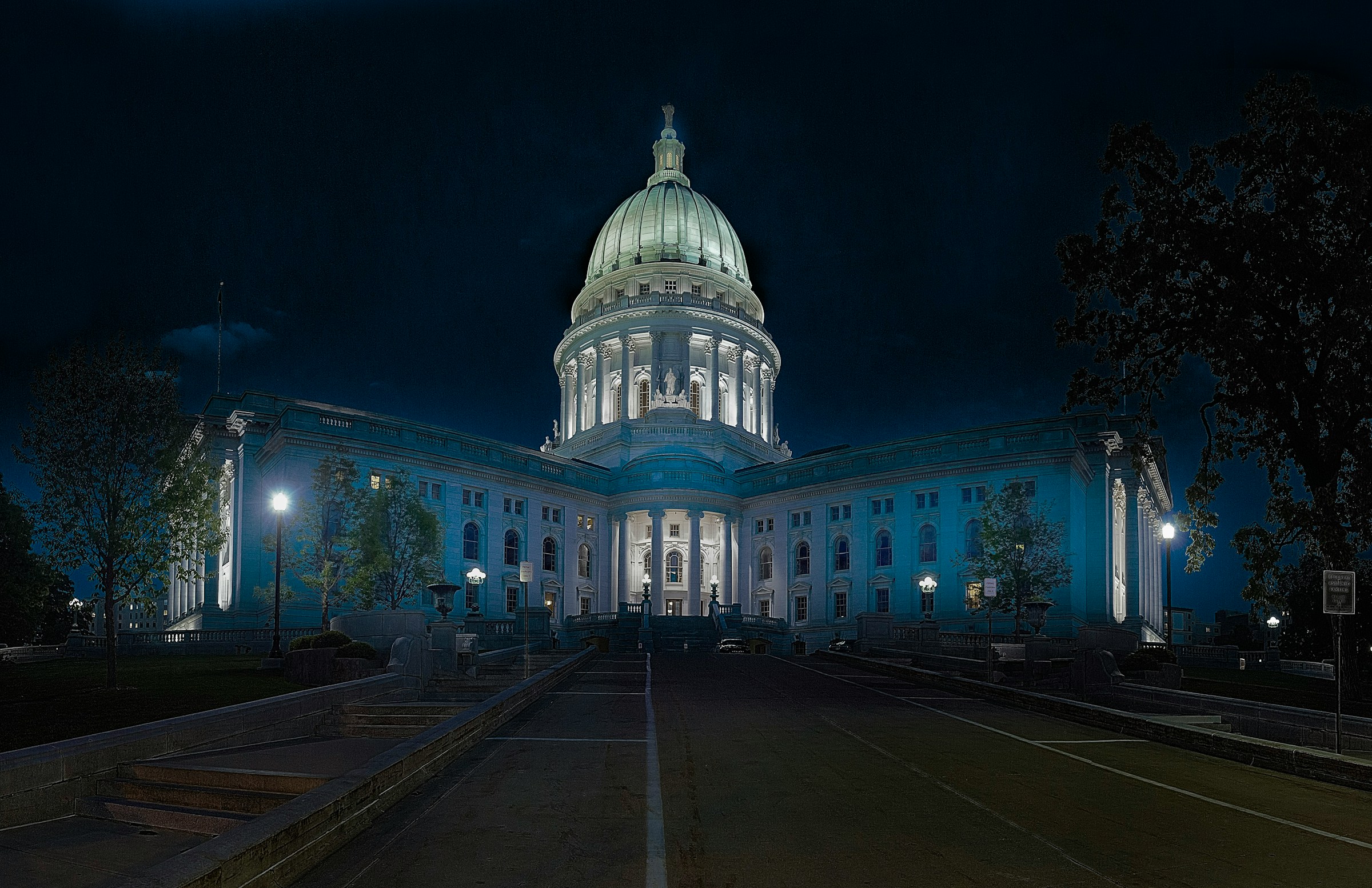
Throughout much of 2023, a limited number of states took legislative measures to address the challenges posed by artificial intelligence (AI) and deepfakes in political campaigns.
However, as the 2024 election cycle gains momentum, lawmakers from both major political parties in at least 13 states have proactively introduced legislation in the first three weeks of the year to combat the potential mis- and disinformation generated by AI and deepfake technologies.
Deepfake Threats Emerge in the 2024 Election Cycle
The urgency of addressing this issue became evident after the recent emergence of a fake robocall in New Hampshire featuring a voice impersonating President Joe Biden.
According to NBC News, the call advised Democratic voters not to cast their ballots in the primary, raising concerns about using AI or deep fake techniques. While the voice's origin remains uncertain, the New Hampshire attorney general's office investigates the matter, noting that the message seemed "artificially generated based on initial indications."
Robert Weissman, President of the government watchdog group Public Citizen, emphasized the critical moment for political deepfakes, calling on policymakers to swiftly implement protections to avoid potential electoral chaos. He highlighted the New Hampshire incident as a reminder of how deepfakes can create confusion and perpetuate fraud during the campaign season.
Legislative Approaches: Disclosure Requirements and Bans
States are responding to the deepfake threat with legislative initiatives that generally fall into two categories: disclosure requirements and bans.
Disclosure requirements involve placing disclaimers on media created with AI that aims to influence an election within a specified timeframe. According to Diginomica, bans often come with nuanced exceptions, such as Michigan's law enacted last year, which allows exceptions if a disclosure has been shared and the creator is unaware that the content "falsely represents" the depicted individuals.
As of the beginning of this year, Republican lawmakers in Alaska and Florida have introduced bills focusing on disclosure requirements, reflecting a growing awareness of the need for proactive measures to safeguard the integrity of political campaigns in the face of advancing AI and deepfake technologies.
Photo by: Michael/Unsplash







