


 Zelenskiy Plans Ukraine Government Shake-Up as Prime Minister Svyrydenko Set to Step Down
  Iraq PM Visits Washington as U.S. Oil, Gas Deals Take Center Stage
  Zhipu AI Raises HK$31.37 Billion in Discounted Share Sale to Accelerate AI Growth
  Russia Launches Missile and Drone Attacks on Kyiv, Zaporizhzhia, and Kharkiv
  Ann Widdecombe Murder: Police Arrest Second Suspect, Rule Out Terrorism Motive
  Venezuela Appoints Felix Plasencia to Lead Foreign Relations and Trade
  EU Ministers Split as Support Grows for Ban on Trade With Israeli West Bank Settlements
  Minnesota Wildfires Spread as Governor Tim Walz Deploys National Guard
  OpenAI GPT-5.6 Set for Wider Release After U.S. Commerce Approval, Report Says
  Bain Capital Exits Kioxia After AI-Fueled Valuation Surge
  Iran's Supreme Leader Vows Revenge as Trump Threatens Massive U.S. Military Response
  Israeli Strikes Kill Six in Gaza as Ceasefire Talks Continue in Cairo
  OpenAI Executive Fidji Simo to Step Down Amid Health Challenges Ahead of IPO
  Nvidia Tightens AI Chip Sales in Asia With Stricter Customer Approval Process
  Trump, Canada Reach Gordie Howe Bridge Deal Ahead of July 27 Opening
  Apple Sues OpenAI, Former Employees Over Alleged Trade Secret Theft


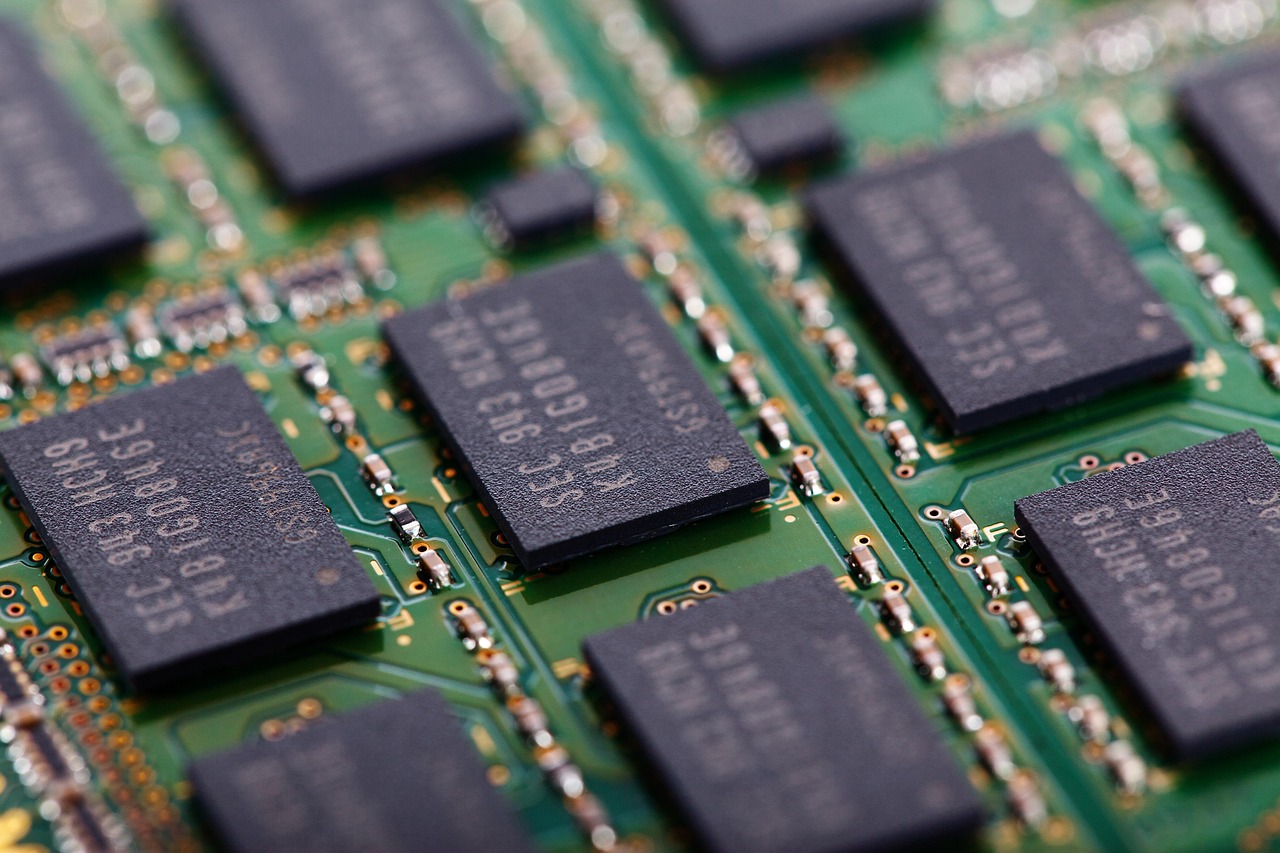
Taiwan's National Security Bureau has raised serious concerns about Beijing's escalating efforts to infiltrate the island's world-class semiconductor industry. According to a report submitted to Taiwanese lawmakers, China is aggressively targeting Taiwan's advanced chip manufacturing expertise and artificial intelligence talent as part of a broader strategy to break free from international technology restrictions.
As the U.S.-China tech rivalry intensifies, Beijing has ramped up covert operations to poach skilled workers and acquire cutting-edge technologies through indirect and illegal channels. Taiwan, which strictly prohibits the transfer of advanced technologies to China, has repeatedly uncovered networks of Chinese companies attempting to circumvent these laws. China's goal, authorities say, is to secure access to Taiwan's most advanced semiconductor processes — capabilities critical to its ambition of achieving self-reliance in chip production.
Taiwan is home to TSMC, the world's leading contract chipmaker and a vital supplier to global tech giants such as Nvidia and Apple. Control over or access to TSMC's manufacturing know-how would represent a massive strategic advantage for Beijing, which continues to face tightening export controls from the United States and its allies.
Beyond economic espionage, Taiwan's security agency warned that China is expected to deploy hybrid interference tactics ahead of the island's year-end local elections. These include the use of deepfakes and manipulated opinion polls designed to sway public sentiment. In the first quarter alone, Taiwan's Government Service Network recorded over 170 million cyberattack attempts, with officials warning that data theft and surveillance operations may be laying the groundwork for broader electoral meddling.
Military pressure has also mounted, with more than 420 Chinese aircraft detected near Taiwan during the same period, often operating alongside naval vessels conducting joint combat readiness patrols. Despite growing domestic economic challenges and geopolitical headwinds, Beijing shows no signs of easing its hybrid campaign against Taiwan, whose government firmly rejects Chinese sovereignty claims and insists that only its own people can determine the island's future.







