


 South Korea’s Lee Rules Out Military Role in Middle East War
  Trump Bans CNN, MS NOW and Politico From White House
  ICE Officer Shoots Man in Austin, Sparking Calls for Independent Probe
  North Korea Fires Two Ballistic Missiles From Wonsan
  Canada, France Strengthen Space and Defense Ties Amid Global Threats
  Najib Razak Granted House Arrest Until 2028
  White House Bars CNN, MS NOW and Politico Reporters
  Bessent Presses Japan on Fiscal Policy as Yen Struggles
  Canada Eyes India Trade Deal by Year-End
  Appeals Court Rejects Trump Third-Country Deportation Policy
  Trump Sets High-Stakes UN Meetings With Zelenskiy, Gulf Leaders
  Houthis Claim Missile, Drone Attacks on Riyadh and Saudi Oil Hub
  Turkey Ready to Aid Saudi Arabia Under Defence Pact as Houthi Attacks Escalate
  Trump Plans Federal AI Force and AI Czar
  Bessent, He Lifeng to Discuss AI Security and Trade in New York
  US, Denmark and Greenland Reach Deal to Expand American Military Presence
  Mexico Pushes for US Trade Deal Before Midterms


 Add as a preferred source on Google
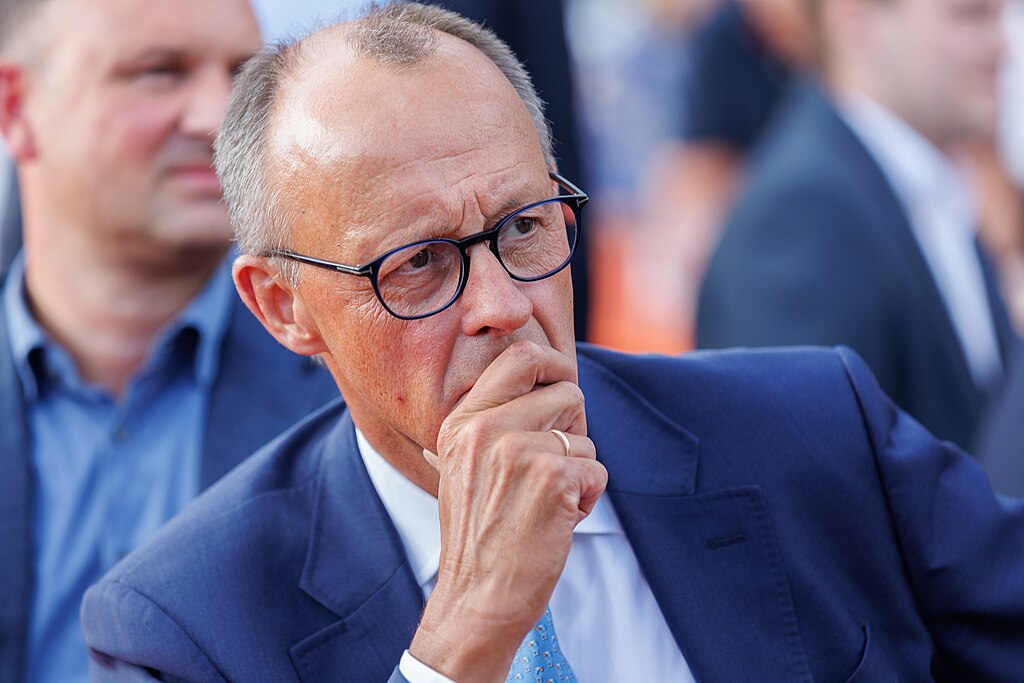
Germany’s Alternative for Germany (AfD) finished first in the Mecklenburg-Western Pomerania state election on Sunday, while Chancellor Friedrich Merz’s conservative Christian Democratic Union (CDU) suffered a historic setback.
Projections from public broadcaster ARD put the AfD at 38.3%, ahead of the centre-left Social Democrats (SPD) at 35.4%. Merz’s CDU fell to 4.9%, below the 5% threshold for representation in the state parliament and its weakest state election performance since 1949.
Merz described the result as a “disaster” but indicated he intends to remain chancellor and continue pursuing economic reforms aimed at reviving Germany’s sluggish growth.
The result marked another major state-level advance for the AfD following its strong showing in Saxony-Anhalt earlier in September. Despite its growing electoral support, the party faces difficulties entering government because Germany’s other major parties continue to rule out coalition agreements with it.
Berlin also delivered a significant political shift. Official preliminary results showed the Left Party, or Die Linke, leading with 25.7% of second votes, followed by the CDU at 18.8%. The AfD increased its share to 16.3%, while the Greens received 14.3% and the SPD 12.1%.
The setbacks add pressure on Merz, whose government has faced voter dissatisfaction over pension, tax and healthcare reforms as well as concerns about energy prices and living costs.
SPD state premier Manuela Schwesig said opposition to Germany’s financial and military support for Ukraine had also influenced voters in Mecklenburg-Western Pomerania. She pointed to continued local interest in restoring energy supplies through the Nord Stream pipelines.
Merz, however, defended his reform agenda, arguing that Germany needs sustained economic and political changes despite growing resistance.
The results highlight an increasingly fragmented German political landscape ahead of the next federal election scheduled for 2029, with the AfD expanding its support while established parties face pressure over the economy, energy costs, migration and foreign policy.







