


 Trump Allegedly Sought Airport, Penn Station Renaming in Exchange for Hudson River Tunnel Funding
  Norway Opens Corruption Probe Into Former PM and Nobel Committee Chair Thorbjoern Jagland Over Epstein Links
  Trump Endorses Japan’s Sanae Takaichi Ahead of Crucial Election Amid Market and China Tensions
  India–U.S. Interim Trade Pact Cuts Auto Tariffs but Leaves Tesla Out
  Trump Signs “America First Arms Transfer Strategy” to Prioritize U.S. Weapons Sales
  U.S. Lawmakers to Review Unredacted Jeffrey Epstein DOJ Files Starting Monday
  US Pushes Ukraine-Russia Peace Talks Before Summer Amid Escalating Attacks
  South Korea Assures U.S. on Trade Deal Commitments Amid Tariff Concerns
  Ohio Man Indicted for Alleged Threat Against Vice President JD Vance, Faces Additional Federal Charges
  Trump Says “Very Good Talks” Underway on Russia-Ukraine War as Peace Efforts Continue
  TrumpRx Website Launches to Offer Discounted Prescription Drugs for Cash-Paying Americans
  Netanyahu to Meet Trump in Washington as Iran Nuclear Talks Intensify
  Japan Election 2026: Sanae Takaichi Poised for Landslide Win Despite Record Snowfall
  New York Legalizes Medical Aid in Dying for Terminally Ill Patients
  Iran–U.S. Nuclear Talks in Oman Face Major Hurdles Amid Rising Regional Tensions
  U.S. Announces Additional $6 Million in Humanitarian Aid to Cuba Amid Oil Sanctions and Fuel Shortages


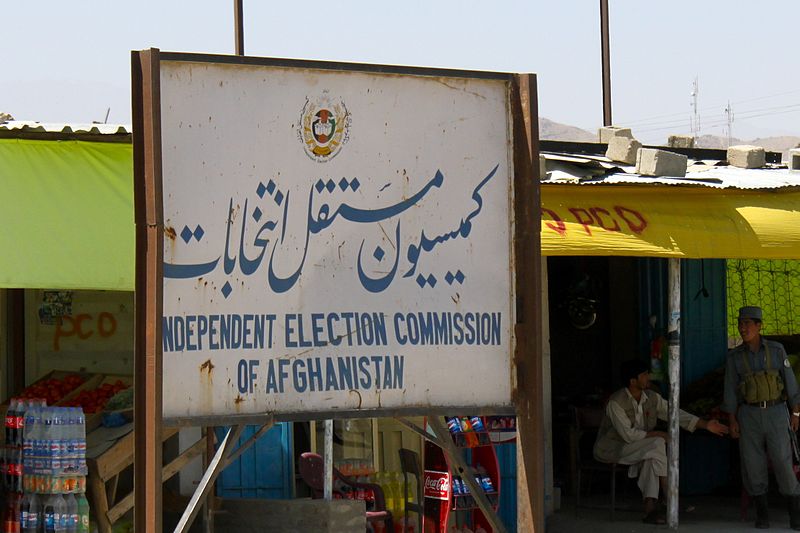
The Taliban has since made changes to the government of Afghanistan when it took control of the country back in August. In another change made to the country’s government, the insurgent group has dissolved its election commission.
Over the weekend, Taliban spokesman Bilal Karimi announced that the insurgent group had dissolved Afghanistan’s Independent Election Commission and the Independent Electoral Complaints Commission. Karimi explained that the insurgent group found that there was “no need” for the organizations to continue their operations. The IEC was in charge of supervising polls during the Western-backed governments when it was established in 2006.
However, Karimi noted that the commissions would return should the need arise.
The decision to dissolve the panel was met with criticism. Aurangzeb, who chaired the panel until Afghanistan’s western-backed government’s collapse back in August, said that the decision was made hastily and that it would lead to major repercussions. Aurangzeb went on to explain that dissolving the panel will not completely fix Afghanistan’s problems as there would not be elections.
Halim Fidai, who was a politician in the previous regime and governed four provinces in the last 20 years, said the insurgent group’s decision to dissolve the commission is against democratic values. Fidai described that the Taliban “does not believe in democracy.”
“They are against all democratic institutions. They get power through bullets and not ballots,” said Fidai.
Several electoral commission officials were also killed by armed groups prior to the Taliban’s takeover of Afghanistan back in August.
The international community is still reluctant to recognize the insurgent group as Afghanistan’s new rulers even as governments are sending over humanitarian assistance. According to Afghanistan’s former President Hamid Karzai, it is time for the international community to start engaging with the insurgent group for the benefit of the country. Speaking with CNN, Karzai said that the international community needs to put its mistrust of the Taliban aside to get aid to Afghans.
“The reality on the ground is that the Taliban are now the de facto authorities in the country,” said Karzai. When the former Afghan president was pressed on how the international community can support an insurgent group that was responsible for atrocities during its hardline rule, Karzai explained that the issue is “an unfortunate part of our lives” and that it was done by all sides.













