


 Morgan Stanley Says China’s Reusable Rocket Progress Poses Long-Term Challenge to SpaceX
  OpenAI Executive Fidji Simo to Step Down Amid Health Challenges Ahead of IPO
  Apple Sues OpenAI, Former Employees Over Alleged Trade Secret Theft
  Meta Says States Seek $1.4 Trillion in Penalties Over Teen Social Media Addiction Lawsuit
  TSMC Q2 Revenue Surges 36% as AI Chip Demand Powers Growth Ahead of Earnings
  Elon Musk Says Anthropic Leads AI Race as Claude Models Challenge OpenAI
  SoftBank Corp Partners With Sierra to Expand AI Customer Support Across Japan
  SK Hynix’s $28 Billion U.S. Share Sale Draws Massive Demand Amid AI Chip Boom
  Australia Flags Child Safety Gaps at Apple, Meta, Google Over Online Sexual Extortion
  EU to Propose New Rules Limiting Children's Access to Social Media
  Kitron Q2 Revenue Beats Estimates as Defense Demand Lifts Growth
  Yaskawa Electric Shares Slide as Weak Profit Overshadows Strong AI Demand
  Bain Capital Exits Kioxia After AI-Fueled Valuation Surge
  Levi Strauss Raises 2026 Outlook After Q2 Earnings Beat, Shares Drop Despite Strong Results
  Oppenheimer Sees CNH Industrial as Top 2026 Agriculture Stock Pick on Dealer Consolidation Strategy


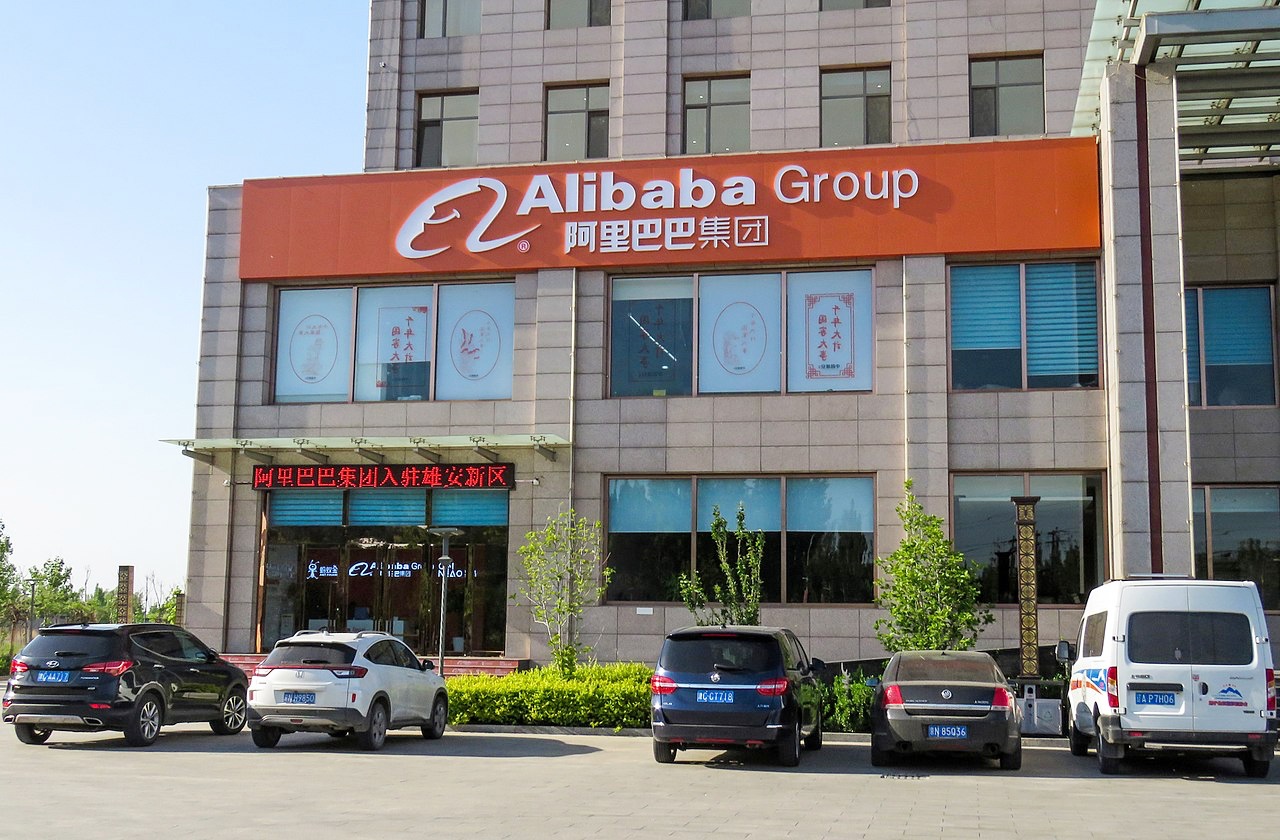
Alibaba is doubling down on artificial intelligence by deploying AI agents designed to connect its wide-ranging portfolio of consumer and enterprise services. The strategy marks a significant pivot — one that positions the $325 billion e-commerce titan to monetize AI more aggressively than traditional chatbot models allow.
Central to this shift is the newly established Alibaba Token Hub business group, helmed by CEO Eddie Wu. The restructuring signals a deliberate move toward agentic AI systems, which consume dramatically more tokens — the data units AI models process to generate responses — than standard question-and-answer chatbots. Analysts estimate these autonomous agents use tens to hundreds of times more tokens per session, opening a substantial new revenue stream for a company navigating fierce domestic competition and falling token prices.
Alibaba's AI chatbot, Qwen, has already begun evolving beyond basic queries. Users can now make purchases across Alibaba-owned platforms directly through natural language prompts. A 3 billion yuan coupon campaign launched in February illustrated both the enthusiasm and the growing pains of this approach — demand was so overwhelming the app temporarily crashed.
What sets Alibaba apart from Chinese rivals like Tencent and ByteDance is the depth of its integrated ecosystem. From e-commerce and food delivery to cloud infrastructure and logistics, Alibaba controls the full stack. No third-party handoffs, no fragmented experiences — just one seamless AI-powered interface capable of handling everything from shopping to travel bookings.
On the enterprise side, Alibaba introduced Wukong, a multi-agent platform built to automate complex business workflows including document editing, spreadsheet management, and meeting transcription.
Despite recent leadership departures in its Qwen division, Alibaba's broad AI talent base and aggressive restructuring suggest the company remains well-positioned to lead in the global race toward practical, profitable artificial intelligence.







