


 Asian Currencies Weaken as Stronger Dollar Weighs, Yen Supported by GPIF Repatriation Hopes
  FDA Adds Fatal Risk Warning to J&J and Legend Biotech’s Carvykti Cancer Therapy
  Australia Consumer Sentiment Rises in July as Fuel Price Relief Lifts Confidence
  NASA's Artemis II Crew Arrives in Florida for Historic Moon Mission
  South Korea’s KOSPI Enters Bear Market Despite Remaining 2026’s Best-Performing Major Stock Index
  Neuralink Expands Brain Implant Trials with 12 Global Patients
  Trump, Canada Reach Gordie Howe Bridge Deal Ahead of July 27 Opening
  Trump Administration Releases New UFO Files and Apollo Mission Records
  Gold Prices Fall as US-Iran Conflict, Rising Oil Prices Fuel Fed Rate Concerns
  Blue Origin New Glenn Explosion Could Delay Launch Operations Until 2028
  NASA Artemis II: First Crewed Moon Mission Since Apollo Takes Four Astronauts on 10-Day Lunar Journey
  SpaceX’s Starship Completes 11th Test Flight, Paving Way for Moon and Mars Missions
  Gold Price Holds Near $4,000 as Middle East Tensions and Fed Rate Hike Bets Grow
  US Inflation Expected to Ease in June, but Fed Rate Hike Risks Persist Amid Middle East Tensions
  Deutsche Bank Sees Global Capital Shifts Reshaping Long-Term U.S. Dollar Outlook


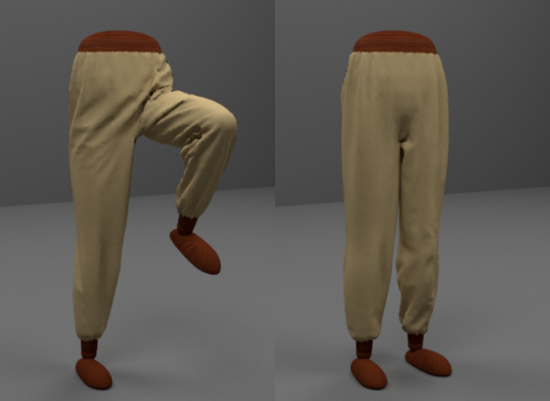
The Korea Electrotechnology Research Institute (KERI) has developed a device that allows clothes and shoes to produce electricity using their frictional forces and to store it.
The device has a self-charging nanogenerator that produces electricity using frictional force and has a micro super-capacitor power supply that stores the electricity and supplies it to other wearable electronic devices.
The KERI adopted the method of integrating single-wall carbon nanotubes, which have excellent electrical conductivity, with elastic polymers.
The newly-developed device is elastic in all directions while having strong enough durability to endure more than 10,000 uses in KERI’s in-house performance tests.
A possible application would be for hiking or climbing apparel that charges power supply devices to be used for flashlights and smartphones in emergencies.







