


 Meta Says States Seek $1.4 Trillion in Penalties Over Teen Social Media Addiction Lawsuit
  LG Energy Solution Q2 Profit Plunges 77% Despite Revenue Growth on Weak EV Demand
  OpenAI GPT-5.6 Set for Wider Release After U.S. Commerce Approval, Report Says
  DOJ Subpoenas New York Times Journalists Over Air Force One Leak Report
  Trump Administration Hands Over Key Evidence in Minnesota Immigration Shooting Investigations
  In a rebuke to Trump, the Supreme Court rules that birthright citizenship is the law of the land
  New Mexico AG Accuses DOJ of Delaying Jeffrey Epstein Ranch Investigation
  Levi Strauss Raises 2026 Outlook After Q2 Earnings Beat, Shares Drop Despite Strong Results
  Yaskawa Electric Shares Slide as Weak Profit Overshadows Strong AI Demand
  Samsung Chairman Lee Jae-yong Expected to Meet Nvidia CEO Jensen Huang on AI and Chip Partnership
  Fast Retailing Raises Full-Year Forecast After Uniqlo Owner Beats Q3 Profit Estimates
  Chinese Chip Stocks Jump as Apple Reportedly Tests CXMT Memory Chips for China Devices
  Apple Challenges India Antitrust Probe, Says CCI Copied Rivals’ Claims in App Store Case
  Bain Capital Exits Kioxia After AI-Fueled Valuation Surge
  Australia Flags Child Safety Gaps at Apple, Meta, Google Over Online Sexual Extortion
  Samsung to Launch First Yongin Chip Plant by 2029 as South Korea Speeds Up Semiconductor Hub
  US Judge Seeks Explanation for DOJ’s Decision to Drop Gautam Adani Bribery Case


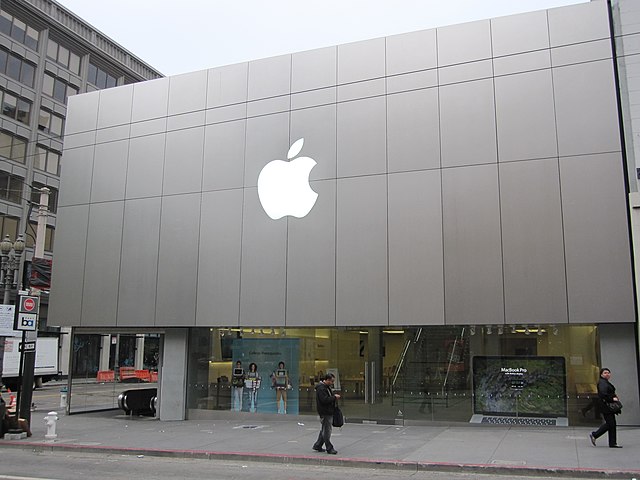
Apple secured a partial victory in its long-running legal battle with Epic Games after a U.S. appeals court on Thursday modified parts of a lower court order that required changes to the iPhone maker’s highly profitable App Store. However, the court largely upheld a sweeping injunction that continues to reshape how Apple can operate its digital marketplace and charge developers.
The San Francisco-based 9th U.S. Circuit Court of Appeals ruled that certain aspects of an April contempt order against Apple were overly broad and must be revised. That order had found Apple in violation of a previous injunction issued in 2021, which aimed to promote greater competition by allowing app developers to direct users to alternative payment options outside the App Store. While the appeals court agreed that parts of the ruling needed adjustment, it left intact most of the contempt finding and reaffirmed the core injunction against Apple.
A key modification involved the lower court’s blanket ban on Apple charging any commission on purchases made outside its platform. The appeals court said Apple should be allowed to seek a reasonable commission on those transactions, provided it operates within defined limits. This decision gives Apple some flexibility while still restricting practices the court viewed as anti-competitive.
Epic Games CEO Tim Sweeney welcomed the ruling, arguing it prevents Apple from imposing what he described as excessive fees on developers. He said the decision would lead to meaningful changes benefiting both developers and consumers after years of resistance from Apple.
The lawsuit, filed by Epic Games in 2020, challenged Apple’s control over app distribution and in-app payments on iOS. Although Apple prevailed on most claims in the original case, the 2021 injunction forced it to permit external payment links. Apple later imposed a 27% commission on off-app purchases made within seven days of clicking those links, compared with its standard 30% App Store fee. Epic argued this violated the injunction.
In April, U.S. District Judge Yvonne Gonzalez Rogers agreed with Epic, ruled Apple in contempt, and referred the matter to federal prosecutors. Apple appealed, arguing the new order exceeded the original injunction. The appeals court rejected Apple’s attempt to narrow the injunction’s scope beyond Epic, signaling continued scrutiny of App Store practices.







