


 Yaskawa Electric Shares Slide as Weak Profit Overshadows Strong AI Demand
  SK Hynix Shares Drop After Strong Nasdaq Debut Despite $26 Billion ADR Listing
  Nippon Paint Reportedly Offers Up to €7.5 Billion for Akzo Nobel Decorative Paints Business
  UBS Starts CarTrade Tech With Buy Rating, Sees Strong Earnings Growth and ₹4,000 Target
  Elon Musk Says Anthropic Leads AI Race as Claude Models Challenge OpenAI
  SK Hynix’s $28 Billion U.S. Share Sale Draws Massive Demand Amid AI Chip Boom
  SK Hynix Soars 13% in Nasdaq Debut After Record $26.5 Billion IPO
  Oppenheimer Sees CNH Industrial as Top 2026 Agriculture Stock Pick on Dealer Consolidation Strategy
  SoftBank Corp Partners With Sierra to Expand AI Customer Support Across Japan
  Mastercard Explores Sale of Majority Stake in UK Payments Firm Vocalink: Report
  Australia Flags Child Safety Gaps at Apple, Meta, Google Over Online Sexual Extortion
  Meta Says States Seek $1.4 Trillion in Penalties Over Teen Social Media Addiction Lawsuit
  TSMC Q2 Revenue Surges 36% as AI Chip Demand Powers Growth Ahead of Earnings
  OpenAI GPT-5.6 Set for Wider Release After U.S. Commerce Approval, Report Says
  China 618 Smartphone Sales Drop 13% as Higher Prices Hurt Demand, Huawei Gains Market Share
  Apple Sues OpenAI, Former Employees Over Alleged Trade Secret Theft


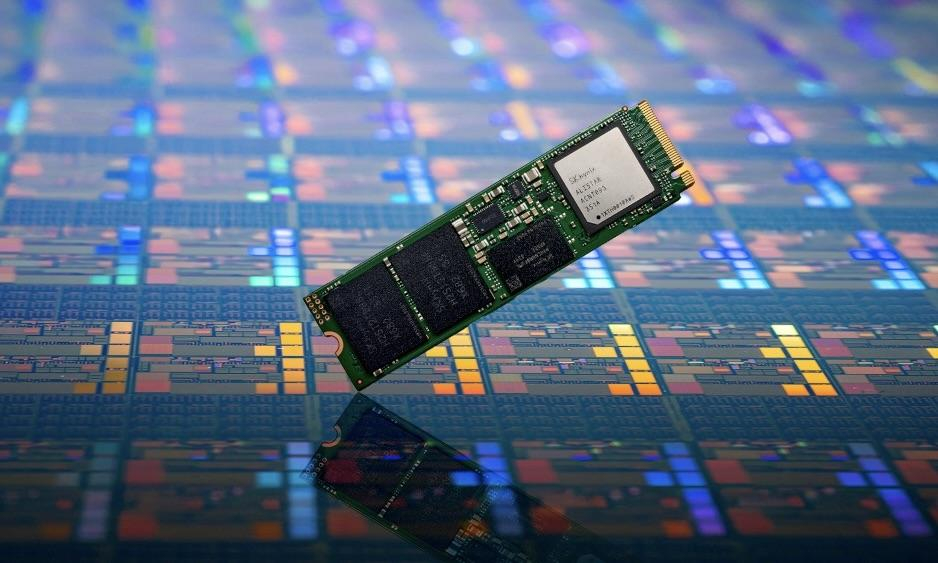
Apple is beginning to feel the strain from rapidly rising memory chip prices, a challenge that is expected to intensify in the current quarter as the global semiconductor market pivots toward artificial intelligence demand. During a recent earnings call, Apple CEO Tim Cook acknowledged that memory pricing has been “increasing significantly,” noting that while the impact was minimal during the strong holiday quarter ending December 31, profitability pressure is likely to grow in the months ahead.
The situation is unfolding as Apple experiences robust demand for its latest iPhone 17, particularly in major growth markets such as China and India. Cook described demand during the December quarter as “staggering,” but declined to comment on whether Apple would increase product prices to offset higher component costs stemming from memory shortages.
The tightening supply of conventional DRAM chips is being driven by major South Korean manufacturers Samsung Electronics and SK Hynix, which together control about two-thirds of the global DRAM market. Both companies have warned that smartphone and PC makers are increasingly bearing the burden of a worsening memory shortage, leading to margin compression and potential supply chain disruptions.
At the core of the issue is the global race to build AI infrastructure. Chipmakers are redirecting production capacity toward high-bandwidth memory (HBM), a more profitable product essential for AI servers and data centers. This shift has squeezed the availability of standard DRAM used in consumer electronics. Compounding the problem, memory manufacturers have remained cautious about expanding capacity after being burned by overinvestment in previous cycles, with Samsung indicating limited expansion through 2026 and 2027.
As a result, PC and mobile device makers are adjusting shipment plans, scaling back purchase volumes, or lowering memory specifications in price-sensitive products. Research firms IDC and Counterpoint now forecast a decline of at least 2% in global smartphone sales this year, while the PC market is expected to contract nearly 5% in 2026 after strong growth last year.
Samsung itself is not immune, reporting a 10% drop in mobile profits and warning of a challenging year ahead as AI-related memory continues to take priority over conventional chips.







