


 Wolfspeed Sues Navitas Over GaN and SiC Patent Infringement
  Trump Orders DOJ Investigation Into Exxon, Chevron Over High Gas Prices
  DOJ Subpoenas New York Times Journalists Over Air Force One Leak Report
  EU Ministers Split as Support Grows for Ban on Trade With Israeli West Bank Settlements
  Texas Man Charged After Fatal Tesla Full Self-Driving Crash in Katy
  Brazil Court Bars Flavio Bolsonaro From Visiting Jair Bolsonaro Ahead of Election
  EU to Propose New Rules Limiting Children's Access to Social Media
  Trump to Deliver National Address on Declassified 2020 Election Intelligence
  Israel Sets October 27 Election as Netanyahu Faces Tough Political Test
  Iran's Supreme Leader Vows Revenge as Trump Threatens Massive U.S. Military Response
  In a rebuke to Trump, the Supreme Court rules that birthright citizenship is the law of the land
  Republican Senator Lindsey Graham Dies at 71, Leaving South Carolina Senate Seat Vacant
  Paramount-Warner Bros. Discovery Merger Faces Lawsuit From 12 States
  DOJ Seeks Dismissal of Gautam Adani Bribery Case, Citing Foreign Scope
  UN Says Hamas Disrupted Gaza Aid Distribution, Group Denies Allegations
  Apple Sues OpenAI, Former Employees Over Alleged Trade Secret Theft
  Trinidad Businessman Dominic Hadeed Appeals Detention Over Alleged Assassination Plot


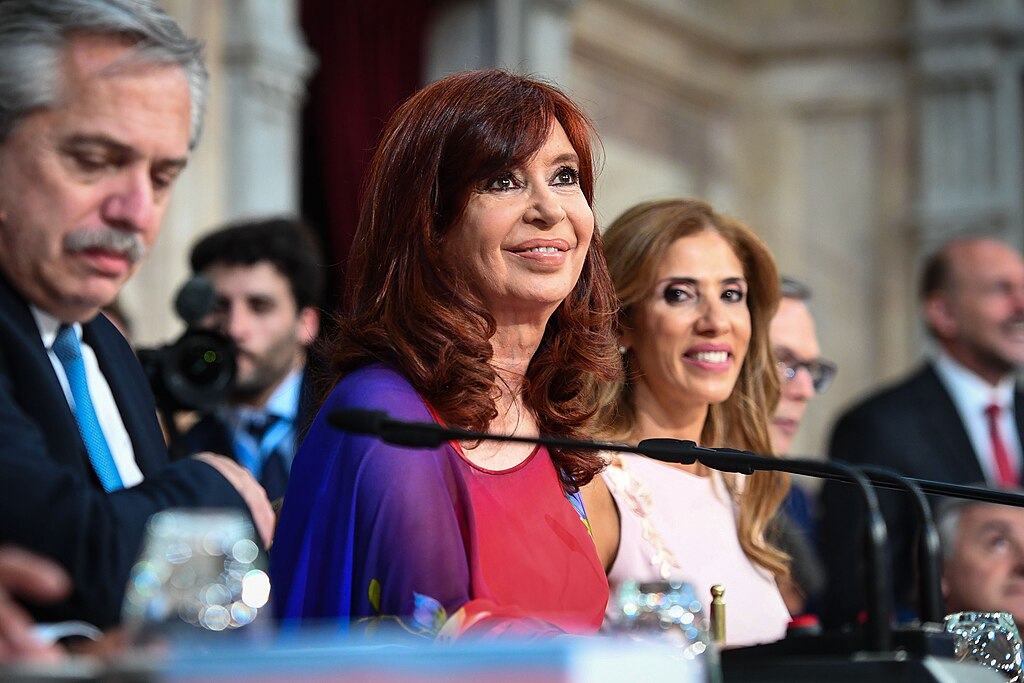
An Argentine court has moved to seize 20 properties belonging to former President Cristina Fernández de Kirchner and her family as part of the enforcement of her fraud conviction tied to an alleged public works corruption scheme. The decision, reported by local media, marks a significant escalation in a long-running legal battle that continues to shape Argentina’s political landscape and fuel debate over corruption, accountability, and political influence in the country.
Fernández de Kirchner, a dominant and polarizing figure in Argentine politics, served two consecutive presidential terms from 2007 to 2015. She later returned to government as vice president, in addition to previously holding roles as a senator and first lady. Her extensive political career has made her one of the most influential leaders in the region, but it has also placed her at the center of multiple judicial inquiries.
Since June, she has been under house arrest following a conviction for fraud involving irregularities in the awarding of public works contracts during her presidency. Authorities allege that she played a pivotal role in directing lucrative contracts to companies aligned with her political circle, resulting in significant financial losses for the state. The property seizure order is intended to secure assets that could ultimately be used to cover financial penalties associated with the conviction.
Earlier this month, Fernández de Kirchner returned to court to face additional bribery charges in a separate case. Prosecutors claim she accepted illicit payments in exchange for political favors, further intensifying scrutiny over her time in office. She has repeatedly denied wrongdoing, framing the charges as politically motivated attacks designed to undermine her legacy and weaken her influence.
The unfolding legal saga continues to attract national and international attention, raising questions about judicial independence, political polarization, and the broader fight against corruption in Argentina. As the cases progress, the repercussions for Fernández de Kirchner and the country’s political landscape remain significant and far-reaching.







