


 Japan, U.S. Speed Up Talks on $550 Billion Investment Deal Amid Tariff Pressure
  Japan GDP Growth Slows Sharply in Q4 2025 Amid Weak Business Spending and Trade Tensions
  Asian Markets Consolidate Gains as Japan GDP Disappoints and Fed Rate Cut Bets Rise
  Fed Governor Stephen Miran Warns Tight Monetary Policy Threatens U.S. Economic Growth
  Asian Stock Markets Trade in Narrow Range as Japan GDP Misses Forecasts, Hang Seng Gains
  Oil Prices Steady but Head for Weekly Loss as Supply Glut Concerns Weigh
  Gold Prices Steady as Markets Await Key U.S. Inflation Data
  Gold Prices Steady Above $5,000 as Markets Eye Fed Minutes and PCE Inflation Data
  ECB Expands Euro Liquidity Backstop to Strengthen Global Role of the Euro
  U.S. Stocks End Mixed as January CPI Cools, Treasury Yields Slide
  Ukraine Secures $8.2 Billion IMF Loan as Tax Conditions Are Eased
  Oil Prices Edge Higher as US-Iran Tensions and Strong Payroll Data Shape Market Sentiment
  Asian Markets Slip as Tech Stocks Tumble Ahead of Key U.S. Inflation Data
  Gold and Silver Prices Slip After Strong U.S. Jobs Data, Fed Rate Cut Bets Fade
  Yen Pulls Back After Rally as Fed Rate Cut Bets Support Dollar Stability
  Japan Signals Openness to Gradual BOJ Rate Hikes as Deflation Era Ends


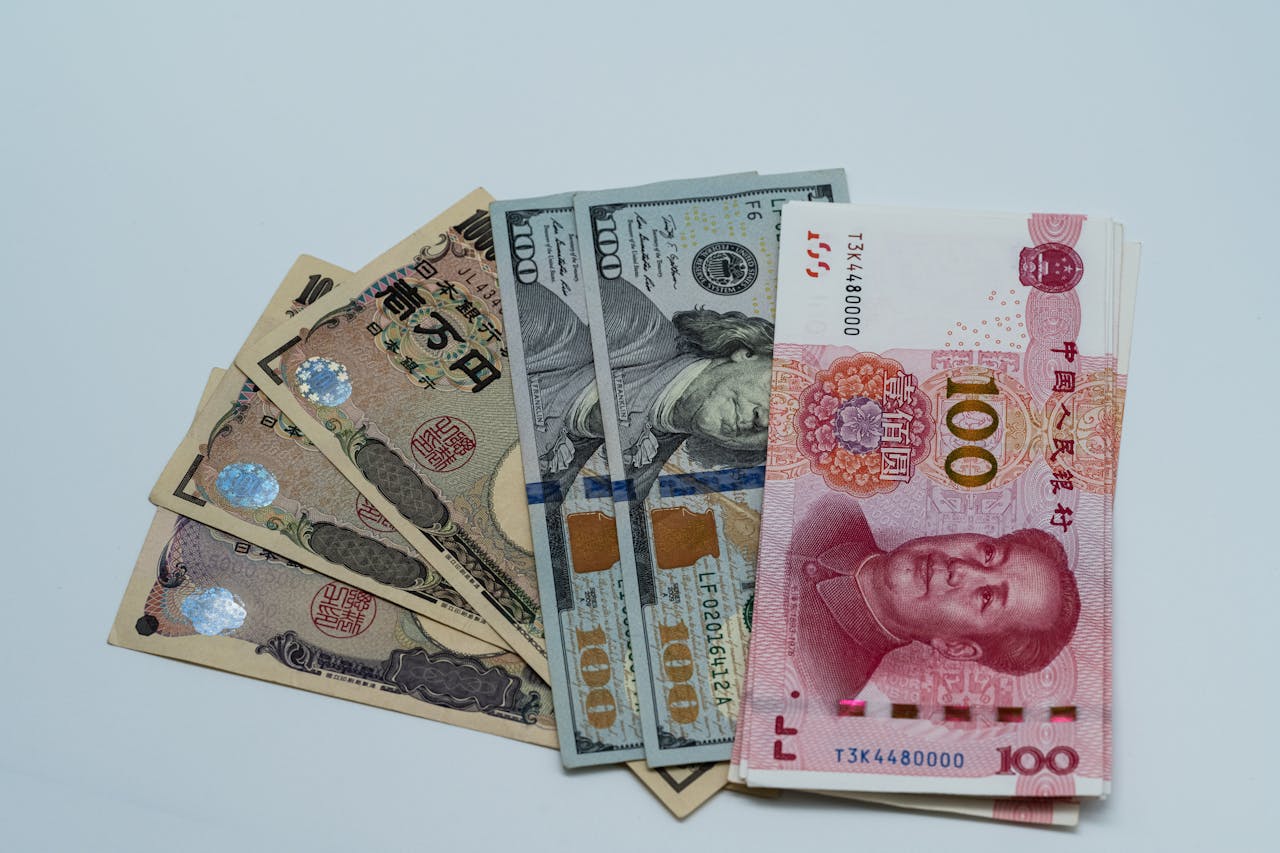
Asian currencies moved higher on Monday while the US dollar retreated, as investors reacted to fresh developments surrounding President Donald Trump’s tariff policies and ongoing uncertainty over Federal Reserve interest rate cuts. The US Dollar Index fell 0.4% during early Asian trading, with US Dollar Index futures also down 0.4% as of 05:04 GMT, reflecting softer demand for the greenback.
The Japanese yen strengthened, with USD/JPY dropping 0.5%, supported by renewed safe-haven demand amid global trade concerns. The South Korean won also gained ground, as USD/KRW slipped 0.2%. Meanwhile, the offshore Chinese yuan edged higher, pushing USD/CNH down 0.1%. These moves highlight shifting sentiment in the Asia forex market as traders assess the broader impact of US trade policy changes.
Last week, the US Supreme Court ruled that Trump’s earlier sweeping tariffs, introduced under emergency powers, were not legally justified. Markets initially viewed the decision as a potential de-escalation in US-China trade tensions and a positive signal for global economic growth. However, President Trump quickly announced a new 10% global tariff on imports for 150 days under Section 122 of US trade law, with plans to raise the rate to 15%, the maximum permitted under the statute.
The renewed tariff strategy has complicated the outlook for major Asian exporters such as Japan and South Korea, which rely heavily on US demand and had previously secured trade agreements or exemptions. Regional stock markets delivered mixed performances as investors weighed potential disruptions to supply chains and capital flows.
Adding to market caution, recent US economic data showed slower growth alongside persistent inflation, dampening expectations for near-term Federal Reserve rate cuts. In Asia, USD/INR remained largely flat, USD/SGD dipped 0.1%, and AUD/USD edged 0.2% lower, underscoring continued volatility in global currency markets.













