


 New Zealand House Prices Dip in January Amid Seasonal Slowdown and Severe Weather
  Japan Signals Openness to Gradual BOJ Rate Hikes as Deflation Era Ends
  Asian Stock Markets Trade in Narrow Range as Japan GDP Misses Forecasts, Hang Seng Gains
  Japan GDP Growth Slows Sharply in Q4 2025 Amid Weak Business Spending and Trade Tensions
  Ukraine Secures $8.2 Billion IMF Loan as Tax Conditions Are Eased
  U.S. Stock Futures Edge Higher Ahead of Holiday as Investors Await Key Economic Data
  Asian Currencies Slip as Dollar Stabilizes Ahead of U.S. CPI Data
  Japan Coalition Urges BOJ Independence as Sales Tax Cut Plan Advances
  Yen Surges After Takaichi Election Win as Markets Eye U.S. Inflation Data
  Oil Prices Edge Higher as US-Iran Tensions and Strong Payroll Data Shape Market Sentiment
  BOJ Governor Ueda Meets PM Takaichi as Markets Eye Possible Rate Hike
  Asian Markets Consolidate Gains as Japan GDP Disappoints and Fed Rate Cut Bets Rise
  U.S.–Taiwan Trade Agreement Sets 15% Tariff, Boosts Energy and Semiconductor Investment
  Japan, U.S. Speed Up Talks on $550 Billion Investment Deal Amid Tariff Pressure
  Asian Markets Slip as Tech Stocks Tumble Ahead of Key U.S. Inflation Data
  Oil Prices Steady but Head for Weekly Loss as Supply Glut Concerns Weigh


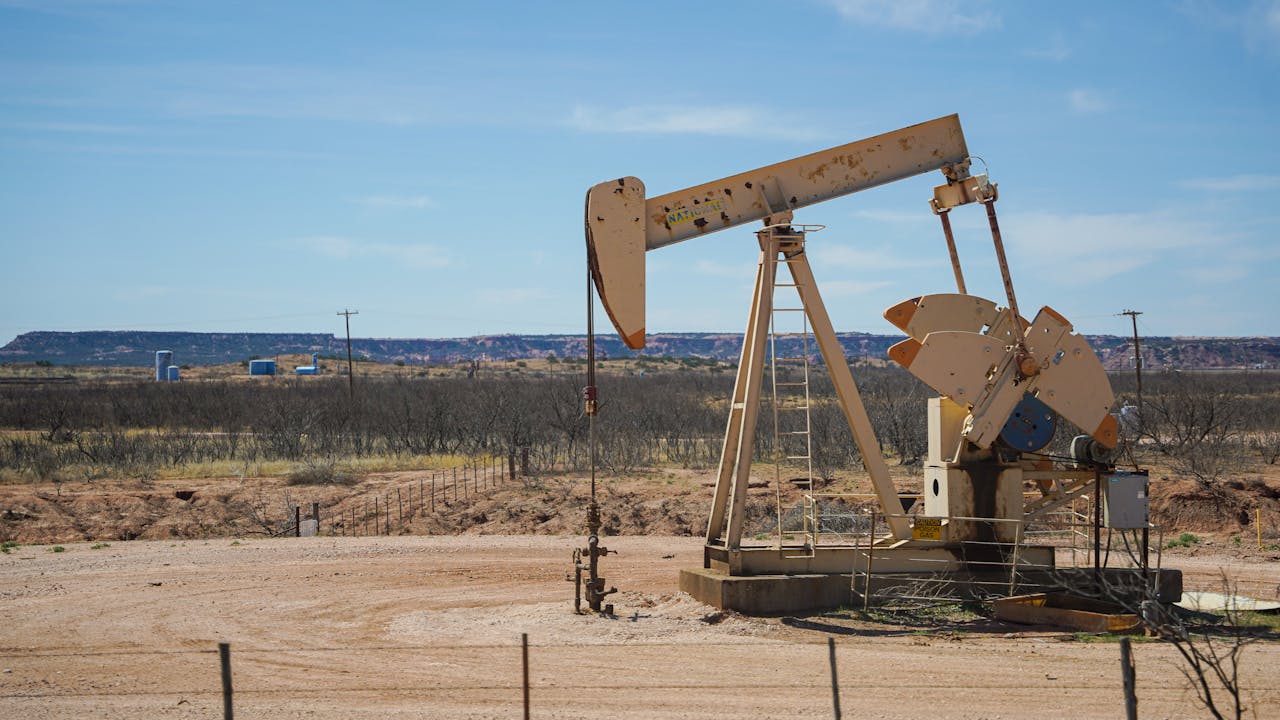
Oil prices edged lower on Monday after U.S. President Donald Trump announced plans to raise tariffs on global imports, a move that has heightened uncertainty סביב global economic growth and future fuel demand. The latest tariff decision weighed on crude markets, reversing some of last week’s gains driven by geopolitical tensions in the Middle East.
Brent crude futures fell 45 cents, or 0.63%, to $71.31 per barrel as of 2315 GMT. Meanwhile, U.S. West Texas Intermediate (WTI) crude declined 50 cents, or 0.75%, to trade at $65.98 per barrel. The pullback reflects investor concerns that higher U.S. import tariffs could slow international trade, dampen economic expansion, and reduce global energy consumption.
Over the weekend, President Trump stated that he would increase a temporary tariff on U.S. imports from 10% to 15%, the maximum rate permitted under current law. The decision follows a U.S. Supreme Court ruling that struck down his earlier tariff program, prompting the administration to introduce a revised measure. Analysts say the tariff hike could pressure supply chains, disrupt global markets, and weigh on oil demand forecasts.
The announcement overshadowed escalating geopolitical risks involving the United States and Iran, which had supported crude prices last week. Fears of potential military conflict between the two nations pushed both Brent and WTI crude futures up more than 5%, as traders anticipated possible supply disruptions in the oil-rich Middle East.
However, market sentiment shifted as investors reassessed the broader economic impact of renewed trade tensions. Higher tariffs may curb industrial activity and transportation demand, both key drivers of oil consumption. As a result, oil market volatility remains elevated, with traders closely monitoring developments in U.S. trade policy and geopolitical relations.
Energy analysts suggest that future price movements will depend on the balance between geopolitical supply risks and the potential slowdown in global economic growth triggered by rising trade barriers.













