


 Oil Prices Ease as Markets Weigh U.S.-Iran Peace Deal and Strait of Hormuz Reopening
  AI-Focused Asia Hedge Funds Deliver Triple-Digit Returns in 2026 Rally
  Global EV Sales Rise for Third Consecutive Month in May Despite Regional Market Challenges
  RBA Expected to Hold Interest Rates at 4.35% as Markets Watch AUD/USD and ASX 200
  Myanmar Economic Outlook Hit by Fuel Price Shock as World Bank Cuts Growth Forecast
  Asian Stocks Advance as Nikkei Nears Record High Ahead of Fed Decision
  North Korea Reports Industrial Output at 105% of Target Following Party Congress
  US-Iran Ceasefire Deal Extends Peace Talks and Eases Oil Trade Restrictions
  ASX Proposes New Share Dilution Limits for Public Takeovers
  BOJ Raises Interest Rates to 1% as Inflation Pressures Persist
  China Industrial Output Beats Forecasts as Domestic Demand Weakens
  Japan Trade Deficit Narrows as Exports Surge in May
  US Stock Futures Edge Higher Ahead of Key Federal Reserve Decision
  Taiwan Central Bank Likely to Keep Interest Rates Unchanged Through 2027
  Oil Prices Recover Slightly as U.S. Crude Inventories Fall, But Iran Deal Caps Gains
  Dollar Slips as U.S.-Iran Peace Deal Optimism Boosts Risk Appetite Ahead of Fed Decision
  Oil Prices Tumble as U.S.-Iran Peace Deal Eases Supply Concerns


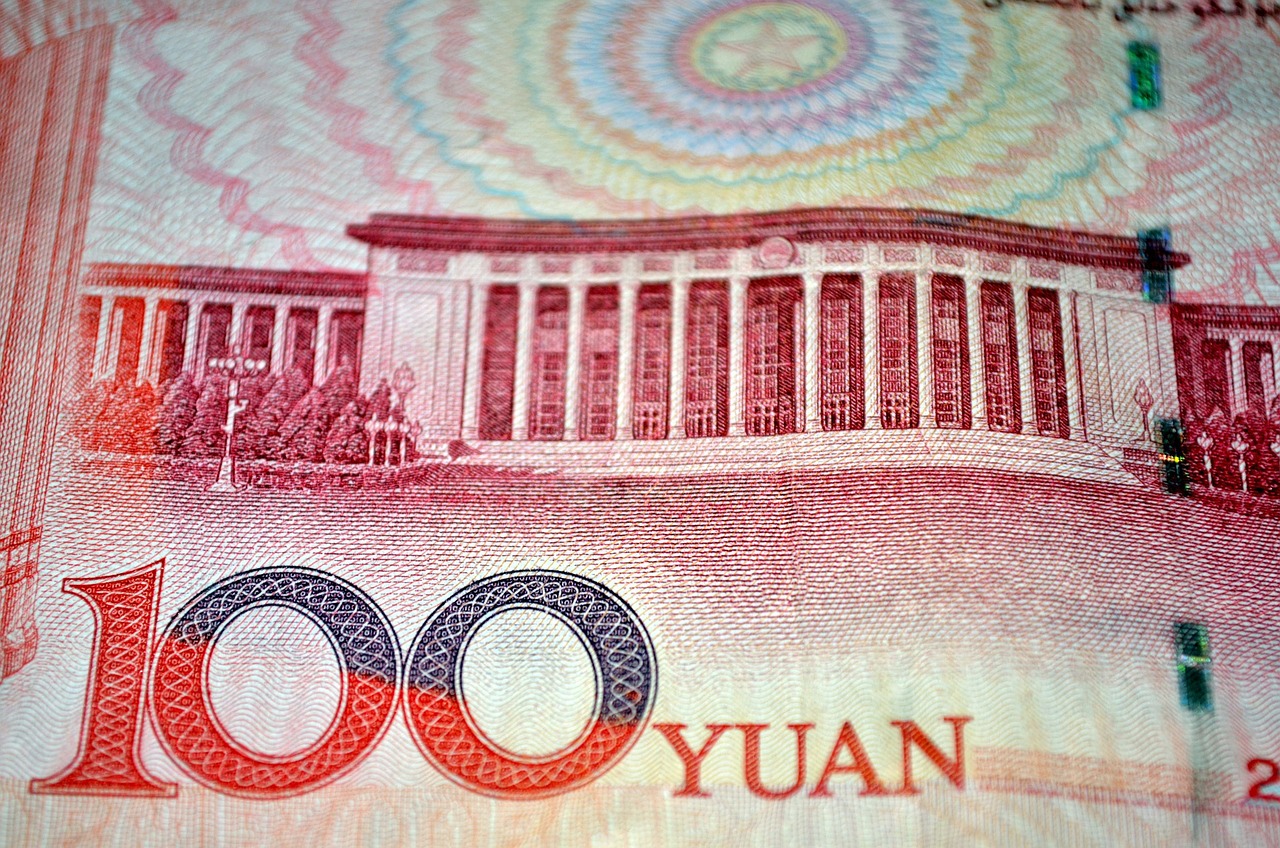
Most Asian currencies traded in a narrow range on Wednesday, while the U.S. dollar remained stable as investors awaited further details on a potential U.S.-Iran peace agreement and the outcome of the Federal Reserve’s latest policy meeting under Chair Kevin Warsh.
The U.S. Dollar Index (DXY) was largely unchanged after recording four consecutive sessions of losses, hovering near its lowest level in 10 days. Market participants remained cautious ahead of key economic developments that could influence global currency markets and interest rate expectations.
Investor sentiment improved earlier this week following reports of an interim agreement between the United States and Iran. The proposed deal could lead to the reopening of the Strait of Hormuz and support a gradual increase in Iranian oil exports, easing concerns about global energy supply disruptions.
According to emerging details, Iran would be permitted to resume oil exports once the agreement is implemented. Tehran has also reportedly agreed not to pursue nuclear weapons and to pause further expansion of its nuclear program during a 60-day negotiation period.
Despite the positive geopolitical developments, major Asian currencies showed limited movement. The Japanese yen strengthened slightly, with USD/JPY slipping 0.1% to 160.30. The muted reaction came even after the Bank of Japan raised interest rates by 25 basis points a day earlier. Fresh government data showed Japan’s exports increased for a ninth consecutive month in May, supported by strong demand for semiconductors linked to artificial intelligence investments.
Elsewhere, China’s yuan and Singapore’s dollar remained relatively stable against the greenback. South Korea’s won weakened, pushing USD/KRW up 0.4%, while the Indian rupee gained ground, sending USD/INR down 0.3% to its strongest level in more than five weeks. The Australian dollar was little changed after the Reserve Bank of Australia left interest rates unchanged as expected.
Attention is now firmly focused on the Federal Reserve’s policy announcement. While markets widely expect rates to remain unchanged, investors are closely watching updated economic forecasts and Chair Kevin Warsh’s comments for signals about future monetary policy. Any indication regarding potential interest rate cuts later this year could significantly influence the U.S. dollar, forex markets, and global investor sentiment.







