


 Asian Stocks Drop as Trump Signals Iran War Escalation
  Gold Prices Drop as Trump Escalates Iran Threats, Oil Surges
  South Korea's Inflation Rises Modestly in March Amid Oil Price Pressures
  Oil Prices Hold Near Multi-Year Highs Amid Iran Conflict and Hormuz Supply Fears
  Trump's Claim That the U.S. Can Cover Global Jet Fuel Shortfall Doesn't Add Up
  U.S. Stock Futures Steady Amid Iran Ceasefire Talks and Trump Address
  Gold Prices Surge as U.S.-Iran Ceasefire Talks Spark Market Optimism
  South Korea Manufacturing PMI Hits 4-Year High in March 2025 Driven by Semiconductor Demand
  Australia's Trade Surplus Surges in February on Gold Export Boom
  Trump Claims Iran Sought Ceasefire as Middle East War Escalates
  U.S. Job Market Braces for Slow Recovery Amid Middle East Tensions and Economic Uncertainty
  RBI Clamps Down on Rupee NDF Activity, Banks Face Steeper Losses
  Asian Currencies Weaken as Dollar Rebounds Amid Middle East Escalation
  Oil Prices Climb as Middle East Conflict Keeps Supply Risks Elevated
  Japan Business Sentiment Rises as Iran War Fuels Inflation Fears, BOJ Rate Hike Looms
  China's Services Sector Maintains Growth Streak Despite March Slowdown
  Trump Threatens Escalation Against Iran, Warns of Infrastructure Strikes


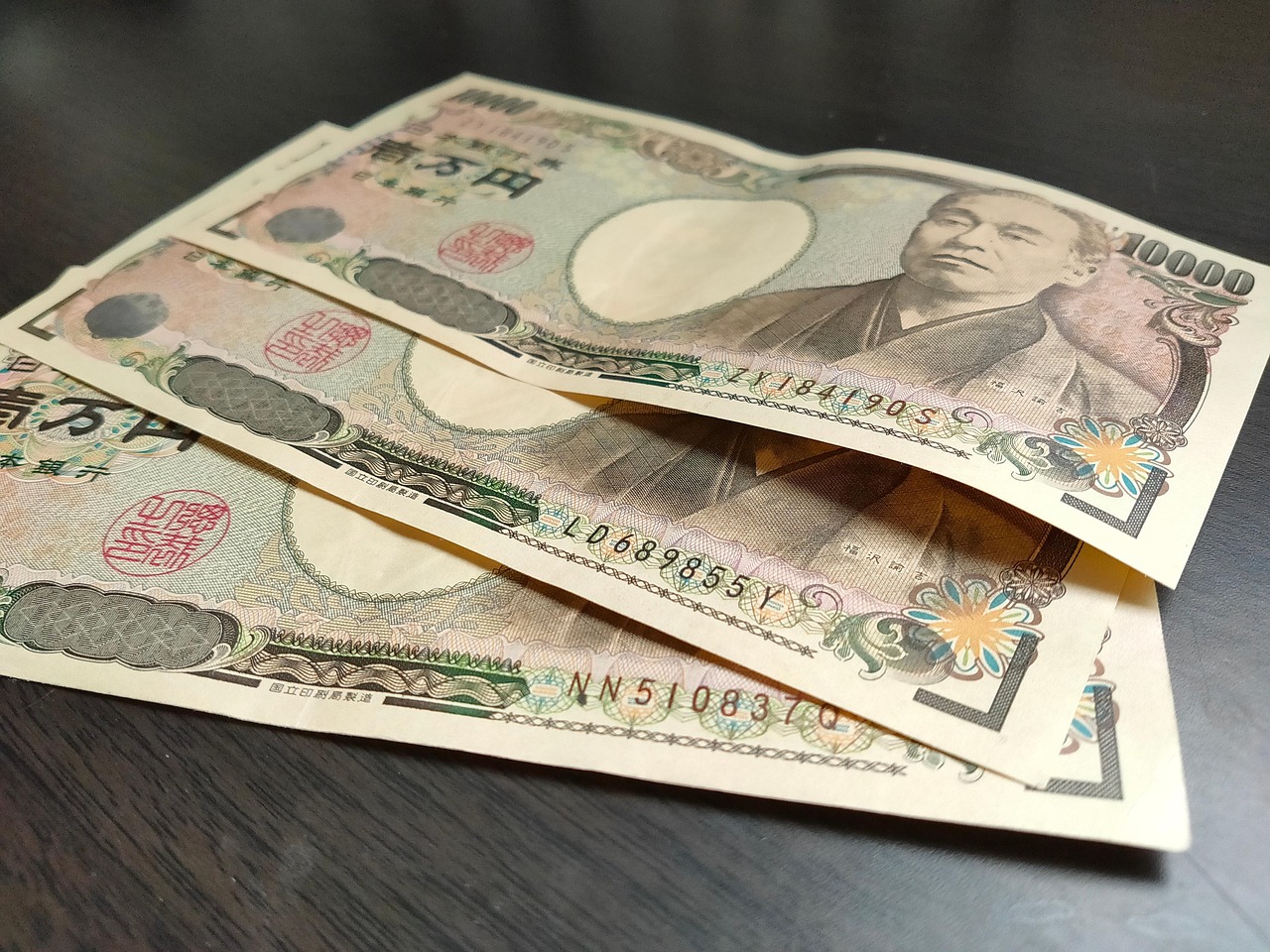
Most Asian currencies traded within a narrow range on Wednesday as the U.S. dollar steadied following a strong rebound over the past week, while the Japanese yen underperformed amid growing political uncertainty ahead of a snap election. Currency markets across the region remained cautious as investors assessed key global developments, including U.S. monetary policy signals and domestic political risks in Japan.
The dollar showed signs of stabilization after rallying sharply from recent four-year lows. This rebound was largely driven by U.S. President Donald Trump’s nomination of Kevin Warsh as the next Federal Reserve Chair. Warsh is widely perceived as less dovish than previous expectations, prompting markets to reassess the outlook for U.S. interest rates. While a brief U.S. government shutdown had little lasting impact on the greenback, attention has now shifted to whether Warsh will secure Senate confirmation and how his leadership could influence future rate decisions once Jerome Powell’s term ends in May. Investors are also closely watching upcoming U.S. economic data, particularly January’s nonfarm payrolls report, for further direction.
In Asia, the Japanese yen weakened further, with the USD/JPY pair rising close to a two-week high. The yen came under pressure after comments from Prime Minister Sanae Takaichi fueled speculation that Japan may refrain from intervening in currency markets. Investor focus is firmly on the snap lower house election scheduled for February 8. Expectations of a strong showing for Takaichi’s party have raised concerns about increased fiscal spending, which could exacerbate Japan’s already elevated government debt. These worries have weighed heavily on Japanese government bonds and the yen alike.
Elsewhere, the Indian rupee remained relatively firm after a recent U.S.-India trade deal helped it recover from record lows. The USD/INR pair hovered around the low-90 range as markets awaited a Reserve Bank of India policy decision later this week. The Australian dollar held onto gains after the Reserve Bank of Australia delivered a hawkish interest rate hike, reinforcing expectations of tighter monetary policy. Other Asian currencies, including the South Korean won, Chinese yuan, Singapore dollar, and Taiwan dollar, showed modest and largely range-bound movements, reflecting a cautious regional sentiment amid global macro uncertainty.







