


 US DOT Ends Airline Privacy Review Without Enforcement
  Florida Seeks Tougher Meta Rules to Protect Young Users
  Lincoln University Students Sue Missouri Over Decades of Underfunding
  TikTok Accused of Testing Fake Safety Tools on Users
  TSA Removes Chairs for Airport ID Check Officers
  Judge Blocks Trump Election Conditions on Counterterrorism Grants
  Crypto Rallies as CLARITY Act Failure Opens Door to Faster SEC Rules
  Judge Orders Trump to Restore White House Access for CNN, MS NOW and Politico
  Fairshake Backs 32 Pro-Crypto House Candidates
  US Backs Musk in Fight Against EU’s €120 Million X Fine
  Pentagon Orders Iran Strike Preparations as Trump Weighs Military Action
  Maduro, Wife May Face New US Torture Charges
  Saudi Arabia Probes Flydubai Cockpit Attack
  Mexico Bars Dual Citizens From Presidential Races Starting in 2028
  Mike Rogers Calls for End to US-Canada Tariff War
  Trump Asks Supreme Court to Restore Third-Country Deportations
  US Pressures Allies to Distance From Anti-Disinformation Conference


 Add as a preferred source on Google
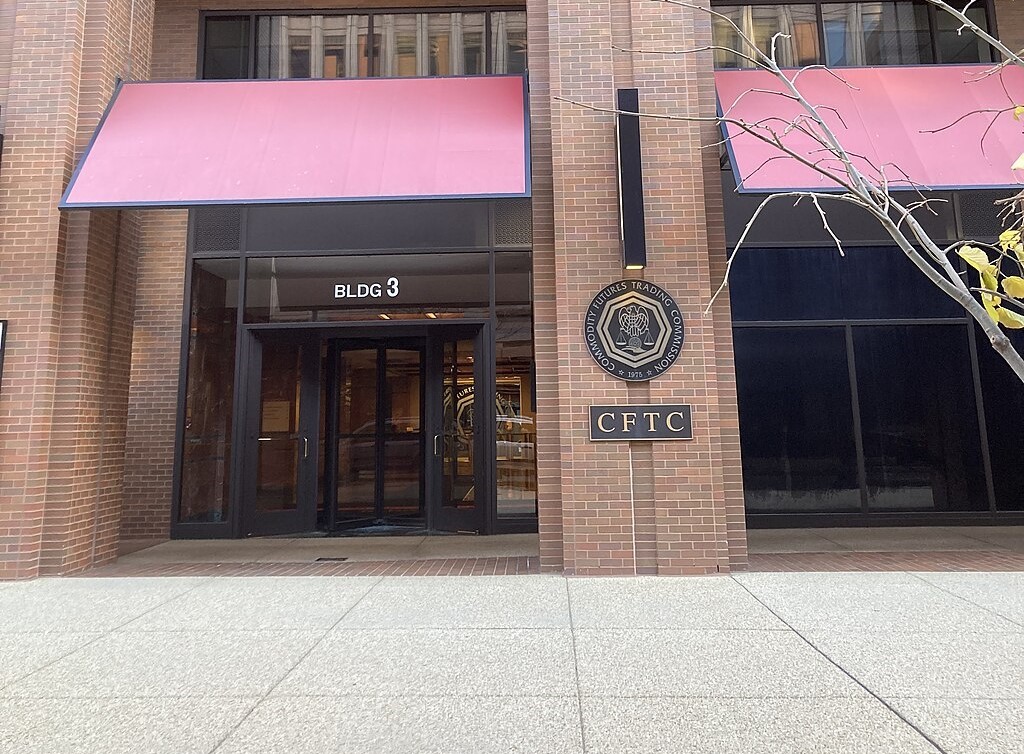
The Trump administration has filed lawsuits against Arizona, Connecticut, and Illinois, seeking to halt what federal officials describe as unlawful state interference in the growing prediction markets industry. The legal action centers on whether state gambling laws can be applied to companies operating federally regulated event contract platforms.
The Commodity Futures Trading Commission filed the suits, arguing that state regulators overstepped their authority by issuing cease-and-desist orders to prediction market operators including Kalshi, Polymarket, Crypto.com, and Robinhood. According to the CFTC, federal law grants it exclusive jurisdiction over national swaps markets, making state-level enforcement actions unconstitutional.
Prediction markets, also known as event contracts, allow users to trade based on the anticipated outcomes of real-world events — ranging from sporting results to political elections. These platforms have grown significantly in popularity, attracting millions of users and substantial investment interest.
CFTC Chairman Michael Selig defended the agency's position, stating the regulator would continue protecting its exclusive authority and shield market participants from what he called overzealous state regulators. The lawsuits name Democratic governors and attorneys general in all three states, including Arizona's Katie Hobbs and Kris Mayes, Connecticut's Ned Lamont and William Tong, and Illinois' JB Pritzker and Kwame Raoul.
State officials pushed back strongly. Connecticut Attorney General William Tong called the federal action a recycled industry argument previously rejected by district courts. Illinois officials accused the administration of ignoring state jurisdiction while prioritizing corporate profits over consumer protections.
Arizona escalated the dispute further by filing criminal charges against Kalshi in March — the first such state criminal case — accusing the company of facilitating illegal gambling and unlicensed election wagering. Kalshi denied the allegations, arguing it operates under federal oversight and should not be subject to a fragmented set of state regulations.







