


 Trump Signs Executive Order Threatening 25% Tariffs on Countries Trading With Iran
  Japan Election 2026: Sanae Takaichi Poised for Landslide Win Despite Record Snowfall
  Silver Prices Plunge in Asian Trade as Dollar Strength Triggers Fresh Precious Metals Sell-Off
  U.S.-India Trade Framework Signals Major Shift in Tariffs, Energy, and Supply Chains
  South Korea’s Weak Won Struggles as Retail Investors Pour Money Into U.S. Stocks
  Japanese Pharmaceutical Stocks Slide as TrumpRx.gov Launch Sparks Market Concerns
  Norway Opens Corruption Probe Into Former PM and Nobel Committee Chair Thorbjoern Jagland Over Epstein Links
  U.S. Lawmakers to Review Unredacted Jeffrey Epstein DOJ Files Starting Monday
  Trump Endorses Japan’s Sanae Takaichi Ahead of Crucial Election Amid Market and China Tensions
  Japan Economy Poised for Q4 2025 Growth as Investment and Consumption Hold Firm
  China Warns US Arms Sales to Taiwan Could Disrupt Trump’s Planned Visit
  Trump Signs “America First Arms Transfer Strategy” to Prioritize U.S. Weapons Sales
  Jack Lang Resigns as Head of Arab World Institute Amid Epstein Controversy
  India–U.S. Interim Trade Pact Cuts Auto Tariffs but Leaves Tesla Out
  U.S. Announces Additional $6 Million in Humanitarian Aid to Cuba Amid Oil Sanctions and Fuel Shortages
  Trump Allegedly Sought Airport, Penn Station Renaming in Exchange for Hudson River Tunnel Funding
  Bank of Japan Signals Readiness for Near-Term Rate Hike as Inflation Nears Target


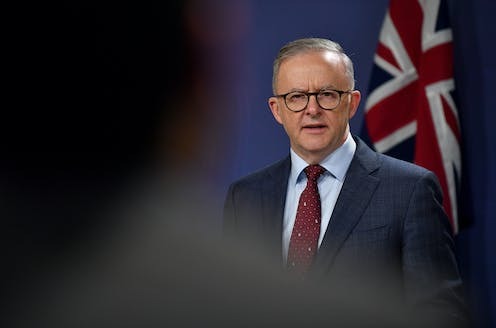
Australian Prime Minister Anthony Albanese has condemned U.S. President Donald Trump’s decision to impose a 10% tariff on Australian imports, calling it "not the act of a friend." The move impacts Australian beef exports, which surged to A$4 billion last year due to declining U.S. production. Trump, speaking at the White House, cited Australia's ban on U.S. beef over mad cow disease concerns as justification, despite Australia never detecting the disease domestically.
Albanese emphasized that the U.S. tariff disregards the long-standing Australia-U.S. alliance, especially given that American goods enter Australia tariff-free. He ruled out imposing reciprocal tariffs, warning it would raise prices for Australian consumers and hinder economic growth. Instead, Australia plans to negotiate for a rollback without activating the dispute resolution mechanism in the Free Trade Agreement.
Amid election campaigning, opposition leader Peter Dutton criticized Albanese for failing to secure a tariff exemption and urged leveraging Australia’s strategic mineral resources and defense ties. Albanese noted that all diplomatic avenues were explored, even seeking insights from Australian golf icon Greg Norman, a known Trump associate.
The tariffs come amid broader tensions, with Australia refusing to compromise on biosecurity, pharmaceutical subsidies, and regulation of U.S. tech platforms. Albanese announced a A$1 billion fund to support affected exporters in finding new markets.
The tariffs also raise concerns across the Indo-Pacific, potentially benefiting China, and highlighting shifting trade dynamics. While exports to the U.S. represent under 5% of Australia’s total, China remains its largest trading partner. Trade Minister Don Farrell stated Australia is expanding into markets like India and the Middle East and aims to revive stalled EU trade talks.
Despite the setback, Australia’s farmers remain resilient, with the National Farmers Federation calling the tariffs a “disappointing step backward.”













