


 Energy Prices and Dollar Climb as U.S.-Iran Conflict Grips Global Markets
  European Stocks Hold Steady as Iran Ceasefire Deadline Looms
  Trump-Iran Ceasefire Sends Dollar Tumbling as Global Currencies Surge
  Trump Suspends Iran Strikes for Two Weeks as Ceasefire Talks Begin
  India's Central Bank Holds Rates Amid Iran War Energy Shock
  Asian Currencies Hold Steady as Trump's Iran Deadline Rattles Markets
  U.S.-Iran Ceasefire: Fragile Truce Raises Hopes for Strait of Hormuz Peace Deal
  RBI Holds Interest Rates Steady Amid Middle East Tensions and Global Uncertainty
  U.S. Futures Slip as Iran Rejects Ceasefire and Trump Deadline Looms
  ECB Warns of Rising Inflation Risks Amid Iran War Energy Shock
  Xi Jinping Pushes Demand-Driven Strategy to Modernize China's Service Sector
  Gold Prices Surge to Three-Week High as Trump-Iran Ceasefire Weakens Dollar
  RBNZ Holds Rates at 2.25% as Middle East Conflict Fuels Inflation Concerns
  Asian Stocks Surge as U.S.-Iran Ceasefire Deal and Samsung Earnings Boost Market Confidence
  U.S. Stock Futures Surge as Trump Announces Iran Ceasefire, Oil Prices Plunge
  Asian Currencies Rally as Dollar Weakens, Trump-Iran Ceasefire Boosts Risk Sentiment


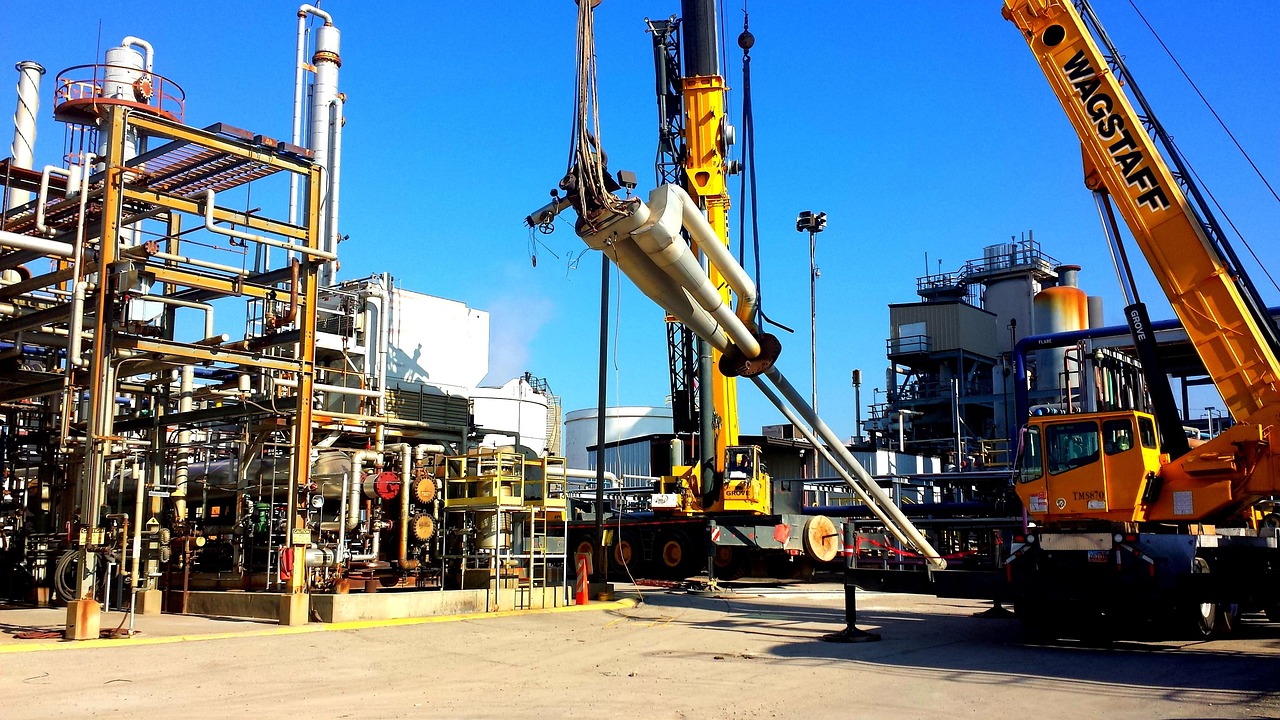
Oil prices slumped more than 3% on Monday, extending last week’s losses as escalating trade tensions between the U.S. and China fueled fears of a global recession and weakening crude demand. Brent crude futures fell $2.28, or 3.5%, to $63.30 a barrel, while U.S. West Texas Intermediate (WTI) dropped $2.20, or 3.6%, to $59.79—both hitting lows not seen since April 2021.
This follows Friday’s 7% plunge after China imposed new tariffs on U.S. goods in retaliation to President Trump’s latest trade measures. The intensifying trade war has spooked investors, with Brent and WTI falling 10.9% and 10.6% respectively over the past week.
Commodity analyst Satoru Yoshida of Rakuten Securities pointed to growing concerns that tariffs will hinder global economic growth, reducing energy demand. He also noted that a planned production increase by OPEC+ is contributing to downward pressure on oil prices. Yoshida warned that WTI could dip to $55 or even $50 if stock markets continue to decline.
Although imports of oil, gas, and refined products were exempt from the new tariffs, analysts say the broader impact could still lead to higher inflation, slower global growth, and further volatility in energy markets.
Federal Reserve Chair Jerome Powell acknowledged that the tariffs are “larger than expected,” with potential economic consequences including weaker growth and increased inflation.
Meanwhile, OPEC+ ministers emphasized over the weekend the need for full compliance with output targets and demanded that overproducing members submit compensation plans by April 15. The push for tighter discipline comes amid mounting pressure on oil prices from both economic and supply-side challenges.
The combination of trade war uncertainty, recession risks, and rising production is expected to weigh on oil markets in the near term.







