


 BOJ Rate Hike to 1% by June in Focus as Inflation and Weak Yen Pressure Mount
  Wall Street Futures Tumble as U.S.-Iran Conflict Escalates and Oil Prices Surge
  Wall Street Closes Mixed as Tech Stocks Rally Despite U.S.–Iran Escalation and Oil Price Surge
  Central and Southeast Europe Economic Outlook: Hungary, Croatia and Serbia Data in Focus
  Oil Prices Surge 13% as U.S.-Israel Strikes on Iran Spark Supply Fears
  RBA Raises Interest Rates to 3.85% as Inflation Pressures Persist
  Argentina Tax Reform 2026: President Javier Milei Pushes Lower Taxes and Structural Changes
  Fed Minutes Signal Steady Interest Rates but Hint at Potential Rate Hikes if Inflation Persists
  Japan Signals Possible Currency Intervention as Yen Slides to 157.3 Amid Middle East Tensions
  Australia Housing Market Hits Record High Despite RBA Rate Hike
  BOJ Governor Ueda Meets PM Takaichi as Markets Eye Possible Rate Hike
  ASX CEO Exit Signals Turbulent Transition Amid Lawsuit and Regulatory Scrutiny
  RBNZ Holds OCR at 2.25% as Inflation Set to Ease Toward 2% Target
  S&P Global Warns of Potential Downgrade for Berkshire’s PacifiCorp Over Oregon Wildfire Liabilities


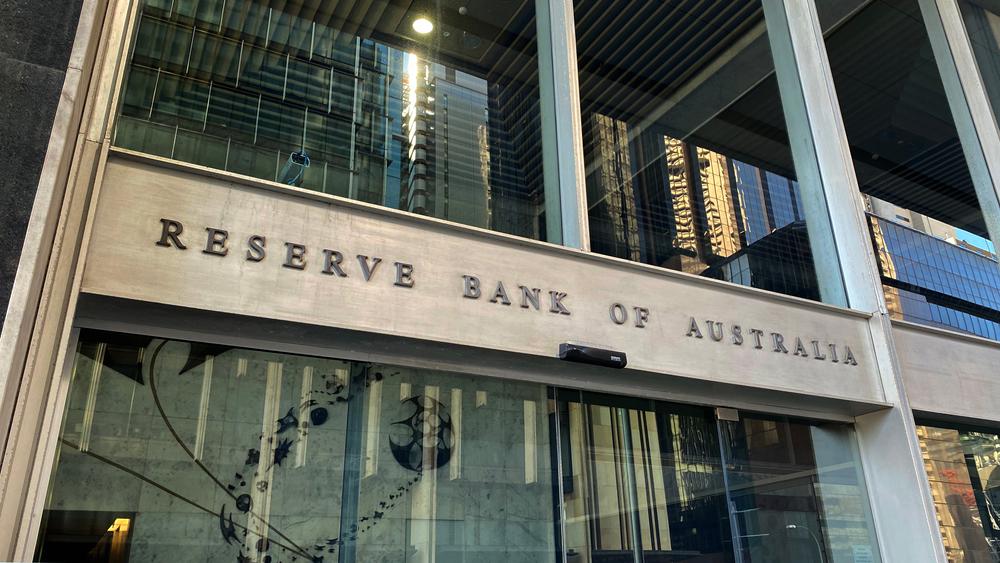
A senior official at the Reserve Bank of Australia (RBA) has reinforced the central bank’s firm commitment to curbing inflation, warning that price pressures remain uncomfortably high despite signs of resilience across the economy. Speaking on Wednesday at a business lunch, RBA Deputy Governor Andrew Hauser emphasized that policymakers are prepared to take all necessary steps to bring inflation back under control.
Hauser noted that while several sectors of the Australian economy are performing strongly, overall economic growth is beginning to strain against existing capacity constraints. This imbalance, he explained, is contributing to ongoing inflationary pressures, making it harder for price growth to return to the RBA’s target range. His comments underline growing concern within the central bank that inflation risks remain elevated even as parts of the economy continue to expand.
Last week, the RBA raised its benchmark cash rate by 25 basis points to 3.85%, marking a shift in monetary policy direction. The move effectively reversed one of the three interest rate cuts delivered last year, signaling that the era of easing may be over for now. The rate hike reflects the central bank’s assessment that inflation is proving more persistent than previously expected, requiring a tighter policy stance.
Importantly, the RBA also made clear that further interest rate increases are possible if inflation does not slow in line with forecasts. Hauser’s remarks suggest policymakers are closely monitoring economic data, including labor market conditions, consumer spending, and business investment, to determine whether additional tightening will be needed. The message to markets and businesses was clear: controlling inflation remains the top priority, even if it means restraining growth.
For households and businesses, the RBA’s stance signals a continued period of higher borrowing costs, with implications for mortgages, loans, and investment decisions. However, central bank officials argue that restoring price stability is essential for sustainable long-term economic growth. As inflation continues to challenge policymakers, the RBA’s willingness to act decisively underscores its determination to prevent high prices from becoming entrenched in the Australian economy.













