


 U.S.-Israel War on Iran Escalates as Gulf Conflict Disrupts Oil, Air Travel and Regional Security
  RBA Signals Possible March Rate Hike as Energy Risks Threaten Inflation Outlook
  South Korea Manufacturing PMI Rises for Third Month on Strong Semiconductor Demand
  Gold Prices Surge Over 2% After U.S.-Israel Strikes on Iran Spark Safe-Haven Demand
  Australian Job Advertisements Hit 16-Month High as Labour Market Stays Resilient
  Oil Prices Surge 13% as U.S.-Israel Strikes on Iran Spark Supply Fears
  Strait of Hormuz Oil and LNG Shipments Disrupted After U.S.-Israel Strikes on Iran
  MOEX Russia Index Hits 3-Month High as Energy Stocks Lead Gains
  Argentina Tax Reform 2026: President Javier Milei Pushes Lower Taxes and Structural Changes
  Dollar Rallies as Middle East Conflict Weighs on Yen and Euro, Lifts Safe-Haven Demand
  ASX CEO Exit Signals Turbulent Transition Amid Lawsuit and Regulatory Scrutiny
  Australia Housing Market Hits Record High Despite RBA Rate Hike
  Wall Street Closes Mixed as Tech Stocks Rally Despite U.S.–Iran Escalation and Oil Price Surge
  Asian Currencies Slide as US-Israel Strikes on Iran Trigger Oil Surge and Risk-Off Rally
  Wall Street Futures Tumble as U.S.-Iran Conflict Escalates and Oil Prices Surge
  Global Markets React as Dollar Surges, Swiss Franc Rallies After U.S.-Israel Strike on Iran
  Rachel Reeves Signals Fiscal Discipline in UK Budget Update Amid Middle East Tensions


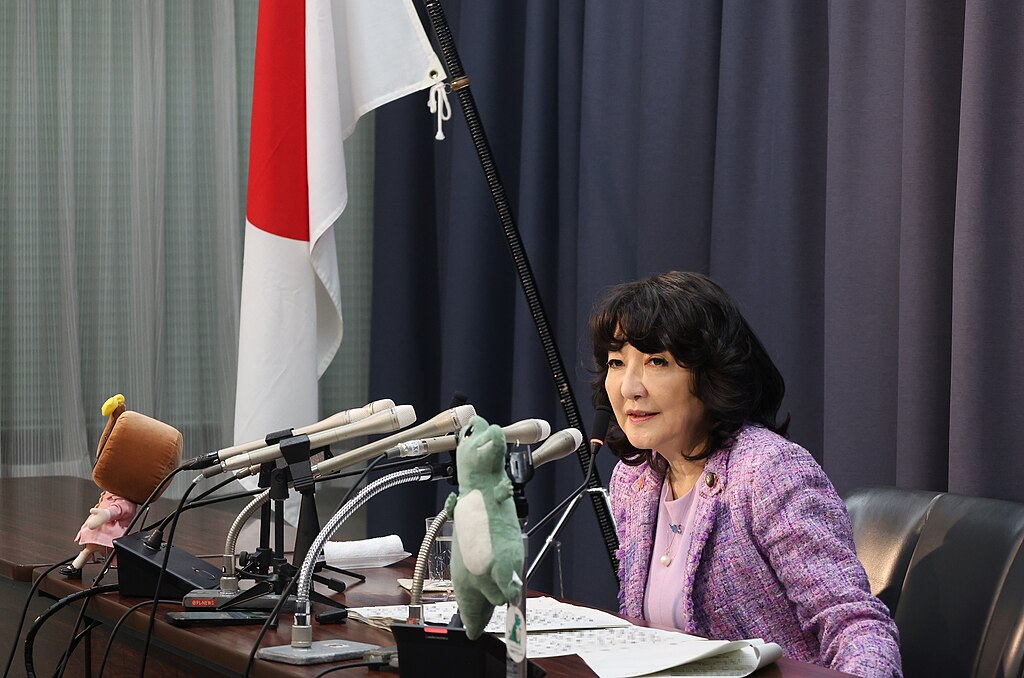
Japan’s Finance Minister Satsuki Katayama said authorities are maintaining close coordination with overseas financial officials and monitoring global financial markets with an “extremely strong sense of urgency” as volatility intensifies due to the escalating Middle East conflict. Her remarks come as the Japanese yen weakens sharply against the U.S. dollar, heightening speculation about potential currency intervention.
Speaking to reporters on Tuesday, Katayama emphasized that Japan is exercising a high level of vigilance in response to rapid market fluctuations. She noted that Tokyo shares a mutual understanding with the United States, established last year, regarding foreign exchange stability. According to Katayama, this framework naturally includes the possibility of direct intervention in the currency market if excessive volatility persists. She stressed that authorities stand ready to respond with even greater urgency if needed.
The yen fell further overnight, trading around 157.3 per dollar early Tuesday. Rising concerns over higher oil prices, triggered by geopolitical tensions in the Middle East, have pressured currencies of energy-importing nations like Japan. As crude prices climb, fears of increased import costs and widening trade deficits have weighed heavily on the yen. Meanwhile, the U.S. dollar gained strength from safe-haven demand as investors sought stability amid uncertainty surrounding the regional conflict.
Addressing the impact of safe-haven flows into the dollar, Katayama said that regardless of market movements, Japan’s priority remains close communication with international counterparts. She underscored the importance of carefully assessing foreign exchange trends and taking appropriate measures to stabilize markets if necessary.
Investors are now closely watching Japan’s next move, particularly as yen depreciation raises concerns about inflation, import costs, and broader economic stability. Market participants expect continued scrutiny from Japanese authorities as geopolitical risks and currency volatility remain elevated.













