


 Asian Stocks Surge on Trump's Iran War Comments and Dip-Buying
  South Korea's Inflation Rises Modestly in March Amid Oil Price Pressures
  Oil Prices Hold Near Multi-Year Highs Amid Iran Conflict and Hormuz Supply Fears
  Trump Expands Tariffs on Pharmaceuticals and Metals One Year After Liberation Day
  Gold Prices Drop as Trump Escalates Iran Threats, Oil Surges
  U.S. Stock Futures Steady Amid Iran Ceasefire Talks and Trump Address
  U.S. Warplane Shot Down by Iran Amid Escalating Middle East Conflict
  Japan's Services Sector Growth Slows in March Amid Rising Middle East Tensions
  Japan Signals Readiness to Intervene as Yen Weakens Toward 160 Per Dollar
  U.S. Dollar Climbs as Trump Escalates Rhetoric Against Iran
  March 2025 Jobs Report: Strong Headline Numbers Hide Deeper Economic Concerns
  UAE's Largest Natural Gas Facility Suspended After Attack-Triggered Fire
  Trump's Iran War Speech Sparks Market Anxiety Over Extended Conflict
  Australia's Trade Surplus Surges in February on Gold Export Boom
  Trump's Claim That the U.S. Can Cover Global Jet Fuel Shortfall Doesn't Add Up
  Japan Business Sentiment Rises as Iran War Fuels Inflation Fears, BOJ Rate Hike Looms
  China's Services Sector Maintains Growth Streak Despite March Slowdown


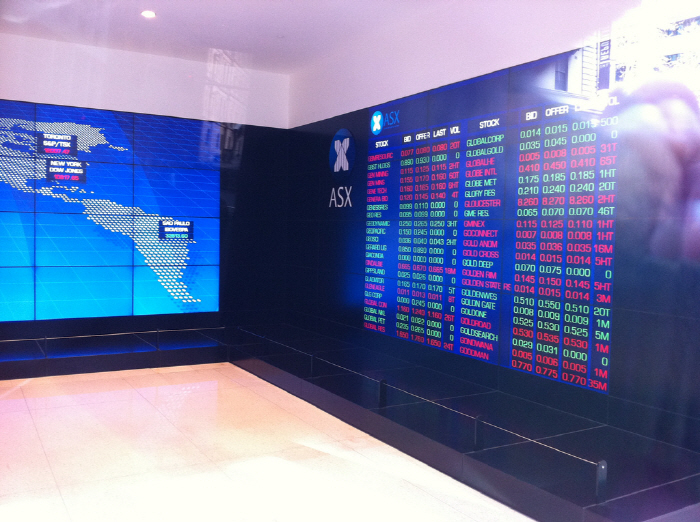
Australia’s corporate regulator has warned the country’s rapidly expanding pension fund industry that it must significantly increase investment in systems, technology, and governance to safeguard its future and avoid problems similar to those faced by the Australian Securities Exchange (ASX).
The Australian Securities and Investments Commission (ASIC) said the superannuation sector, currently valued at around A$4.5 trillion, is projected to grow to A$6 trillion by 2030. At that level, Australia’s pension fund industry would surpass the nation’s banking system in size, making it a critical pillar of the financial system and increasing the importance of operational resilience, technology capability, and strong governance frameworks.
ASIC Commissioner Simone Constant warned that some superannuation funds may not be adequately prepared for the scale and complexity that lies ahead. As more Australians retire and begin drawing down their retirement savings, pension funds will face growing pressure on their systems, data management, and operational capacity. Constant pointed to the ASX as a cautionary example, noting that inadequate technology investment and a failure to adopt a forward-looking approach had contributed to ongoing operational issues.
The ASX has faced years of criticism following a failed software upgrade and repeated trading system disruptions. In December, ASIC imposed an additional A$150 million capital charge on the exchange after an inquiry raised concerns about its ability to operate secure and resilient market infrastructure. Regulators have questioned whether the ASX has kept pace with its critical role in Australia’s financial markets.
Meanwhile, the Australian Prudential Regulation Authority (APRA) has also raised concerns about governance weaknesses within the superannuation and wealth management sector. APRA Deputy Chair Margaret Cole said recent collapses of managed investment schemes highlighted deficiencies in investment governance, particularly around onboarding and monitoring of investment options offered to members. These failures resulted in financial losses for retirees who transferred their savings into the affected products.
Regulators have previously urged the pension fund industry to accelerate preparations for an estimated 2.5 million Australians expected to retire over the next decade. With retirement savings playing an increasingly central role in financial stability, authorities say stronger technology, governance, and operational practices are essential to protect members and the broader economy.







