


 Japan's Services Sector Growth Slows in March Amid Rising Middle East Tensions
  Gold Prices Surge as U.S.-Iran Ceasefire Talks Spark Market Optimism
  U.S. Dollar Climbs as Trump Escalates Rhetoric Against Iran
  RBI Clamps Down on Rupee NDF Activity, Banks Face Steeper Losses
  Gold Prices Drop as Trump Escalates Iran Threats, Oil Surges
  Trump Expands Tariffs on Pharmaceuticals and Metals One Year After Liberation Day
  South Korea Manufacturing PMI Hits 4-Year High in March 2025 Driven by Semiconductor Demand
  China's Services Sector Maintains Growth Streak Despite March Slowdown
  Oil Prices Surge Over $5 as Trump Vows to Continue Iran Strikes
  U.S. Job Market Braces for Slow Recovery Amid Middle East Tensions and Economic Uncertainty
  Trump's Claim That the U.S. Can Cover Global Jet Fuel Shortfall Doesn't Add Up
  Trump Threatens Escalation Against Iran, Warns of Infrastructure Strikes
  U.S. Stock Futures Stabilize Ahead of Good Friday as Investors Eye Jobs Report
  Oil Prices Climb as Middle East Conflict Keeps Supply Risks Elevated
  Japan Business Sentiment Rises as Iran War Fuels Inflation Fears, BOJ Rate Hike Looms
  Asian Stocks Drop as Trump Signals Iran War Escalation
  Trump's Iran War Speech Sparks Market Anxiety Over Extended Conflict


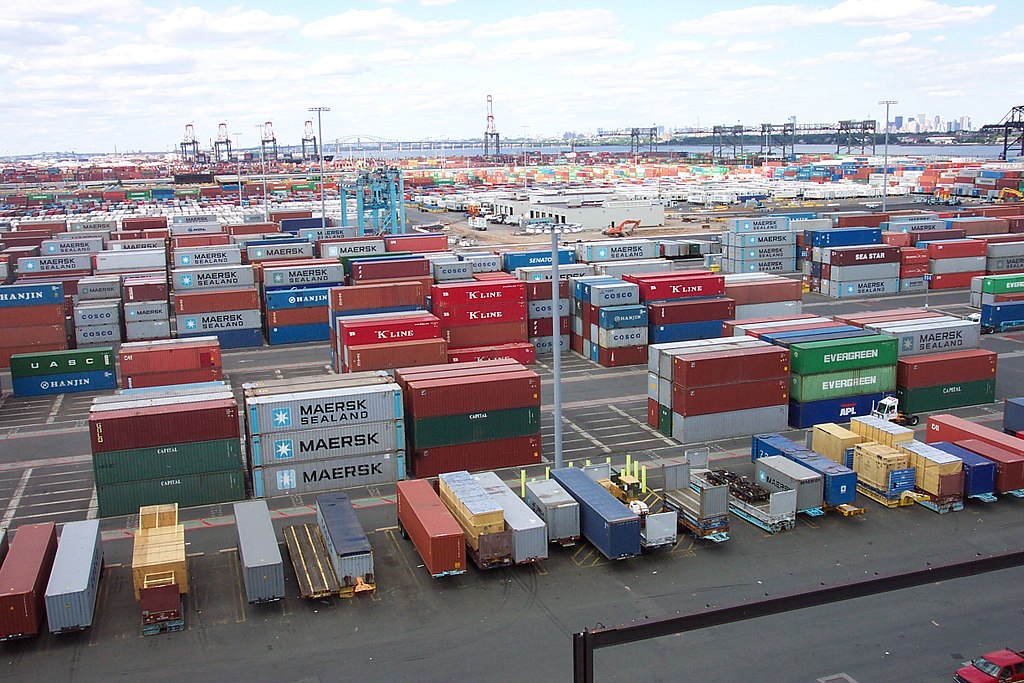
Australia recorded a smaller-than-expected trade surplus in December, highlighting continued pressure on the country’s export sector amid weak overseas demand and a strong Australian dollar. According to data released by the Australian Bureau of Statistics (ABS), Australia’s trade balance posted a surplus of A$3.37 billion in December, slightly below market expectations of a A$3.42 billion surplus. While the outcome missed forecasts, it still marked a notable improvement from November’s revised surplus of A$2.60 billion.
The month-on-month improvement in Australia’s trade balance was supported by a modest recovery in exports. Export volumes increased by 1% in December after a sharp 2.9% decline in November. This rebound suggests some stabilization in external demand, although overall export growth remains constrained. Commodity shipments, particularly to key trading partners such as China, Japan, and parts of Europe, remained relatively steady during the month. However, declines in metal exports and shipments of industrial goods continued to weigh on total export performance, underscoring uneven demand across sectors.
Another factor limiting export growth was the strength of the Australian dollar. The currency rallied to near three-year highs in recent months, making Australian goods more expensive for overseas buyers and reducing export competitiveness. The elevated exchange rate has become an increasing headwind for exporters, especially in price-sensitive global markets.
On the import side, Australian imports fell 0.8% month-on-month in December. The decline signals that domestic demand remains subdued, as households and businesses continue to grapple with the impact of high inflation and elevated interest rates. A strong Australian dollar also contributed to weaker import volumes, as it altered purchasing patterns and reduced demand for certain goods.
Overall, Australia’s December trade data reflects a fragile balance between modest export recovery and ongoing economic pressures at home and abroad. While the larger trade surplus offers some support to the broader economy, subdued global demand, currency strength, and soft domestic consumption suggest that trade conditions may remain challenging in the near term.







