


 Jack Lang Resigns as Head of Arab World Institute Amid Epstein Controversy
  U.S. Lawmakers to Review Unredacted Jeffrey Epstein DOJ Files Starting Monday
  Trump Signs “America First Arms Transfer Strategy” to Prioritize U.S. Weapons Sales
  Netanyahu to Meet Trump in Washington as Iran Nuclear Talks Intensify
  Norway Opens Corruption Probe Into Former PM and Nobel Committee Chair Thorbjoern Jagland Over Epstein Links
  Federal Judge Restores Funding for Gateway Rail Tunnel Project
  Trump Endorses Japan’s Sanae Takaichi Ahead of Crucial Election Amid Market and China Tensions
  Trump Backs Nexstar–Tegna Merger Amid Shifting U.S. Media Landscape
  U.S. to Begin Paying UN Dues as Financial Crisis Spurs Push for Reforms
  South Korea Assures U.S. on Trade Deal Commitments Amid Tariff Concerns
  Iran–U.S. Nuclear Talks in Oman Face Major Hurdles Amid Rising Regional Tensions
  China Warns US Arms Sales to Taiwan Could Disrupt Trump’s Planned Visit
  TrumpRx.gov Highlights GLP-1 Drug Discounts but Offers Limited Savings for Most Americans
  US Pushes Ukraine-Russia Peace Talks Before Summer Amid Escalating Attacks
  New York Legalizes Medical Aid in Dying for Terminally Ill Patients
  U.S. Announces Additional $6 Million in Humanitarian Aid to Cuba Amid Oil Sanctions and Fuel Shortages
  Japan Election 2026: Sanae Takaichi Poised for Landslide Win Despite Record Snowfall


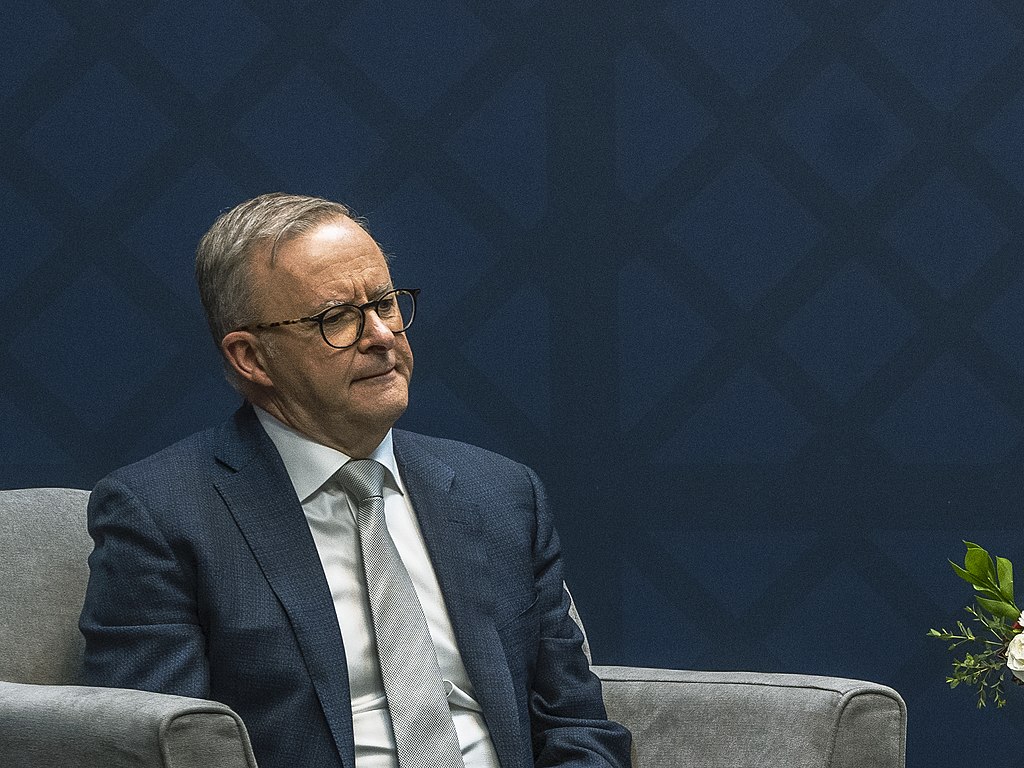
Australia’s center-left Labor Party, led by Prime Minister Anthony Albanese, secured a historic second consecutive term, marking the first such victory in two decades. With projections indicating the party will increase its majority in parliament from 77 to at least 85 seats, the win signals strong voter support amid growing global economic uncertainty, particularly over escalating U.S.-China trade tensions.
Treasurer Jim Chalmers emphasized the government’s priority will be managing the “dark shadow” cast by the U.S.-China trade war. Speaking to the Australian Broadcasting Corp, Chalmers stressed the need for stability as global markets react to U.S. tariffs and protectionist policies under President Donald Trump.
Albanese pledged to continue leading a disciplined and united government. “Australians voted for unity rather than division,” he said during a visit to his local Sydney coffee shop, a symbolic nod to his late mother and childhood roots.
The opposition conservative coalition, led by Peter Dutton, suffered a major blow as Dutton lost his seat. Analysts noted that while inflation and cost-of-living concerns initially dominated voter sentiment, the opposition’s proposal to slash the federal workforce and mandate five-day in-office workweeks alienated urban voters, particularly women. Trump’s April 2 tariff announcement further fueled fears over pension fund impacts, shifting voter focus toward economic stability.
Former conservative MP Keith Wolahan admitted his party misjudged the electorate’s priorities, especially in urban regions. “We need to think hard about who we are and who we fight for,” he said.
With more than two-thirds of votes counted, final tallies are expected Monday. As geopolitical tensions grow, Australia’s newly re-elected government is set to navigate a complex global landscape while maintaining domestic cohesion and economic resilience.













