


 Samsung to Launch First Yongin Chip Plant by 2029 as South Korea Speeds Up Semiconductor Hub
  SoftBank Corp Partners With Sierra to Expand AI Customer Support Across Japan
  SK Hynix’s $28B U.S. IPO Draws Strong Demand as AI Chip Boom Fuels Investor Interest
  Nvidia Invests $500M in Firmus Technologies Ahead of Planned ASX IPO
  SK Hynix Soars 13% in Nasdaq Debut After Record $26.5 Billion IPO
  Morgan Stanley Names Marks & Spencer Top European Retail Pick, Sees Strong Upside
  Zhipu AI Stock Jumps on Report of Custom AI Chip Development Plans
  AstraZeneca Shares Sink After Wainua Trial Misses Key Heart Disease Goal
  Bain Capital Exits Kioxia After AI-Fueled Valuation Surge
  OpenAI Executive Fidji Simo to Step Down Amid Health Challenges Ahead of IPO
  Elon Musk Says Anthropic Leads AI Race as Claude Models Challenge OpenAI
  Samsung Chairman Lee Jae-yong Expected to Meet Nvidia CEO Jensen Huang on AI and Chip Partnership
  UBS Starts CarTrade Tech With Buy Rating, Sees Strong Earnings Growth and ₹4,000 Target
  Apple Sues OpenAI, Former Employees Over Alleged Trade Secret Theft
  Morgan Stanley Says China’s Reusable Rocket Progress Poses Long-Term Challenge to SpaceX
  Yaskawa Electric Shares Slide as Weak Profit Overshadows Strong AI Demand


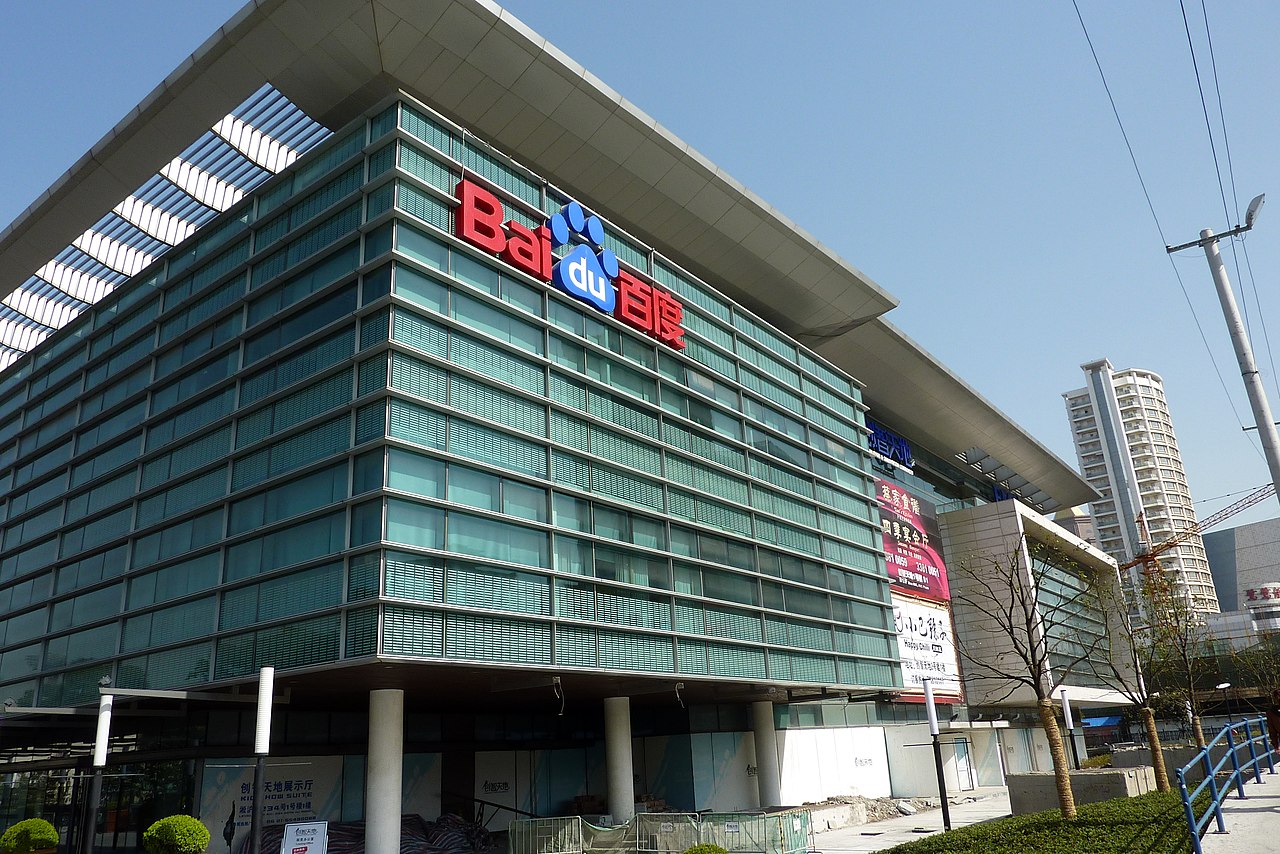
JPMorgan has taken a more bullish stance on Baidu, upgrading the Chinese tech giant to Overweight from Neutral and sharply increasing its price target from $110 to $188. The firm said Baidu is entering a new growth phase driven primarily by artificial intelligence and cloud computing—two areas seeing strong momentum as China accelerates its push for domestic technology self-reliance.
According to JPMorgan, Baidu’s investment appeal is shifting decisively away from its legacy advertising business and toward the rapid monetization of its AI ecosystem. The bank emphasized that China’s rising demand for AI compute, coupled with government support for nationwide AI infrastructure, is setting the stage for Baidu to scale its next-generation technologies faster than previously expected.
A major part of this growth story is Baidu’s in-house Kunlun AI chips, which JPMorgan says will play a central role in the company’s expanding cloud operations. Baidu’s cloud revenue is projected to rise 23% in 2025 before accelerating to an impressive 61% in 2026. The report highlights that Kunlun chips are gaining broader adoption across Chinese hyperscalers, telecom operators, and state-owned enterprises—an adoption trend amplified by U.S. export restrictions on advanced AI chips. Investors, JPMorgan noted, have significantly underestimated the value of Baidu’s AI-driven cloud segment, estimating it alone to be worth roughly $34 billion, more than half of the bank’s updated valuation.
The firm also pointed to strong recurring revenue from GPU-based cloud subscriptions, which surged 128% year-on-year in Q3 and are expected to more than double again in 2026. Baidu has now deployed over 30,000 accelerators, supporting both its own AI models and enterprise customers’ inference workloads.
While Baidu’s advertising revenue is still expected to decline—potentially another 10% drop in 2026 as AI-powered ad formats replace traditional search ads—JPMorgan believes the company’s expanding cloud and AI infrastructure will more than compensate for softness in legacy segments. Still, it warned of competitive pressure from Alibaba and Tencent, as well as uncertainties tied to a slower-than-expected recovery in digital advertising.
Overall, the upgrade reflects growing confidence that Baidu’s strategic bet on AI hardware, cloud services, and large-scale compute infrastructure is positioning the company for stronger long-term growth despite market challenges.







