


 Federal Reserve Faces Subpoena Delay Amid Investigation Into Chair Jerome Powell
  Bank of Canada Holds Interest Rate at 2.25% Amid Trade and Global Uncertainty
  China Extends Gold Buying Streak as Reserves Surge Despite Volatile Prices
  Trump’s Inflation Claims Clash With Voters’ Cost-of-Living Reality
  Oil Prices Slide on US-Iran Talks, Dollar Strength and Profit-Taking Pressure
  Bank of Japan Signals Cautious Path Toward Further Rate Hikes Amid Yen Weakness
  Japanese Pharmaceutical Stocks Slide as TrumpRx.gov Launch Sparks Market Concerns
  U.S. Stock Futures Slide as Tech Rout Deepens on Amazon Capex Shock
  Dollar Steadies Ahead of ECB and BoE Decisions as Markets Turn Risk-Off
  Trump Lifts 25% Tariff on Indian Goods in Strategic U.S.–India Trade and Energy Deal
  RBA Expected to Raise Interest Rates by 25 Basis Points in February, ANZ Forecast Says
  Silver Prices Plunge in Asian Trade as Dollar Strength Triggers Fresh Precious Metals Sell-Off


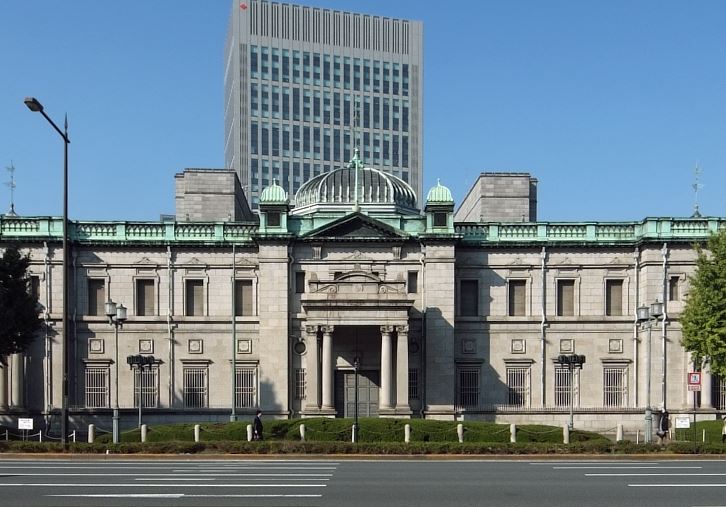
The Bank of Japan (BOJ) is under mounting pressure to raise interest rates sooner than expected after a rare board split in its latest policy meeting. While Governor Kazuo Ueda has maintained a cautious stance, dissent from two board members has signaled growing momentum for a rate hike, potentially as early as October.
Earlier this month, the BOJ kept its benchmark rate at 0.5%, but the push by Naoki Tamura and Hajime Takata for a 0.25% hike shocked markets. Analysts say the dissent reflects a broader board shift toward tightening, with concerns over persistent inflation outweighing worries about global economic risks.
Since taking office in 2023, Ueda oversaw Japan’s first rate hike in 17 years but has since grown more dovish, warning of downside risks. However, board members are increasingly worried about steady price rises in essential goods, which could fuel lasting inflationary pressure. Minutes from the July meeting already showed a majority supporting timely rate hikes.
Market participants now see a roughly 50% chance of a hike at the October 29-30 meeting, while a Reuters poll shows most economists expect another 25-basis-point hike by year-end, with October or January as the most likely windows. Key data, including the BOJ’s tankan survey on October 1 and regional business reports on October 6, will play a decisive role in shaping the outlook.
A weaker yen, hovering near the critical 150 per dollar level, adds further urgency. A continued decline would raise import costs and fuel inflation, pressuring the BOJ to act. Still, Ueda’s stance remains pivotal, and some analysts doubt he has enough evidence to justify an October move.
While the timing remains uncertain, the dissenting voices mark a turning point in the BOJ’s policy path, suggesting Japan’s ultra-loose monetary era may be ending sooner than expected.













