


 Asian Stocks Rally on Ceasefire Hopes and Bargain Buying
  J.P. Morgan Now Expects Two ECB Rate Hikes Amid Inflation Pressures
  Goldman Sachs, ANZ Cut Oil Forecasts Amid U.S.-Iran Ceasefire Hopes
  Bank of Japan Warns of Regional Economic Risks Amid Middle East Conflict and Rising Oil Prices
  Federal Reserve Probes Big Banks Over Private Credit Exposure Amid Growing Systemic Risk Concerns
  India's Central Bank Holds Rates Amid Iran War Energy Shock
  Colombia and Ecuador Trade War Escalates With Retaliatory Tariffs
  Iran War Fallout: How Sri Lanka, Pakistan, and Egypt Are Struggling With Rising Energy Costs
  Bank of Japan Governor Signals Accommodative Stance Amid Negative Real Rates
  Middle East Conflict Threatens Global Economic Stability, World Bank Warns
  Italy's Bond Market Under Pressure as Middle East Conflict Exposes Economic Fragility
  China's Factory-Gate Prices Rise for First Time in Over Three Years Amid Global Cost Pressures
  Trump Claims Oil Tankers Heading to U.S. Amid Iran War and Strait of Hormuz Crisis
  Goldman Sachs Raises ECB Rate Hike Forecast Amid Persistent Energy-Driven Inflation
  Spain's Sanchez Visits China to Deepen Trade Ties Amid U.S. Tensions
  Bank of Korea Nominee Shin Hyun-song Calls for Flexible Monetary Policy Amid Iran War Risks
  China's Inflation Data Misses Forecasts as Consumer Prices Slow in March


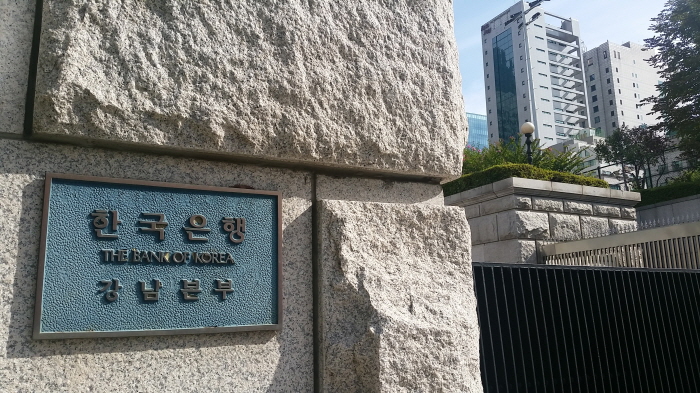
South Korea's Bank of Korea governor nominee, Shin Hyun-song, signaled on Monday that policymakers stand ready to intervene should the Korean won experience excessive depreciation. In written statements submitted to parliament ahead of his confirmation hearing scheduled for Wednesday, Shin emphasized the need for close monitoring of foreign exchange market conditions amid ongoing global uncertainty.
While the dollar-won exchange rate recently eased to around the 1,480 level, Shin noted that the won's decline since the outbreak of the Middle East conflict has been more pronounced compared to other major currencies. On Monday alone, the won slid as much as 1.1%, reaching 1,499.7 against the dollar, following the collapse of weekend negotiations between the United States and Iran over the ongoing war in the region.
Despite the currency's volatility, Shin reassured lawmakers that current liquidity conditions remain stable, suggesting that the exchange rate level itself is not yet a cause for alarm. He declined, however, to provide a specific outlook on where exchange rates are headed, keeping his forward guidance measured and cautious.
On the topic of monetary policy, Shin indicated that rising inflation pressures stemming from the Middle East conflict would be a primary consideration in future interest rate decisions, according to reporting by Yonhap News Agency. At the same time, he acknowledged that downward risks to economic growth are being partially offset by strong semiconductor exports and a government-approved extra budget.
Last week, the Bank of Korea held its benchmark policy interest rate steady while flagging significant uncertainty in the economic outlook. The central bank also revised its growth forecasts downward and raised its inflation projections, reflecting the complex challenges South Korea faces amid geopolitical tensions and shifting global trade dynamics.







