


 U.S. Stock Futures Slide as Tech Rout Deepens on Amazon Capex Shock
  Fed Governor Lisa Cook Warns Inflation Risks Remain as Rates Stay Steady
  Thailand Inflation Remains Negative for 10th Straight Month in January
  South Africa Eyes ECB Repo Lines as Inflation Eases and Rate Cuts Loom
  India–U.S. Interim Trade Pact Cuts Auto Tariffs but Leaves Tesla Out
  BOJ Policymakers Warn Weak Yen Could Fuel Inflation Risks and Delay Rate Action
  RBA Raises Interest Rates by 25 Basis Points as Inflation Pressures Persist
  Bank of Canada Holds Interest Rate at 2.25% Amid Trade and Global Uncertainty
  Asian Stocks Slip as Tech Rout Deepens, Japan Steadies Ahead of Election
  Vietnam’s Trade Surplus With US Jumps as Exports Surge and China Imports Hit Record
  Bank of England Expected to Hold Interest Rates at 3.75% as Inflation Remains Elevated
  Trump Endorses Japan’s Sanae Takaichi Ahead of Crucial Election Amid Market and China Tensions
  Gold and Silver Prices Rebound After Volatile Week Triggered by Fed Nomination


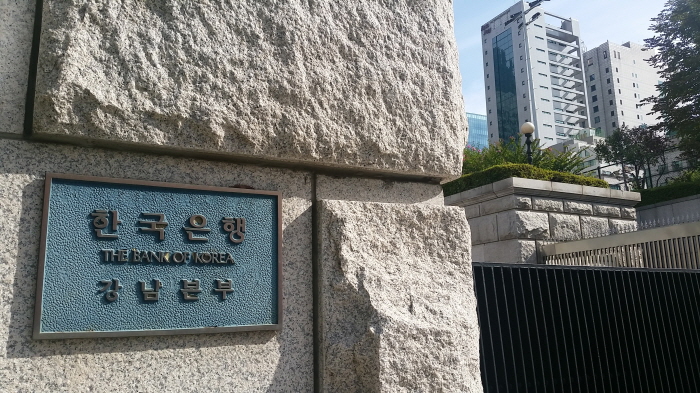
South Korea’s central bank kept its key interest rate steady at 2.75% on Thursday, aiming to stabilize the Korean won as global trade tensions escalate. The decision by the Bank of Korea (BOK) aligns with expectations from 24 of 37 economists surveyed by Reuters. Analysts now predict a rate cut to 2.25% by Q3 as U.S. tariff threats raise recession fears and dampen export outlooks for Asia’s fourth-largest economy.
The won briefly recovered some ground after the rate announcement but remains under pressure, having hit a 16-year low on April 9—levels last seen during the 2008 financial crisis. The market reaction was largely muted following the central bank’s policy review.
President Donald Trump’s sweeping tariff campaign, which includes a 25% levy on South Korean imports, has temporarily paused for three months, offering only brief respite. Finance Minister Choi Sang-mok noted the downside risks to growth and emphasized ongoing efforts to delay reciprocal tariffs through negotiations with Washington.
To cushion the economy, the Korean government is also preparing a supplementary budget worth 12 trillion won ($8.41 billion), with expectations of an additional 20 trillion won package by year-end. Standard Chartered economist Park Chong-hoon forecasts this spending could boost growth by 0.2–0.4 percentage points, though its effects may not be felt until 2026.
With South Korea’s presidential election set for June 3 following former President Yoon Suk Yeol’s impeachment, the nation faces both political and economic uncertainty. Park also expects the BOK to cut rates as early as May due to market volatility linked to U.S. trade policies.
BOK Governor Rhee Chang-yong will address the public in a livestreamed press conference on Thursday at 0210 GMT.













