


 MOEX Russia Index Closes Flat as Gold Surges and Ruble Strengthens
  Asian Currencies Slip as Dollar Stabilizes Ahead of U.S. CPI Data
  RBA Signals Further Interest Rate Hikes if Inflation Persists, Says Governor Michele Bullock
  BOJ Policymakers Warn Weak Yen Could Fuel Inflation Risks and Delay Rate Action
  Japan, U.S. Speed Up Talks on $550 Billion Investment Deal Amid Tariff Pressure
  Fed Governor Stephen Miran Warns Tight Monetary Policy Threatens U.S. Economic Growth
  Oil Prices Edge Higher as US-Iran Tensions and Strong Payroll Data Shape Market Sentiment
  U.S. Stock Futures Edge Higher Ahead of Holiday as Investors Await Key Economic Data
  RBI Holds Repo Rate at 5.25% as India’s Growth Outlook Strengthens After U.S. Trade Deal
  UK House Prices Hold Steady in February as Rightmove Reports Post-Budget Market Stability
  Australian Central Bank Signals Tough Stance as Inflation Pressures Persist
  Fed Governor Lisa Cook Warns Inflation Risks Remain as Rates Stay Steady
  Federal Reserve Faces Subpoena Delay Amid Investigation Into Chair Jerome Powell
  Why Trump’s new pick for Fed chair hit gold and silver markets – for good reasons
  Japan GDP Growth Slows Sharply in Q4 2025 Amid Weak Business Spending and Trade Tensions


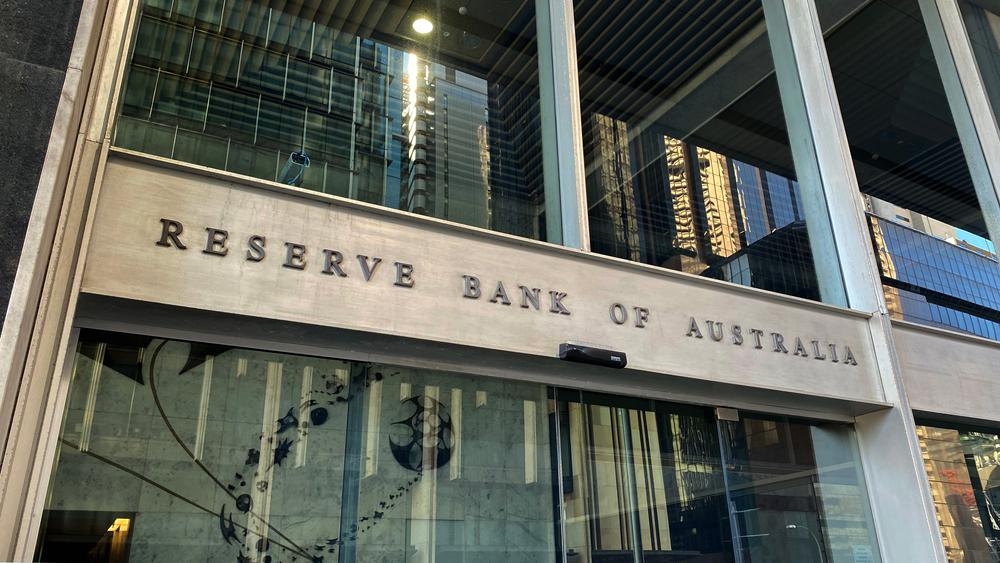
The Reserve Bank of Australia (RBA) raised interest rates by 25 basis points on Tuesday, lifting its benchmark cash rate to 3.85% from 3.65%, in a move that was widely anticipated by markets. The decision reflects the central bank’s growing concern over stubborn inflation and stronger-than-expected private demand in the Australian economy.
The rate hike follows a renewed rise in inflation toward the end of 2025, with core inflation once again climbing above the RBA’s long-standing target range of 2% to 3%. In its policy statement, the RBA signaled that further rate increases remain possible, noting that financial markets are now pricing in at least two additional hikes in 2026, a sharp shift from earlier expectations of a rate cut this year.
RBA Governor Michele Bullock emphasized that the central bank remains focused on balancing inflation control with employment stability. She clarified that a larger 50 basis point hike was not considered at the February meeting, underscoring that the overall monetary policy strategy has not changed. However, policymakers are increasingly questioning whether current financial conditions are restrictive enough, particularly as consumer spending and private demand continue to outperform forecasts.
The RBA revised its economic outlook, projecting that underlying inflation will peak at around 3.7% by mid-2026 and remain above the target range until early 2027. Headline consumer price index inflation is now expected to reach 3.6% in 2026, up from a previous forecast of 3.2%. Trimmed mean inflation is also forecast higher at 3.2% by the end of 2026.
While near-term GDP growth is expected to improve, the central bank warned that higher interest rates and persistent inflation could weigh on longer-term economic momentum. GDP growth is now forecast at 1.8% by the end of 2026, slightly lower than earlier estimates.
Financial markets reacted swiftly to the RBA decision. The Australian dollar jumped 1.1%, while the ASX 200 pared earlier gains but remained up 0.7%. Overall, investors interpreted the RBA’s tone as hawkish, reinforcing expectations that further interest rate hikes may be needed to restore price stability.













