


 FDA Targets Hims & Hers Over $49 Weight-Loss Pill, Raising Legal and Safety Concerns
  Prudential Financial Reports Higher Q4 Profit on Strong Underwriting and Investment Gains
  Alphabet’s Massive AI Spending Surge Signals Confidence in Google’s Growth Engine
  Once Upon a Farm Raises Nearly $198 Million in IPO, Valued at Over $724 Million
  TSMC Eyes 3nm Chip Production in Japan with $17 Billion Kumamoto Investment
  Sony Q3 Profit Jumps on Gaming and Image Sensors, Full-Year Outlook Raised
  American Airlines CEO to Meet Pilots Union Amid Storm Response and Financial Concerns
  Washington Post Publisher Will Lewis Steps Down After Layoffs
  CK Hutchison Launches Arbitration After Panama Court Revokes Canal Port Licences
  Amazon Stock Rebounds After Earnings as $200B Capex Plan Sparks AI Spending Debate
  Trump Backs Nexstar–Tegna Merger Amid Shifting U.S. Media Landscape
  SpaceX Pushes for Early Stock Index Inclusion Ahead of Potential Record-Breaking IPO
  Baidu Approves $5 Billion Share Buyback and Plans First-Ever Dividend in 2026
  Rio Tinto Shares Hit Record High After Ending Glencore Merger Talks
  Nvidia CEO Jensen Huang Says AI Investment Boom Is Just Beginning as NVDA Shares Surge
  Global PC Makers Eye Chinese Memory Chip Suppliers Amid Ongoing Supply Crunch


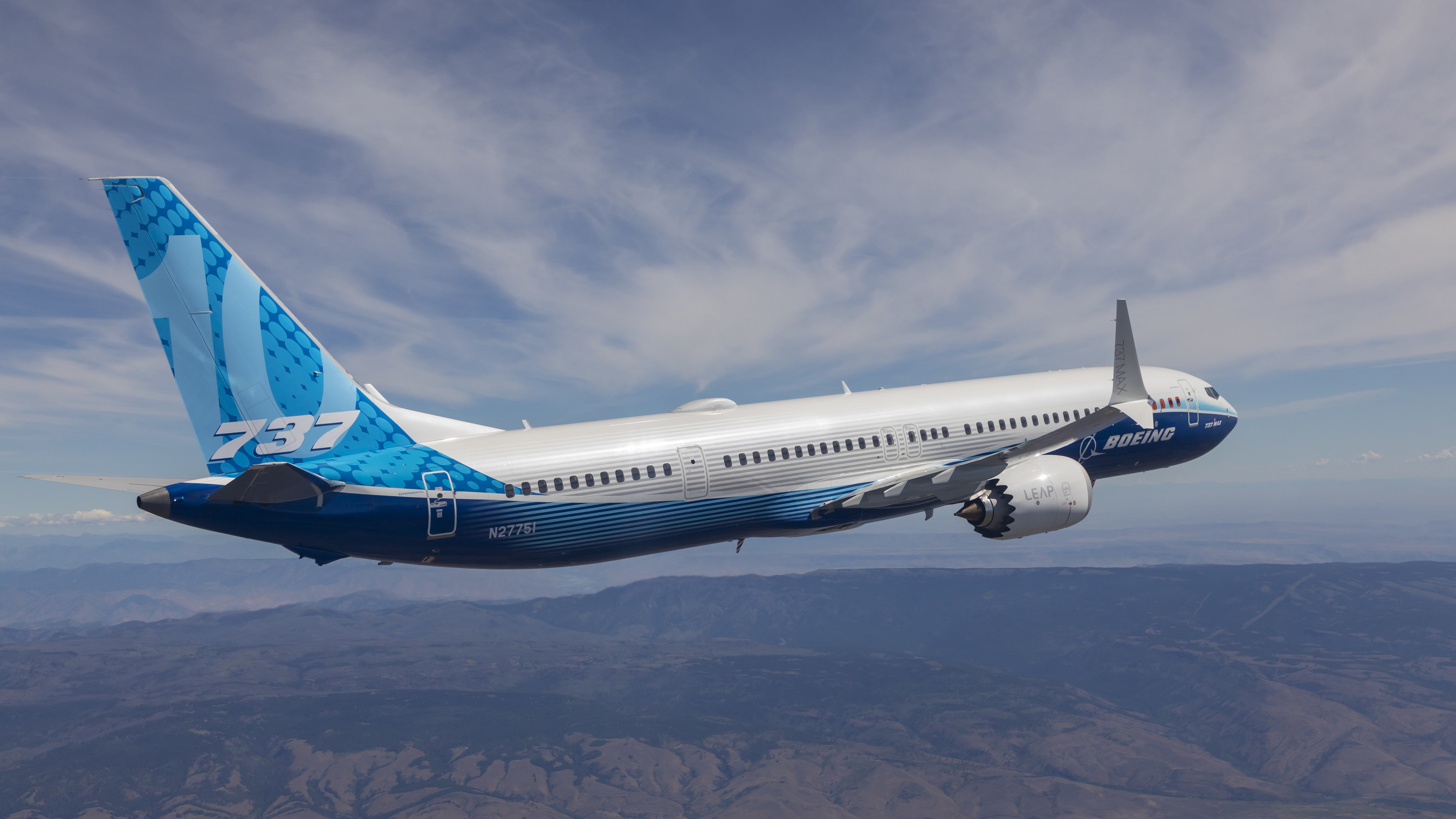
Boeing disclosed a notable drop in quarterly revenue, the first in seven quarters, amidst production setbacks triggered by a January incident involving a cabin door mid-air blowout. This mishap led to a slowdown in the production of its best-selling jets.
Despite these challenges, MSN noted that the aerospace giant surpassed Wall Street forecasts, which had been adjusted following the January incident. The first-quarter revenue decline to $16.57 billion from $17.92 billion the previous year was offset by better-than-expected performance metrics, notably a cash burn of $3.93 billion, surpassing analyst anticipations of a $4.49 billion outflow.
Production and Delivery Challenges
Following the unfortunate event on January 5th involving a nearly new 737 MAX 9 jet, the Federal Aviation Administration (FAA) imposed a production cap on Boeing's highly successful 737 MAX jets. Additionally, the FAA tasked Boeing with devising a comprehensive plan addressing systemic quality-control issues.
According to Reuters, this period saw Boeing navigate through heightened regulatory scrutiny, which impacted its production pace and delivery schedules. Boeing's CFO highlighted the ongoing delays in reaching the company's stated cash flow targets, underscoring the broader production and financial recovery challenges.
Strategic Moves and Market Response
After reporting the quarterly figures, Boeing's CEO Dave Calhoun shared insights during an interview with CNBC, hinting at a highly anticipated acquisition of its primary supplier, Spirit AeroSystems. Despite challenges in finalizing the terms of this complex deal, both entities have engaged in talks confirming their intention to tie up, potentially within the second quarter.
Boeing's shares saw a modest 1% uptick in early trading, reflecting investor response to the narrower-than-expected loss per share. Similarly, Spirit AeroSystems' shares enjoyed a 1% rise, signaling market optimism.
Looking Ahead
Boeing's path forward involves navigating the existing production and delivery hurdles while ensuring a relentless focus on quality and safety. CEO Calhoun, set to depart by year-end, has laid out a vision focusing on operational excellence and recovery.
Strong demand continues for Boeing's aircraft despite production constraints—a situation mirrored by its competitor, Airbus. Boeing aims to clear its inventory backlog by year's end. Furthermore, improvements are anticipated in Boeing's defense segment, aligning with historical performance levels and marking a gradual but strategic recovery phase for the aerospace giant.
Photo: PR Newswire













