


 Apple Sues OpenAI, Former Employees Over Alleged Trade Secret Theft
  Deutsche Bank Fined A$2 Million by ASIC Over OTC Derivatives Reporting Errors
  Morgan Stanley Says China’s Reusable Rocket Progress Poses Long-Term Challenge to SpaceX
  AstraZeneca Shares Sink After Wainua Trial Misses Key Heart Disease Goal
  SK Hynix Prices Record U.S. ADR Offering at $149 After $200 Billion Investor Demand
  Nvidia Invests $500M in Firmus Technologies Ahead of Planned ASX IPO
  Kitron Q2 Revenue Beats Estimates as Defense Demand Lifts Growth
  EU to Propose New Rules Limiting Children's Access to Social Media
  Elon Musk Says Anthropic Leads AI Race as Claude Models Challenge OpenAI
  Zhipu AI Raises HK$31.37 Billion in Discounted Share Sale to Accelerate AI Growth
  OpenAI GPT-5.6 Set for Wider Release After U.S. Commerce Approval, Report Says
  Australia Flags Child Safety Gaps at Apple, Meta, Google Over Online Sexual Extortion
  Bain Capital Exits Kioxia After AI-Fueled Valuation Surge
  SK Hynix’s $28B U.S. IPO Draws Strong Demand as AI Chip Boom Fuels Investor Interest
  Stellantis Q2 Vehicle Shipments Rise 10% as North America Drives Growth


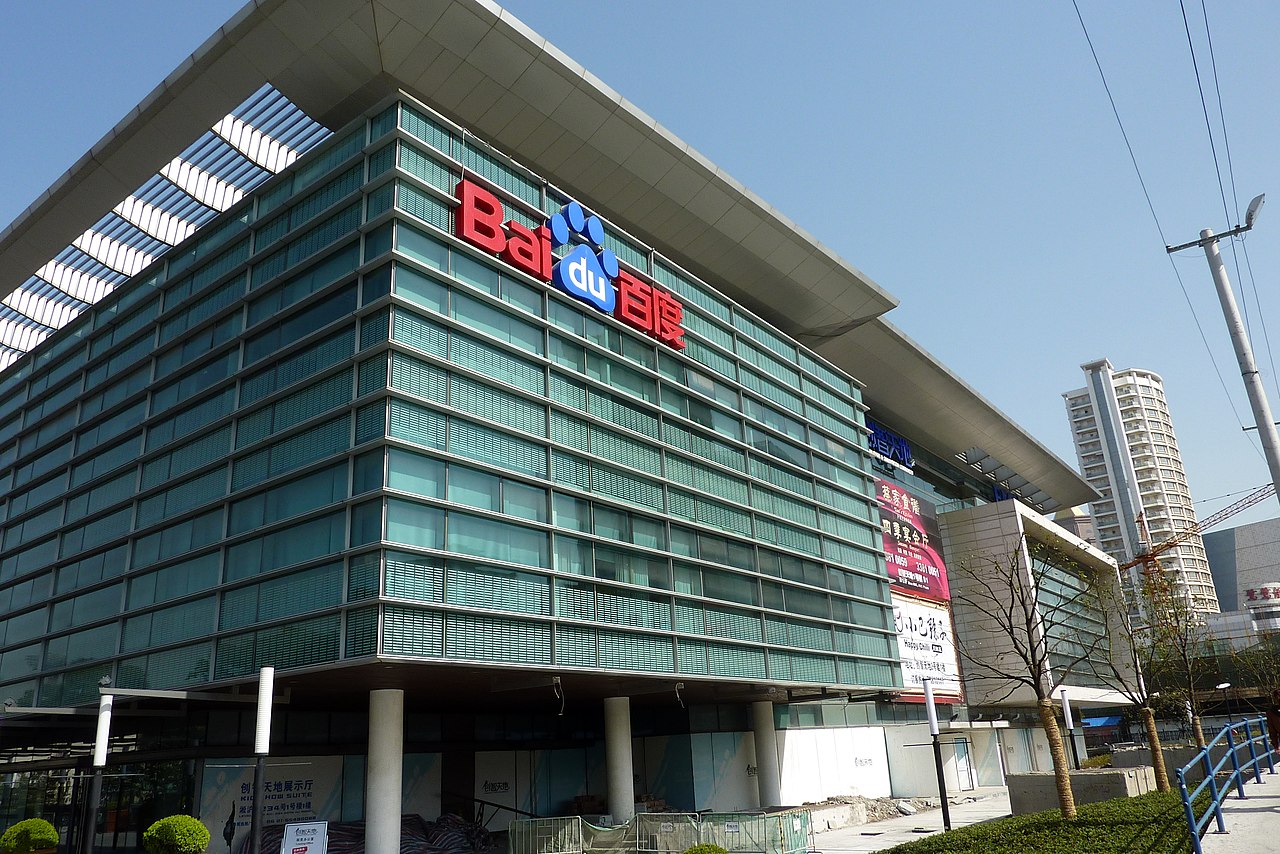
Baidu Inc (NASDAQ: BIDU), China’s largest internet search engine company, announced on Thursday that its board of directors has approved a new share repurchase program of up to $5 billion, running through the end of 2028. Alongside the buyback, Baidu also revealed plans to introduce its first-ever dividend, with an initial payout expected in 2026. The announcement marks a significant shift in the company’s capital return strategy and highlights its confidence in long-term financial stability.
Under the approved plan, Baidu will repurchase its shares on the open market by the end of 2028. The company noted that it retains flexibility to adjust the size, structure, or timing of the buyback program depending on market conditions and corporate needs. Baidu attributed the decision to its substantial cash reserves and disciplined financial management, signaling a strong balance sheet and consistent cash flow generation.
In a separate move, Baidu said its board has formally approved a dividend policy for the first time in the company’s history. While the company confirmed that it expects to declare its inaugural dividend in 2026, it did not disclose the expected payout amount. According to a filing with the Hong Kong Stock Exchange, future dividend distributions will be supported primarily by operating profits, with potential additional funding from non-core asset disposals and investment returns.
Baidu’s core business remains online search and advertising, which continues to be its main revenue driver in China’s highly competitive internet sector. At the same time, the company has been investing aggressively in artificial intelligence, including large language models and AI-powered applications, positioning itself as a key player in China’s AI race. Baidu has also expanded into autonomous driving through its Apollo Go robotaxi platform, which operates in multiple Chinese cities.
The combined share buyback and dividend plan is likely to be viewed positively by investors, as it underscores Baidu’s commitment to enhancing shareholder returns while continuing to invest in future growth areas such as AI and autonomous mobility.







