


 Sony Q3 Profit Jumps on Gaming and Image Sensors, Full-Year Outlook Raised
  Bank of Japan Signals Readiness for Near-Term Rate Hike as Inflation Nears Target
  TSMC Eyes 3nm Chip Production in Japan with $17 Billion Kumamoto Investment
  China Extends Gold Buying Streak as Reserves Surge Despite Volatile Prices
  Prudential Financial Reports Higher Q4 Profit on Strong Underwriting and Investment Gains
  Gold and Silver Prices Slide as Dollar Strength and Easing Tensions Weigh on Metals
  Trump Lifts 25% Tariff on Indian Goods in Strategic U.S.–India Trade and Energy Deal
  Amazon Stock Rebounds After Earnings as $200B Capex Plan Sparks AI Spending Debate
  Singapore Budget 2026 Set for Fiscal Prudence as Growth Remains Resilient
  Japanese Pharmaceutical Stocks Slide as TrumpRx.gov Launch Sparks Market Concerns
  Japan Economy Poised for Q4 2025 Growth as Investment and Consumption Hold Firm
  Global Markets Slide as AI, Crypto, and Precious Metals Face Heightened Volatility
  Nvidia, ByteDance, and the U.S.-China AI Chip Standoff Over H200 Exports
  Asian Stocks Slip as Tech Rout Deepens, Japan Steadies Ahead of Election
  Vietnam’s Trade Surplus With US Jumps as Exports Surge and China Imports Hit Record
  U.S.-India Trade Framework Signals Major Shift in Tariffs, Energy, and Supply Chains
  Russian Stocks End Mixed as MOEX Index Closes Flat Amid Commodity Strength


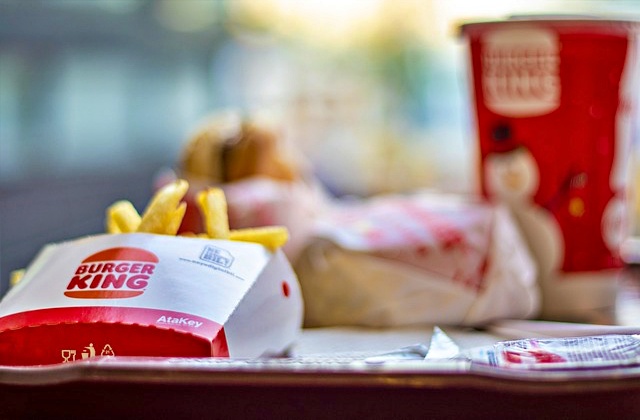
Burger King is reducing the serving portion of some food items, and inflation has been blamed for the move. The fast-food chain’s parent company in the United States, Carrols Restaurant Group Inc., announced the change in portion sizes this week.
After removing Burger King’s famous Whopper burger from its value meal option earlier this month, Carrols said it was also forced to cut the serving size of BK’s chicken nuggets. The restaurant company explained the decision was made due to the increasing cost of beef and wages, as per Bloomberg.
Prices of beef have gone up 33% in the fourth quarter compared to the previous year. This price hike is a big deal for Carrols Restaurant Group, which owns more than 1,000 Burger King stores across the country because this meat makes up 25% of its commodity purchases.
“Domestic food, paper producers and distributors supplying most of our commodities are dealing with labor constraints along with higher fuel costs and are passing these increases on to us,” Dan Accordino, Carrol’s chief executive officer, said during Thursday’s (Feb. 24) earnings call.
The chief added that they believe the cost of labor will also continuously increase throughout the year. Because of this, the company has no choice but to implement price increases for its menu. Accordino said that it is likely that Carrols will hike rates again this year.
Aside from raising menu prices, the company said revealed that it will also reduce the number of chicken nuggets in Burger King meals in an effort to fight inflation. Customers can expect to see their nuggets down to eight pieces from 10.
Labor inflation is another problem that Carrols Restaurant Group is facing as it previously raised the average hourly wages by 14% year-over-year. The wage hike was implemented to maintain the Burger King stores’ open hours from 6 a.m. to 11 p.m. This is also an effort to retain staff as there is also an ongoing labor shortage.
“As you may have recently read, the Burger King brand has about a dozen menu and promotional initiatives, some of which have already been implemented and some that will be implemented over the course of this year,” Market Watch quoted Accordino in another report. “We also intend to continue to move pricing to partially offset inflation to the extent possible without impacting traffic.”













