


 OpenAI Pulls the Plug on Sora, Ending $1 Billion Disney Partnership
  Chinese Universities with PLA Ties Found Purchasing Restricted U.S. AI Chips Through Super Micro Servers
  Nanya Technology Shares Surge 10% After $2.5 Billion Private Placement from Sandisk and Cisco
  Rubio Directs U.S. Diplomats to Use X and Military Psyops to Counter Foreign Propaganda
  Federal Judge Blocks Pentagon's Blacklisting of AI Company Anthropic
  Google's TurboQuant Algorithm Sends Memory Chip Stocks Tumbling
  Meta Ties Executive Pay to Aggressive Stock Price Targets in Major Retention Push
  Elon Musk Ties SpaceX IPO Access to Mandatory Grok AI Subscriptions
  SpaceX IPO Filing Expected This Week as Valuation Could Surpass $75 Billion
  California's AI Executive Order Pushes Responsible Tech Use in State Contracts
  NASA Artemis II: First Crewed Moon Mission Since Apollo Takes Four Astronauts on 10-Day Lunar Journey
  SK Hynix Eyes Up to $14 Billion U.S. IPO to Fund AI Chip Expansion
  Apple Turns 50: From Garage Startup to AI Crossroads
  Microsoft's $10 Billion Japan Investment: AI Infrastructure and Data Sovereignty Push
  SMIC Allegedly Supplies Chipmaking Tools to Iran's Military, U.S. Officials Warn
  Cybersecurity Stocks Tumble After Anthropic's Claude Mythos AI Leak Sparks Market Fears


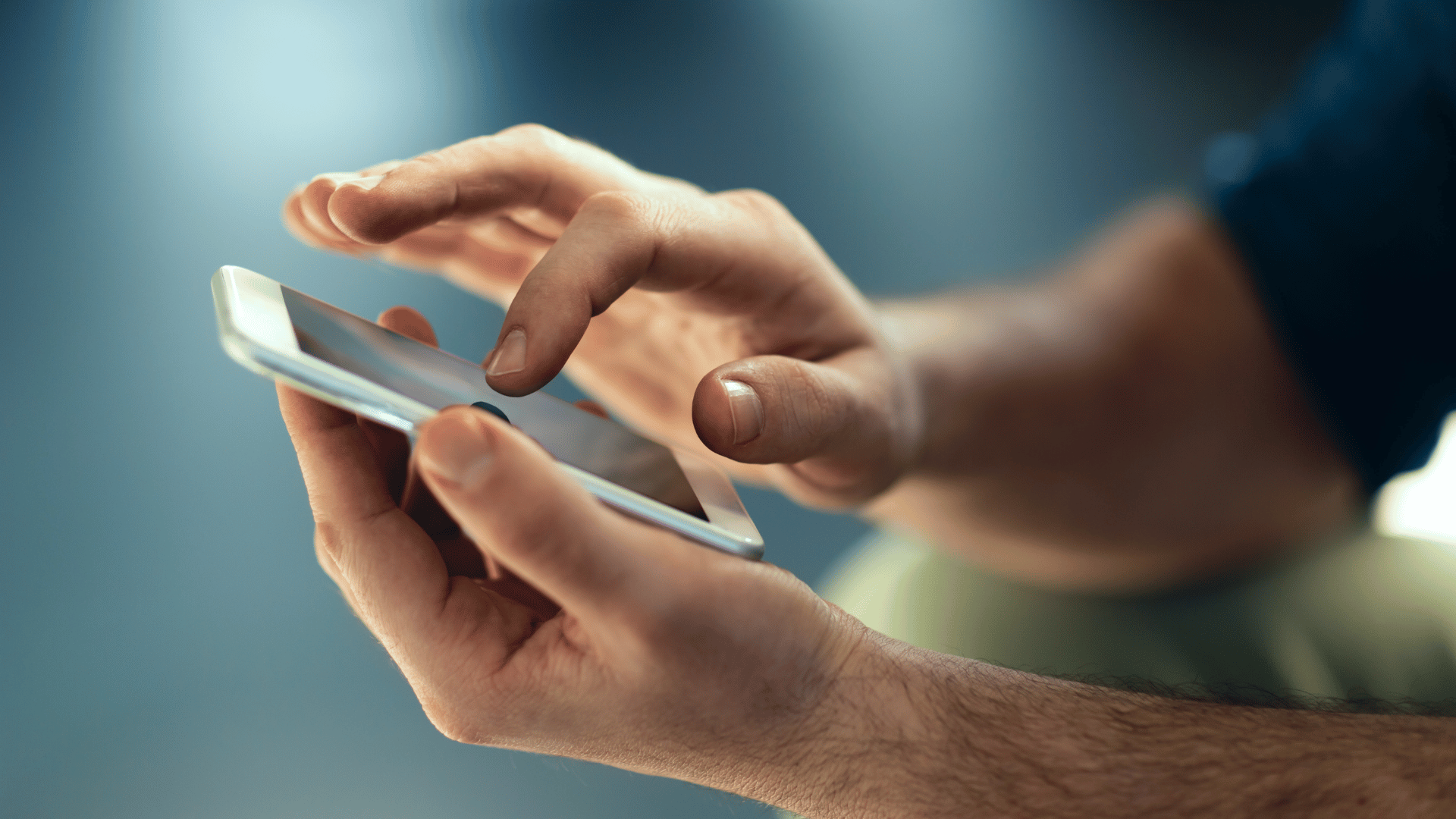
Fairphone, a Dutch social enterprise, has embarked on a groundbreaking journey to address the growing concern of electronic waste by introducing a smartphone that users can repair themselves. This initiative, led by co-founder Bas van Abel, represents a significant shift in the approach to smartphone sustainability.
Bas van Abel demonstrates his company's commitment to reducing e-waste by showing how his smartphone's camera and other components can be easily removed and replaced. The Fairphone touted as "the world's most sustainable smartphone," consists of eight replaceable parts, challenging the conventional design of smartphones.
A New Era of Sustainable Technology
Fairphone, established in Amsterdam in 2013, produces Android smartphones designed for longevity and user repairs. By empowering users to fix their phones, the company aims to significantly decrease the amount of electronic waste generated when devices are discarded after minor malfunctions. This approach sharply contrasts the current trend where broken components often lead to the disposal of entire devices.
The Challenge of Changing Consumer Habits
Cat Drew from the UK's Design Council and Joe Iles from the Ellen MacArthur Foundation emphasize the challenges in altering consumer behavior and the electronics industry's business model. Most smartphones are not designed for easy repairs, and the cost of fixing them often exceeds the price of purchasing new ones.
Recent initiatives by Nokia and Apple to increase repairability reflect a growing trend in the industry. However, Apple's repair scheme has faced criticism for its restrictive nature. The transition to a more circular economy, where products are reused and recycled, requires a fundamental shift in how electronics are marketed and sold.
Fairphone's efforts represent a crucial step towards a more sustainable future in technology, addressing the pressing issue of electronic waste through innovative design and a commitment to ethical practices.







