


 EU Ministers Split as Support Grows for Ban on Trade With Israeli West Bank Settlements
  Trump to Deliver National Address on Declassified 2020 Election Intelligence
  Israel Sets October 27 Election as Netanyahu Faces Tough Political Test
  Trump, Canada Reach Gordie Howe Bridge Deal Ahead of July 27 Opening
  SpaceX’s Starship Completes 11th Test Flight, Paving Way for Moon and Mars Missions
  NASA's Artemis II Mission: First Crewed Lunar Journey Since Apollo
  Iraq PM Visits Washington as U.S. Oil, Gas Deals Take Center Stage
  Trump Administration to Launch Autism Initiatives Targeting Acetaminophen Use and New Treatment Options
  Minnesota Wildfires Spread as Governor Tim Walz Deploys National Guard
  Eli Lilly’s Inluriyo Gains FDA Approval for Advanced Breast Cancer Treatment
  Blue Origin’s New Glenn Achieves Breakthrough Success With First NASA Mission
  UK Sanctions 24 Russian-Linked Targets Over Cyberattacks and Election Interference
  Trump Administration Bars U.S. Travelers From Congo Flights Amid Ebola Outbreak
  Neuralink Plans High-Volume Brain Implant Production and Fully Automated Surgery by 2026
  US-Iran Strikes Escalate as Strait of Hormuz Crisis Pushes Oil Prices Higher
  Cogent Biosciences Soars 120% on Breakthrough Phase 3 Results for Bezuclastinib in GIST Treatment
  Is space worth the cost? Accounting experts say its value can’t be found in spreadsheets


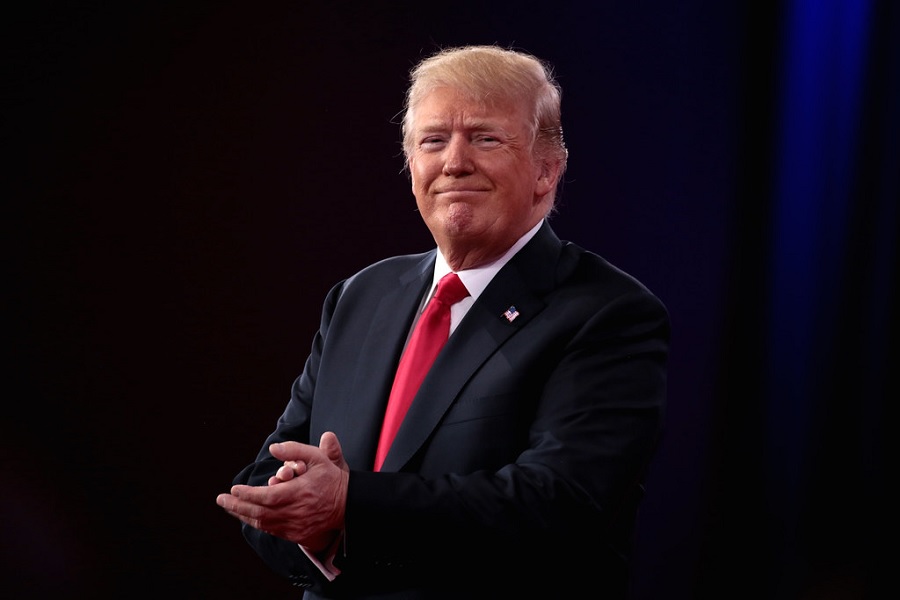
Scientists around the world have reported strides in developing more advanced treatments for cancer while the complete cure is still unavailable. Illnesses like cancer are some of the major concerns for many households, even in the United States. So it is not surprising that it becomes part of some politicians’ campaign promises.
US President Donald Trump held a campaign rally in Cincinnati, Ohio to promote his 2020 campaign for re-election. He reiterated his bold promise of paving the way for cancer cure if he gets to extend his stay at the White House for a second term.
Donald Trump: Promise to cure cancer — where’s the proof?
While speaking to his supporters in Cincinnati last week, Trump said America “will achieve new breakthroughs” in the field of medicine and science. Specifically, he promised to put an end to the HIV/AIDS crisis in America while also telling the crowd he eyes to cure pediatric cancer “very shortly.” Trump made the same statement at an earlier event held in Orlando, Florida to kick off his 2020 campaign last June.
However, in both events, Trump did not mention any particular scientific proof that his promises are attainable soon. He only said about developing cancer cure, “I see what they are doing. I see it. They show me. The things we are doing in our country today. There's never been anything like it.”
Cancer statistics in America
The US National Cancer Institute estimated in 2018 that more than 1.7 million new cases would be diagnosed and up to 600,000 cancer-related deaths were likely to be recorded. The agency also reported that up to 15.5 million patients have possibly survived various types of cancer in 2016, and efforts are underway to bring that number to over 20 million in the next 10 years. Meanwhile, the government also estimated having 15,270 cancer patients ages 0 to 19 in 2017.
Fight with cancer around the world
The lack of a complete cancer cure makes the disease still one of the most fatal illnesses worldwide. While Trump’s campaign promise has yet to be substantiated by scientific data, the United Kingdom might have already seen better progress. Reports have it that lymphoma patients under the National Health Services system who received CAR-T therapy were reportedly cured. This treatment regimen, while already looking promising, still needs to be tested on a larger group of participants.







