


 Elon Musk Ties SpaceX IPO Access to Mandatory Grok AI Subscriptions
  SpaceX Eyes Historic IPO at $1.75 Trillion Valuation
  Reflection AI Eyes $25 Billion Valuation in Massive $2.5 Billion Funding Round
  Britain Courts Anthropic Amid US Defense Department Dispute
  TSMC Japan's Second Fab to Produce 3nm Chips by 2028
  Federal Judge Blocks Pentagon's Blacklisting of AI Company Anthropic
  Nanya Technology Shares Surge 10% After $2.5 Billion Private Placement from Sandisk and Cisco
  SMIC Allegedly Supplies Chipmaking Tools to Iran's Military, U.S. Officials Warn
  Makemation: a Nollywood movie that shows AI in action in Africa
  Meta and Google just lost a landmark social media addiction case. A tech law expert explains the fallout
  China's Push to Steal Taiwan's Chip Technology and Talent Raises Security Alarms
  Samsung Electronics Eyes Record Q1 Profit Amid AI-Driven Chip Boom
  SK Hynix Eyes Up to $14 Billion U.S. IPO to Fund AI Chip Expansion
  Annie Altman Amends Sexual Abuse Lawsuit Against OpenAI CEO Sam Altman
  NASA's Artemis II Crew Arrives in Florida for Historic Moon Mission
  NASA Artemis II: First Crewed Moon Mission Since Apollo Takes Four Astronauts on 10-Day Lunar Journey
  OpenAI Executive Shake-Up Ahead of Anticipated 2026 IPO


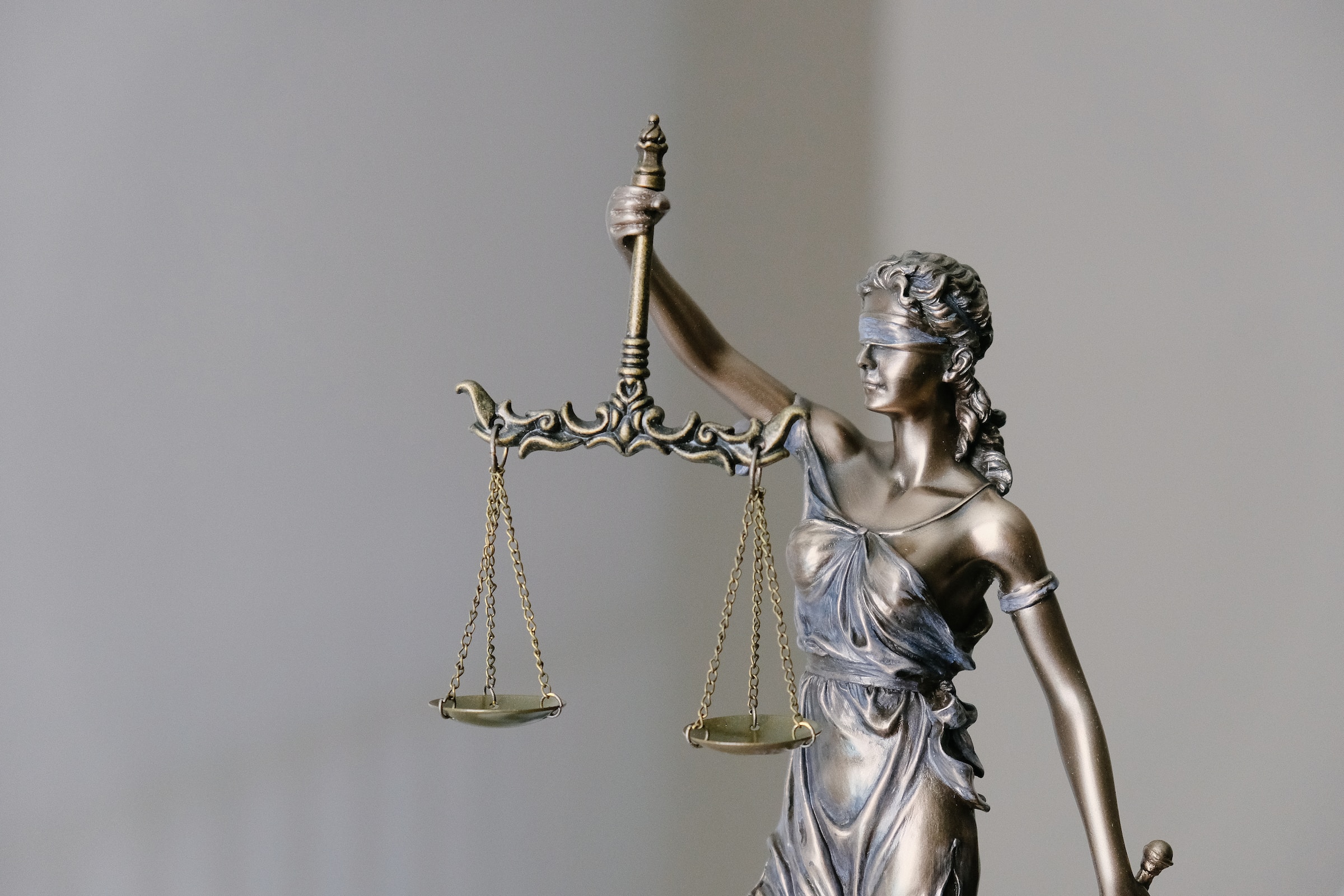
In a year-end report published on Sunday, December 31, US Supreme Court Chief Justice John Roberts expressed a nuanced perspective on the impact of artificial intelligence (AI) in the legal field.
Roberts emphasized the need for "caution and humility" in the face of evolving technology, acknowledging AI's potential to enhance access to justice for indigent litigants, revolutionizing legal research, and expediting case resolution.
AI and Its Transformative Technology
In his 13-page report, Roberts underscored AI's transformative potential while highlighting its limitations.
While AI can make legal processes more efficient and cost-effective, the chief justice cautioned against overlooking privacy concerns and the current technology's inability to replicate human discretion.
Despite recognizing the enduring presence of human judges, Roberts predicted a significant impact of AI on judicial work, particularly at the trial level.
According to Rappler, the chief justice's commentary marks his most significant discussion to date on the influence of AI on the law.
It coincides with ongoing deliberations in lower courts on adapting to a technology capable of passing the bar exam but prone to generating fictitious content, referred to as "hallucinations."
Responsible Usage of Artificial Intelligence
Roberts stressed the necessity for caution in AI usage, citing instances where AI-generated hallucinations led to the citation of non-existent cases in court papers, a practice he deemed "always a bad idea."
According to Law.com, these instances include Michael Cohen, Donald Trump's former lawyer, inadvertently incorporating fake case citations generated by an AI program into an official court filing.
In response to the challenges posed by AI in the legal realm, a federal appeals court in New Orleans proposed a rule aimed at regulating the use of generative AI tools like OpenAI's ChatGPT by lawyers.
The 5th US Circuit Court of Appeals' proposed rule requires lawyers to certify that they either did not rely on AI programs to draft briefs or that humans reviewed the accuracy of any text generated by AI in their court filings.
This move signals an evolving landscape where the legal system grapples with integrating AI while seeking to maintain the integrity of legal processes.







