


 Levi Strauss Raises 2026 Outlook After Q2 Earnings Beat, Shares Drop Despite Strong Results
  Zhipu AI Raises HK$31.37 Billion in Discounted Share Sale to Accelerate AI Growth
  Samsung to Launch First Yongin Chip Plant by 2029 as South Korea Speeds Up Semiconductor Hub
  SK Hynix Shares Drop After Strong Nasdaq Debut Despite $26 Billion ADR Listing
  AstraZeneca Shares Sink After Wainua Trial Misses Key Heart Disease Goal
  Apple Sues OpenAI, Former Employees Over Alleged Trade Secret Theft
  UBS Starts CarTrade Tech With Buy Rating, Sees Strong Earnings Growth and ₹4,000 Target
  Nvidia Invests $500M in Firmus Technologies Ahead of Planned ASX IPO
  Bain Capital Exits Kioxia After AI-Fueled Valuation Surge
  Wolfspeed Sues Navitas Over GaN and SiC Patent Infringement
  Elon Musk Says Anthropic Leads AI Race as Claude Models Challenge OpenAI
  Morgan Stanley Says China’s Reusable Rocket Progress Poses Long-Term Challenge to SpaceX
  Meta Says States Seek $1.4 Trillion in Penalties Over Teen Social Media Addiction Lawsuit
  Nvidia Tightens AI Chip Sales in Asia With Stricter Customer Approval Process
  SK Hynix Soars 13% in Nasdaq Debut After Record $26.5 Billion IPO
  OpenAI Executive Fidji Simo to Step Down Amid Health Challenges Ahead of IPO
  SK Hynix Prices Record U.S. ADR Offering at $149 After $200 Billion Investor Demand


In a Shanghai warehouse, Chinese startup AgiBot is training humanoid robots to perform everyday tasks like folding clothes and making sandwiches. Operating 17 hours a day, the site collects crucial data to enhance the robots' AI capabilities. This effort is part of China’s broader push to become a global leader in humanoid robotics, spurred by economic challenges such as population decline, trade tensions, and slowing growth.
President Xi Jinping’s recent visit to AgiBot highlighted Beijing’s commitment to advancing robotics as a pillar of its next industrial revolution. Backed by over $20 billion in government funding and an additional 1 trillion yuan ($137 billion) AI and robotics fund, the sector is rapidly scaling. Local governments are also contributing, offering subsidies, free workspace, and support for new data collection centers.
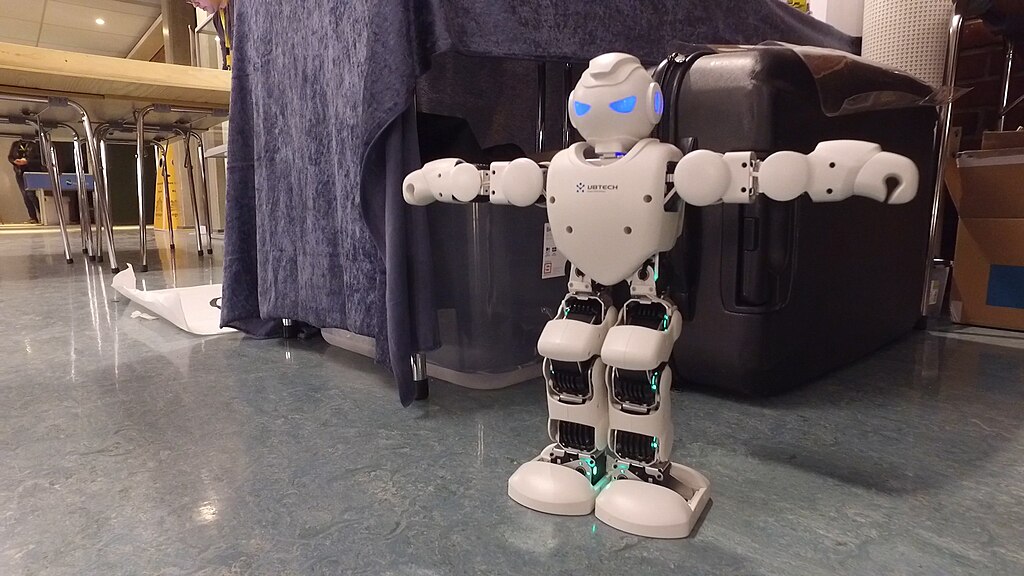
With China capable of producing up to 90% of humanoid robot components, domestic firms like Unitree, MagicLab, and UBTech are entering mass production. Robots are now being tested on factory floors for tasks like quality checks and material handling. The cost of humanoids is expected to fall from $35,000 to $17,000 by 2030, potentially driving mass adoption similar to the electric vehicle boom.
AI firms like DeepSeek, Alibaba’s Qwen, and ByteDance’s Doubao are helping power these robots’ “brains,” enabling real-world applications. While automation raises concerns about job displacement in China’s 123 million-strong manufacturing sector, the government is exploring solutions like AI unemployment insurance. At the same time, humanoid robots are being positioned to address labor shortages in elder care.
As China pushes to dominate humanoid robotics, its integration of data, AI, and supply chain efficiency could redefine global manufacturing and workforce dynamics.







