


 Anthropic Launches Claude Dashboards and Motion AI Tools
  EU Gives Crypto Platforms Three Months to Remove USDT Under MiCA Rules
  TSMC Q3 Revenue Beats Estimates as AI Chip Demand Surges
  Fairshake Backs 32 Pro-Crypto House Candidates
  David Schwartz to Reveal XRP Ledger Future at Ripple Swell 2026
  Apple Names Steve Smith M&A Chief in Leadership Shakeup
  Trump Plans Diesel Tax Relief as Fuel Prices Hit Record Highs
  Trump Orders Firing Squad Execution for Fort Hood Gunman
  Gate Launches Gate Money as Crypto Super App Race Heats Up
  US Government Moves $1 Billion in Bitcoin Amid Sale Speculation
  SEC Investor Reform Validates Barry Silbert’s Tokenization Vision
  UK Warned Over Growing Reliance on US Cloud Providers
  DeepSeek Seeks $12 Billion Funding Round Backed by Tencent, CATL
  Amazon Cuts More Jobs as AI Investment Expands
  US DOT Ends Airline Privacy Review Without Enforcement
  TikTok Accused of Testing Fake Safety Tools on Users


 Add as a preferred source on Google
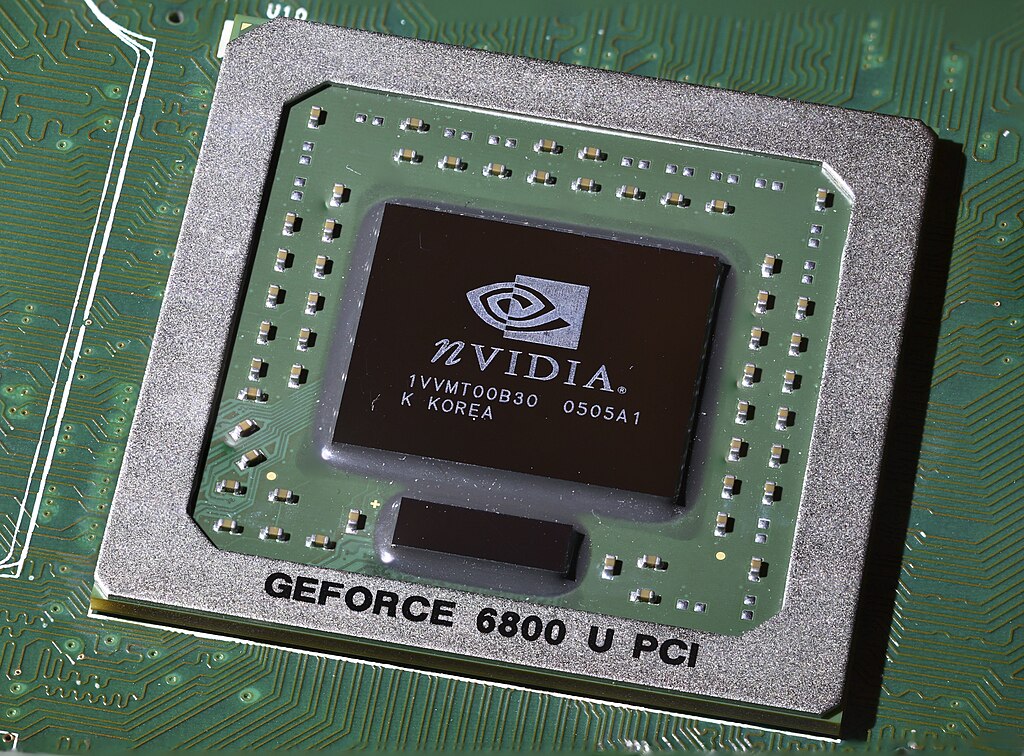
China is preparing new regulatory measures to manage how many advanced artificial intelligence chips domestic companies can purchase from foreign suppliers such as Nvidia, according to a report by Nikkei Asia citing sources familiar with the matter. The move reflects Beijing’s broader strategy to balance strong demand from major technology firms with its long-term goal of strengthening domestic semiconductor capabilities.
Under the proposed framework, Chinese authorities would cap the total volume of high-end foreign AI chips that companies are allowed to buy, rather than imposing an outright ban on such products. This approach signals a more nuanced policy stance, aimed at ensuring continued access to critical computing power while reducing long-term reliance on overseas chipmakers.
The development comes shortly after the United States announced it would allow sales of Nvidia’s advanced H200 AI computing chips to China. These chips are in high demand among leading Chinese technology groups, including Alibaba and ByteDance, as companies race to expand their capabilities in areas such as generative AI, cloud computing, and large language models. Despite growing domestic alternatives, foreign AI chips remain essential for many firms due to their superior performance and mature software ecosystems.
According to the Nikkei Asia report, initial approvals for limited quantities of Nvidia’s H200 chips could be granted as early as the end of this month. Companies seeking approval would need to clearly justify their operational needs, demonstrating how the chips are critical to their business activities. This approval-based system would give regulators greater visibility into how foreign AI chips are being used across the country.
In parallel, Beijing has been holding regular meetings with major technology companies to monitor foreign chip usage and actively encourage the adoption of domestically produced alternatives. These discussions are part of a broader push to support homegrown chipmakers and accelerate China’s self-sufficiency in advanced semiconductor technology.
If implemented, the new rules could reshape China’s AI hardware landscape, influencing procurement strategies for tech giants while underscoring the government’s intent to carefully manage foreign technology dependence without disrupting innovation and growth.







