


 RBI Raises Repo Rate to 5.50% in Hawkish Shift on Inflation Risks
  Indian Stocks Fall as RBI Hikes Rates to 5.50%
  Gold Prices Fall as Fed Signals Another Rate Hike
  Trump Orders Firing Squad Execution for Fort Hood Gunman
  Japan Real Wages Rise 1.5%, Supporting BOJ Rate Hikes
  US Conducts Non-Nuclear Explosion Test to Boost Nuclear Detection
  US Treasury Yields Ease After Strong 10-Year Auction as Global Bonds Struggle
  SEC Investor Reform Validates Barry Silbert’s Tokenization Vision
  Circle Urges EU to Revise MiCA Stablecoin Rules
  Wall Street Falls as Oil Prices Rise and Tech Stocks Slide
  Illinois Delays Crypto Tax Law Until July 2027
  Bangladesh GDP Growth Accelerates to 4.6% on Industrial Rebound
  Kalshi Wins CFTC Approval for S&P 500 Perpetual Futures
  US Government Moves $1 Billion in Bitcoin Amid Sale Speculation
  Iran Refuses to Halt Uranium Enrichment Amid US Nuclear Demands
  US Treasury Drops Crypto Wallet Tracking Plan


 Add as a preferred source on Google
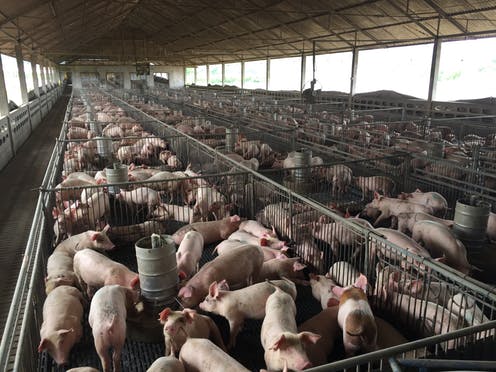
China is tightening regulations on a speculative livestock practice known as "refattening," where small-scale farmers and firms buy adult pigs from large breeders and fatten them further in hopes of rising pork prices. The government aims to stabilize the pork market, reduce price volatility, and curb excessive grain consumption in animal feed.
Refattening involves feeding market-ready pigs for a few more months to gain an extra 40–50 kg. While this bet can increase returns if pork prices rise, analysts warn it can amplify supply swings—leading to sharp price fluctuations and feed inefficiencies. With China pushing to reduce grain use and dependence on imported feed like U.S. soybeans, the practice is increasingly seen as problematic.
Pan Chenjun, a senior animal protein analyst at Rabobank, said the government wants to stabilize pork prices and protect smallholders from heavy losses. Refattening has become especially risky amid China’s ongoing pork oversupply and weak demand, which have pushed cash hog prices down to around 14 yuan per kilogram—significantly lower than the 21 yuan peak in August 2024.
Muyuan Foods, the nation’s largest pig breeder, announced it had stopped selling pigs to refatteners following policy rumors that briefly lifted pig breeding stocks. A crackdown is already in effect, particularly in Guangdong province, according to sources familiar with the matter.
Experts note that pigs over 120 kg become less feed-efficient, consuming more grain while producing diminishing weight gains. A 150-kg pig yields about 142% the meat of a standard 115-kg pig, but at greater feed costs.
With the pork industry facing supply and demand imbalances and feed reform goals, Beijing is determined to rein in refattening to protect long-term market stability.







