


 Apple Sues OpenAI, Former Employees Over Alleged Trade Secret Theft
  Yaskawa Electric Shares Slide as Weak Profit Overshadows Strong AI Demand
  Fortescue Faces Class Action Over Sexual Harassment Claims at Australian Mining Sites
  Goldman AM Sees Strong Buyout Opportunities in Japan, South Korea and Australia
  Morgan Stanley Says China’s Reusable Rocket Progress Poses Long-Term Challenge to SpaceX
  SoftBank Corp Partners With Sierra to Expand AI Customer Support Across Japan
  Elon Musk Says Anthropic Leads AI Race as Claude Models Challenge OpenAI
  DOJ Grand Jury Investigates UAW President Shawn Fain Ahead of Union Election
  Brazil Court Bars Flavio Bolsonaro From Visiting Jair Bolsonaro Ahead of Election
  Sara Duterte Impeachment Trial Opens, Putting 2028 Philippine Election in Focus
  Morgan Stanley Names Marks & Spencer Top European Retail Pick, Sees Strong Upside
  SK Hynix Soars 13% in Nasdaq Debut After Record $26.5 Billion IPO
  Oppenheimer Sees CNH Industrial as Top 2026 Agriculture Stock Pick on Dealer Consolidation Strategy
  OpenAI Executive Fidji Simo to Step Down Amid Health Challenges Ahead of IPO
  DOJ Subpoenas New York Times Journalists Over Air Force One Leak Report
  Bayer Wins Major U.S. Supreme Court Roundup Lawsuit, Shares Surge
  US Judge Seeks Explanation for DOJ’s Decision to Drop Gautam Adani Bribery Case


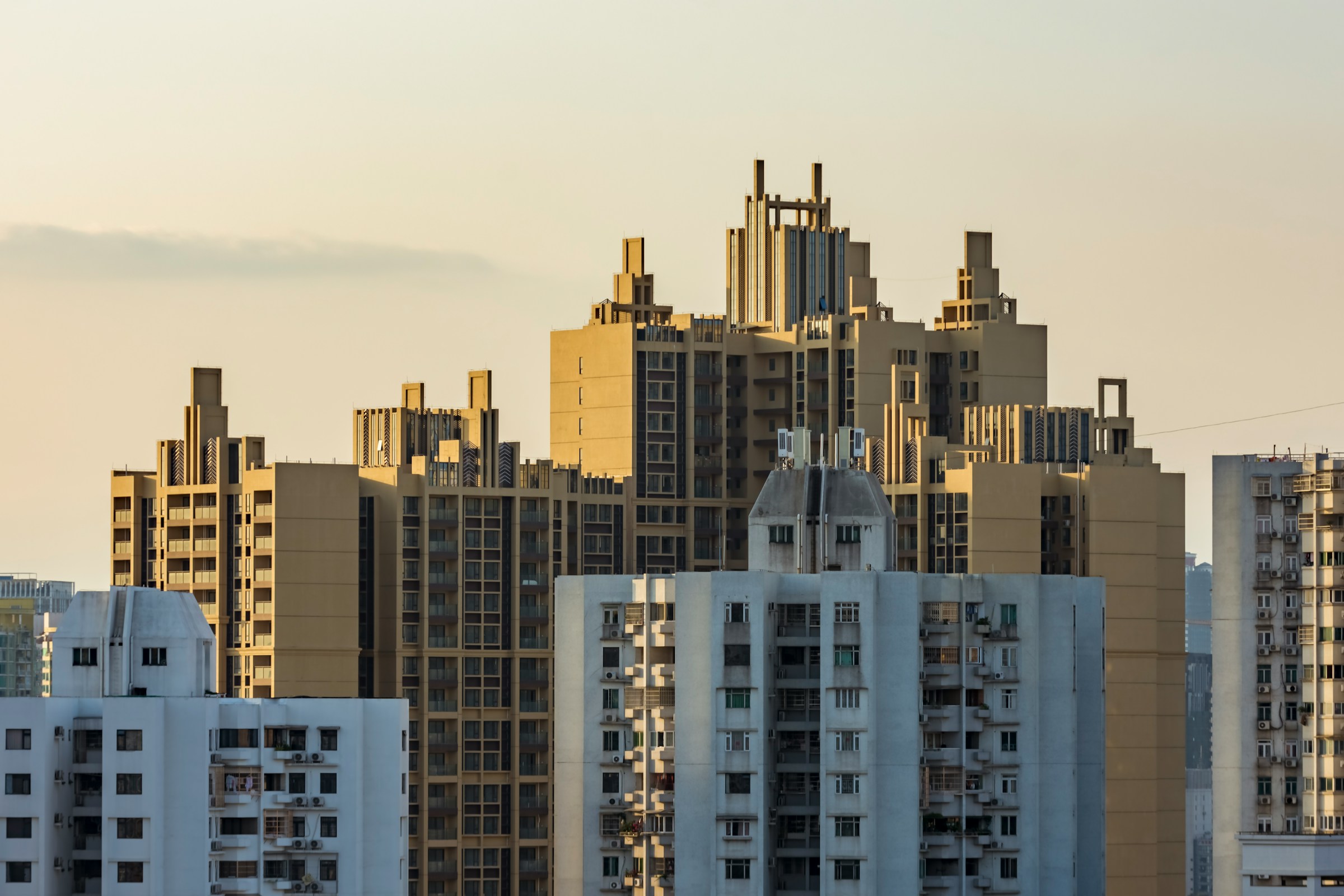
China Evergrande Group is set to appear in a Hong Kong court on Monday for a pivotal hearing that will determine whether the troubled Chinese property developer will be liquidated. As the world's most indebted developer, with over $300 billion in liabilities, Evergrande's financial turmoil has sparked concerns about the stability of the global economy.
A Spiralling Debt Crisis Shakes the Property Sector
Evergrande's default on its debt in 2021 sent shockwaves through the struggling property sector, exacerbating a more significant crisis and leading to a wave of defaults among other companies. Reuters reported that with $240 billion in assets, a decision to liquidate Evergrande could profoundly impact China's capital and property markets, which are already fragile.
The low investor and consumer confidence remain a significant obstacle to China's efforts to revitalize growth.
The liquidation process is expected to be complex due to the involvement of multiple authorities, and potential political considerations may further complicate matters. However, in the short term, the liquidation ruling will unlikely disrupt the company's ongoing operations, including its home construction projects.
This is because the offshore liquidator appointed by the creditors needs time to assume control of subsidiaries across mainland China, which operates under a different jurisdiction from Hong Kong.
Long-Awaited Debt Revamp Plan Derailed
US News noted that Evergrande had been working on a $23 billion debt revamp plan for nearly two years in collaboration with an ad hoc bondholder group. However, the firm's original plan was derailed in late September when its billionaire founder, Hui Ka Yan, came under investigation for suspected crimes.
This setback added to the mounting challenges faced by Evergrande, further eroding investor confidence and hampering attempts to stimulate growth.
The potential liquidation of Evergrande poses financial risks and broader economic implications. A ruling favoring liquidation could fuel market volatility and jeopardize China's fragile economy.
The country's policymakers have been striving to boost growth, but with prevailing low confidence levels, any negative impact on the financial markets will undoubtedly undermine their efforts.
Photo: Scarbor Siu/Unsplash







