


 Iran-Israel War Escalates: Cluster Missiles, Nuclear Fears, and Strait of Hormuz Crisis
  U.S. Futures Slip After Wall Street Rebound as Fed Decision Looms
  Yen Slides Near Two-Year Low as Fed Holds Rates Amid Middle East Tensions
  U.S. Presses South Korea on Strait of Hormuz Naval Support Amid Rising Energy Tensions
  Japan's Parliament Backs Dovish BOJ Board Members, Raising Questions on Rate Hike Path
  Asian Markets Tumble as BOJ Holds Rates, Oil Surges Past $110
  Japan's Major Companies Lead Strong Wage Growth for Fourth Consecutive Year
  Global Central Banks Hold Rates Amid Iran War-Driven Energy Price Surge
  Dollar Steadies as Oil Pullback Lifts Risk Sentiment Before Central Bank Decisions
  U.S. Stock Futures Steady as Markets Await Fed Rate Decision Amid Middle East Tensions
  Iran-Israel War Escalates: Energy Infrastructure Attacks Shake Global Oil Markets
  BOJ Holds Interest Rates Steady Amid Middle East Uncertainty
  S&P Affirms Kuwait's AA- Credit Rating Amid Strait of Hormuz Disruption
  Gold Prices Hold Above $5,000 as Central Bank Meetings and Iran War Stay in Focus
  U.S.-Iran War Escalates as Strait of Hormuz Crisis Threatens Global Oil Supply
  Asian Currencies Rebound as Dollar Weakens, BOJ Holds Rates


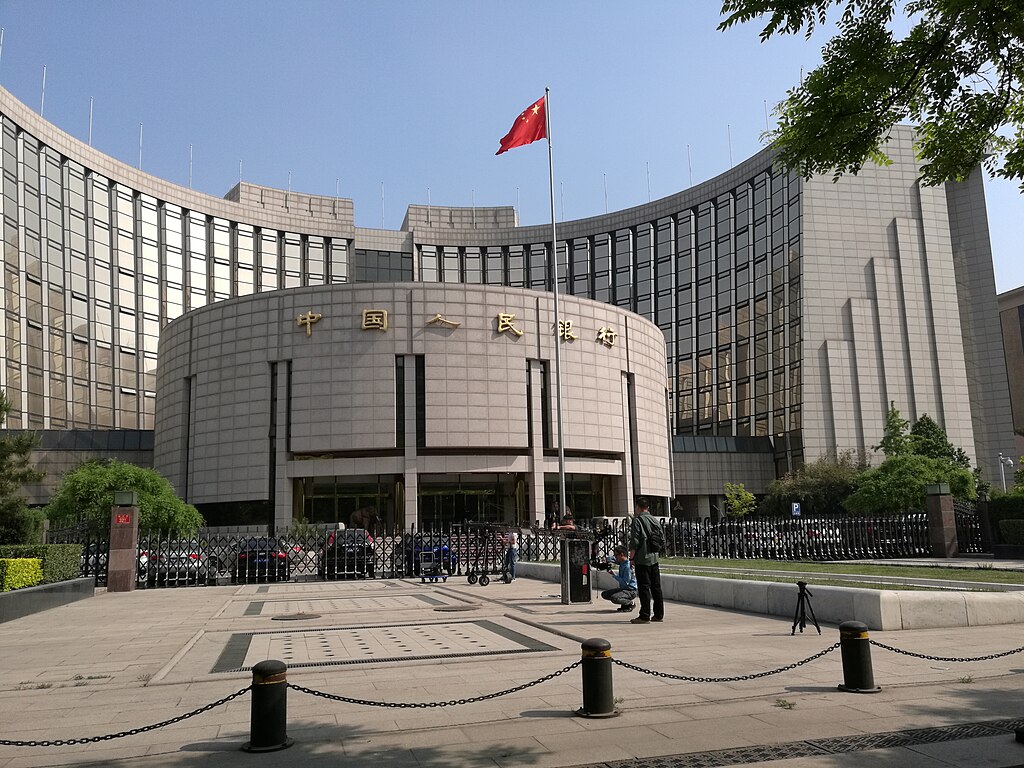
China is widely expected to keep its benchmark lending rates unchanged for the tenth straight month in March, according to a Reuters poll, as soaring global oil prices fueled by escalating Middle East conflict introduce fresh uncertainty into the inflation landscape.
Beijing's 2026 economic growth target of 4.5% to 5% — marginally lower than last year's 5% expansion — combined with stronger-than-expected economic data in early 2026, has lessened the urgency for immediate monetary stimulus, analysts say. All 20 participants in a Reuters survey anticipate the one-year and five-year Loan Prime Rates (LPR) to hold at 3.00% and 3.50%, respectively. The LPR is determined monthly when 20 designated commercial banks submit proposed rates to the People's Bank of China (PBOC).
Global oil prices have surged approximately 50% since the outbreak of the U.S. and Israeli conflict with Iran, sending shockwaves through international financial markets. While Standard Chartered analysts note that a moderate, temporary oil price increase may have limited impact on China's economy, they caution that a deeper escalation — particularly one that restricts key commodity supplies — could disrupt global supply chains and dampen Chinese exports and growth. This risk has led them to push back their forecast for a reserve requirement ratio (RRR) cut to the second quarter and delay an anticipated policy rate reduction to the third quarter.
Not all analysts share the same concern. MUFG China's chief financial market analyst Marco Sun argues that China's sufficient energy reserves provide a strong buffer against external energy shocks, and that the PBOC will continue pursuing an accommodative monetary policy to manage domestic financing pressures.
The rate-hold outlook also aligns with global trends, as the U.S. Federal Reserve and the Bank of Canada both maintained a hawkish stance this week, citing inflation risks driven by rising energy costs from the ongoing Iran conflict.













