


 South Korea’s Weak Won Struggles as Retail Investors Pour Money Into U.S. Stocks
  Trump’s Inflation Claims Clash With Voters’ Cost-of-Living Reality
  Japanese Pharmaceutical Stocks Slide as TrumpRx.gov Launch Sparks Market Concerns
  South Africa Eyes ECB Repo Lines as Inflation Eases and Rate Cuts Loom
  Japan Economy Poised for Q4 2025 Growth as Investment and Consumption Hold Firm
  Gold Prices Slide Below $5,000 as Strong Dollar and Central Bank Outlook Weigh on Metals
  Fed Governor Lisa Cook Warns Inflation Risks Remain as Rates Stay Steady
  Oil Prices Slide on US-Iran Talks, Dollar Strength and Profit-Taking Pressure
  Trump Signs Executive Order Threatening 25% Tariffs on Countries Trading With Iran
  U.S.-India Trade Framework Signals Major Shift in Tariffs, Energy, and Supply Chains
  RBI Holds Repo Rate at 5.25% as India’s Growth Outlook Strengthens After U.S. Trade Deal
  Trump Lifts 25% Tariff on Indian Goods in Strategic U.S.–India Trade and Energy Deal
  Dow Hits 50,000 as U.S. Stocks Stage Strong Rebound Amid AI Volatility
  India–U.S. Interim Trade Pact Cuts Auto Tariffs but Leaves Tesla Out
  Trump Endorses Japan’s Sanae Takaichi Ahead of Crucial Election Amid Market and China Tensions
  Asian Stocks Slip as Tech Rout Deepens, Japan Steadies Ahead of Election
  Global Markets Slide as AI, Crypto, and Precious Metals Face Heightened Volatility


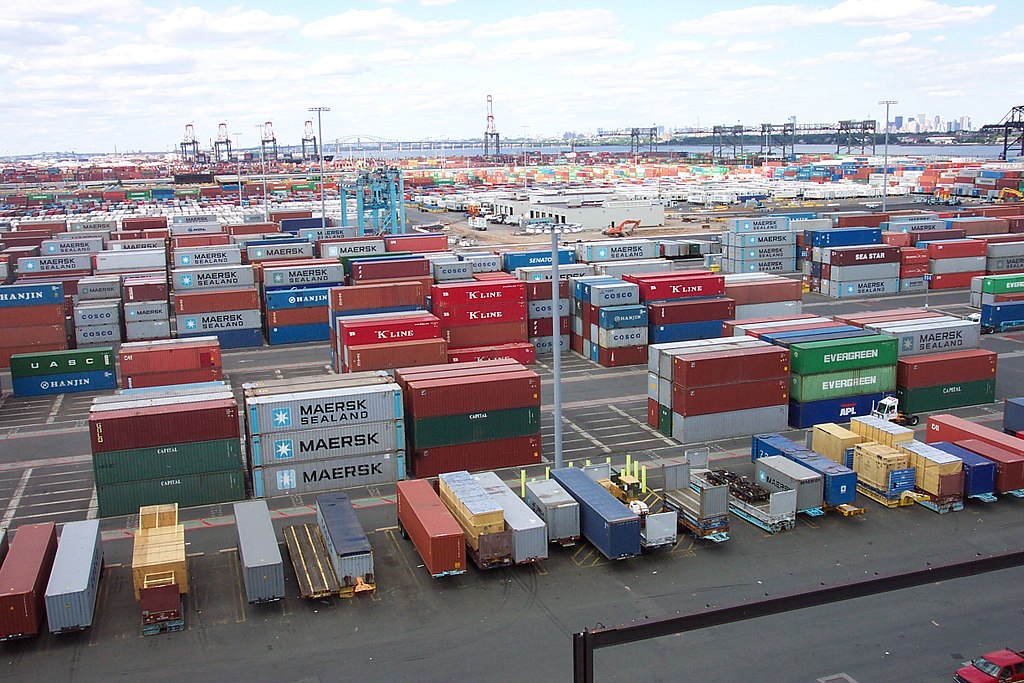
China has announced a new round of tariff adjustments set to take effect next year, signaling continued efforts to support domestic industries, enhance supply chains, and promote economic stability. According to a statement released by the Customs Tariff Commission of the State Council, the changes will include reduced import duties on a range of products, particularly resource-based commodities and critical medical supplies.
Among the notable adjustments, China will lower tariffs on resource-based materials such as recycled black powder, a key input used in the production of lithium-ion batteries. This move is expected to benefit the new energy sector, especially industries linked to electric vehicles, energy storage systems, and battery manufacturing, as the country accelerates its green transition and technological development.
In addition to industrial materials, the tariff reductions will also apply to several medical products. Import duties will be lowered on items such as artificial blood vessels and diagnostic kits for specific infectious diseases. These measures aim to improve access to advanced medical technologies, reduce healthcare costs, and strengthen China’s public health infrastructure amid growing demand for high-quality medical solutions.
The commission stated that provisional import tariff rates for 925 products will be set below the most-favoured-nation (MFN) rates, which are applied to all World Trade Organization member states. By offering lower-than-MFN tariffs, China is seeking to encourage imports of essential goods that support innovation, manufacturing upgrades, and consumer needs.
Analysts view the tariff adjustments as part of China’s broader economic strategy to stabilize trade, optimize its import structure, and foster high-quality growth. The policy is also expected to ease cost pressures on downstream industries and enhance China’s competitiveness in emerging sectors such as clean energy and advanced healthcare.
Overall, the upcoming tariff cuts reflect China’s continued commitment to opening its market, supporting key industries, and aligning trade policies with long-term economic and development goals.













